








As the last whispers of winter begin to fade, a quiet energy stirs within the earth and our spirits. Imbolc rituals invite us to honor this transition—a time when hope flickers like the first candle flame, promising renewal and new beginnings. Rooted deeply in ancient traditions, these sacred ceremonies bridge the cold of winter with the warmth of spring, urging us to reconnect with our inner light and the natural world’s awakening.
What Are Imbolc Rituals?
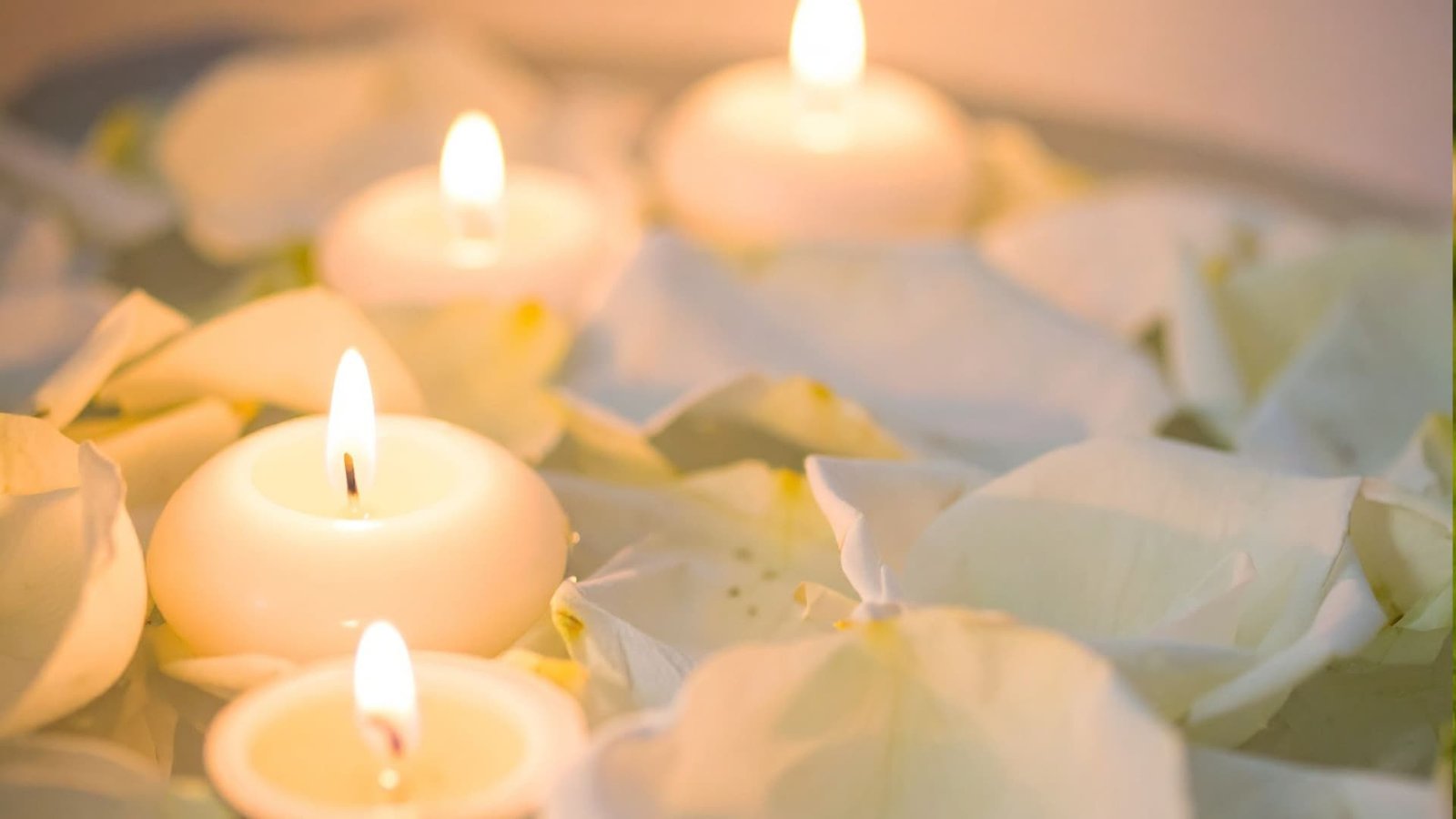
Imbolc rituals are spiritual practices celebrated around February 1st, marking the halfway point between the winter solstice and the spring equinox. Traditionally, they honor Brigid, the Celtic goddess of fertility, healing, and creativity, symbolizing the return of light and life to the world. These rites often include lighting candles, making offerings of milk and seeds, and engaging in reflective moments that encourage personal growth and inner illumination. At their core, Imbolc rituals awaken the dormant energies within us, inviting a fresh start and gentle transformation.
Why Imbolc Rituals Matter
In a world that often rushes forward without pause, Imbolc rituals provide a vital moment to slow down and honor cycles of growth, both external and internal. They remind us that even in the coldest times, life quietly regenerates beneath the surface. Embracing these rituals not only connects you with ancient wisdom but also nurtures your intuition and personal empowerment. Whether you are embarking on a new project, healing from past wounds, or simply seeking deeper clarity, Imbolc serves as a sacred catalyst for renewal.
Simple Imbolc Rituals to Try
Starting with gentle, accessible rituals can bring the spirit of Imbolc alive in your daily routine. Lighting a white candle at dawn symbolizes the returning light, grounding your intentions in clarity and hope. Crafting a Brigid’s cross from rushes or straw is a beautiful way to connect your hands with this ancient tradition, inviting protection and blessings. Journaling about your goals for growth during this emerging season can help you tap into the fertile nature of Imbolc rituals. You might even perform a small offering by placing seeds near your candlelight, a gesture that honors abundance and the magic of potential.
Bringing Imbolc Spirit into Your Life
Infusing your tarot practice with Imbolc rituals is a meaningful way to deepen spiritual insight during this hopeful time. The themes of renewal and awakening beautifully complement the introspective nature of tarot readings. On tarotisto.com, you’ll find resources that help blend these energies, empowering you to use divination as a tool for manifestation and clarity. Remember, Imbolc is not just a date on the calendar—it’s an invitation to honor your cycles, embrace transformation, and step into your fullest, most vibrant self.
As you explore Imbolc rituals this year, let the quiet light within guide your way toward new beginnings. Celebrate the gentle awakening not only of nature but also of your own unique path.
Conclusion
Imbolc rituals offer a powerful opportunity to align with the rhythms of nature and nurture your personal growth. By honoring this sacred time, you invite light, creativity, and healing into your life, setting the stage for the blossoming ahead. Whether you’re new to Imbolc or have long cherished its magic, these practices can inspire transformation and connection on many levels. For those eager to weave tarot and Imbolc energy more deeply into their spiritual journey, tarotisto.com is a wonderful space to explore rituals that resonate with your heart and soul.
FAQ
- What exactly are Imbolc rituals?
Imbolc rituals are spiritual practices celebrated around early February, marking the transition from winter to spring. They usually involve lighting candles, making offerings, and reflecting on renewal, inspired by the Celtic goddess Brigid. - Can Imbolc rituals be adapted for beginners?
Absolutely! Simple actions like lighting a candle, journaling intentions, or crafting a Brigid’s cross are accessible ways to honor Imbolc, even if you’re new to spiritual rituals. - How do Imbolc rituals relate to tarot readings?
Imbolc’s themes of renewal and illumination align perfectly with tarot’s introspective nature, helping deepen clarity and intuition during this sacred season. On tarotisto.com, you can find guidance on integrating both practices. - Why is Imbolc important for personal growth?
Imbolc reminds us to celebrate cycles of growth and transformation, even when change feels slow. It encourages patience, hope, and the nurturing of new possibilities within ourselves. - When is the best time to perform Imbolc rituals?
Traditionally, Imbolc rituals happen around February 1st, but you can adapt them anytime during late winter or early spring to suit your personal rhythm and spiritual practice.