





Tarot cards are much more than just colorful images on paper; they are gateways into vast worlds of symbolism and stories that have fascinated humanity for centuries. One of the most captivating aspects of tarot is how deeply cultural myths are woven into the meanings behind each card. When you explore mythology and tarot you begin to see tarot as a living bridge connecting ancient narratives with your personal journey. These myths enrich tarot’s language, turning every reading into a profound exploration of timeless human experiences.
Understanding the Intersection of Mythology and Tarot
At its core, tarot is a storytelling tool, and cultural myths are its richest sourcebooks. When we discuss mythology and tarot we delve into how the archetypes and tales from those ancient stories shape what each tarot card represents. For example, consider The High Priestess card, which is often linked to intuition and hidden knowledge. Her essence closely mirrors mythic figures like Persephone from Greek mythology, who journeys between realms, symbolizing mystery and transformation.
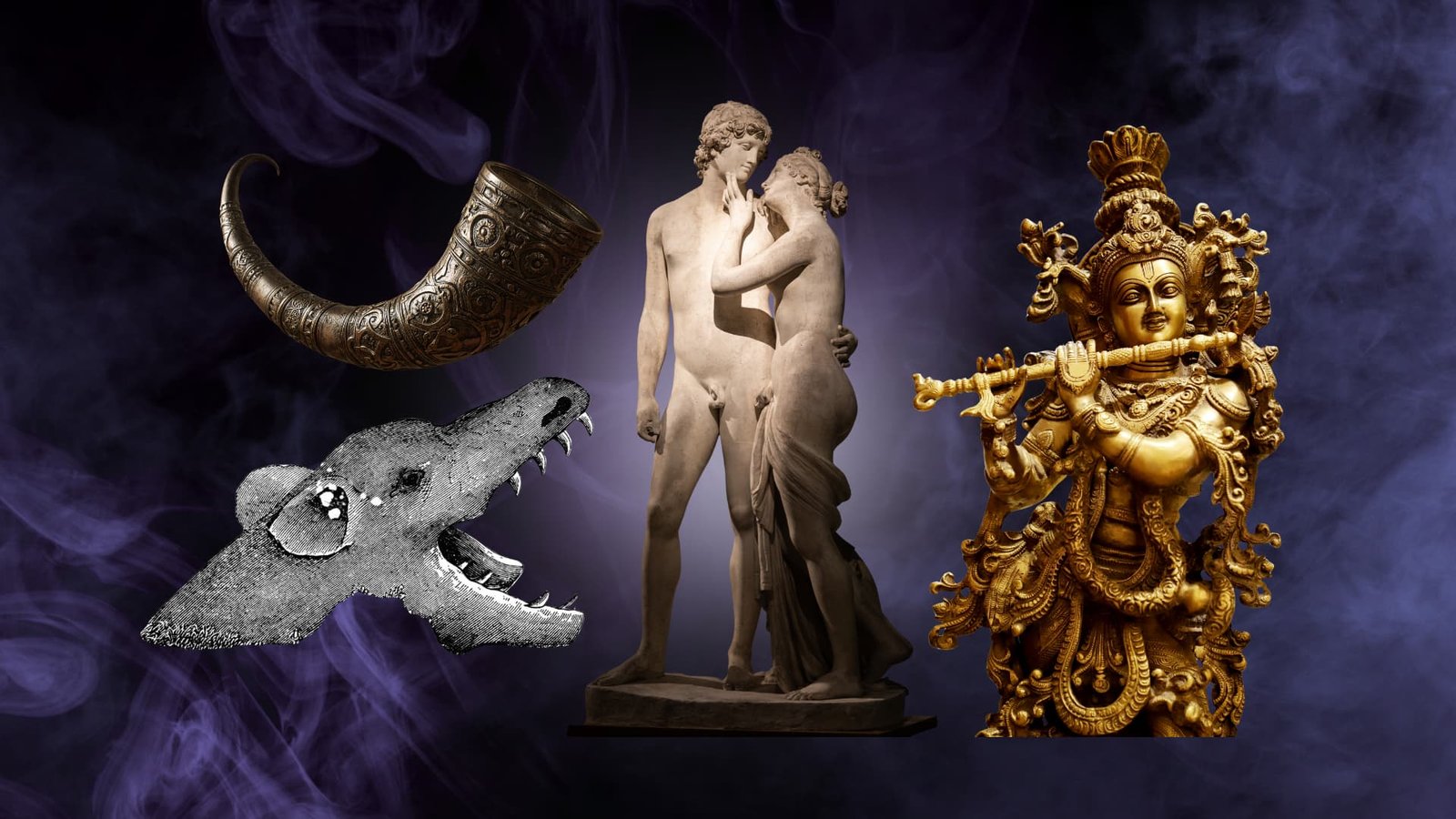
The blending does not stop there. Norse mythology offers tarot readers powerful themes of fate and destiny, embodied by gods like Odin, who sacrificed much for wisdom—echoing the lessons of The Hanged Man or The Fool, who leaps into the unknown. Meanwhile, Hindu mythology introduces radiant symbolism through deities like Shiva and Saraswati, representing destruction and rebirth or divine wisdom, respectively. These narratives imbue the tarot deck with layers of meaning that resonate deeply during readings.
Ancient Myths and the Powerful Symbolism in Tarot
Mythology and tarot is a journey into shared human experiences like love, loss, triumph, and transformation. The Tarot Major Arcana especially pulses with mythic energy. Take The Emperor card: this is not just a ruler but a reflection of Zeus, the mighty Greek god whose authority and protection define the archetype’s meaning of power, structure, and stability.
Similarly, the Wheel of Fortune spins with echoes of Norse cosmic cycles, like the endless fate-woven threads of the Norns who weave destiny. This card reminds us that change is constant and that life’s ups and downs are part of the grand mythic dance—a story humanity has told itself in countless ways across cultures. Viewed through this lens, tarot readings become more than predictions; they transform into meaningful dialogues with universal stories.
Why Cultural Myths Are Vital to Tarot Readings
Understanding mythology and tarot turns tarot from a mere fortune-telling tool into a deeply enriching spiritual practice. Myths function as symbolic languages that tap directly into the unconscious mind, speaking a universal emotional truth that transcends time and place. When these myths are embedded in tarot cards, they give readers access to powerful archetypes that guide insight, healing, and personal growth.
This is why, when you engage with tarot cards through the lens of cultural myths, you often experience a profound emotional connection. The stories behind the cards mirror your own challenges and victories, making the reading not just informative but transformative. It helps illuminate paths in a way that feels both ancient and intimately relevant, anchoring your spiritual journey in the wisdom of civilizations long gone but never forgotten.
Bringing Mythology to Life in Your Tarot Practice
At tarotisto.com, we celebrate the powerful fusion of mythology and tarot and encourage you to explore these beautiful stories within your own readings. Begin your practice by learning a little about the myth behind a card’s symbolism. Let it inspire your intuition as you shuffle and draw. Imagine Persephone’s journey during a reading on The Moon card, or channel Odin’s relentless quest for wisdom when The Hermit appears.
These mythic lenses act like keys unlocking the deeper layers of the tarot’s wisdom. They not only enrich your experience but also make your readings more emotionally resonant and insightful. In doing so, you connect to a timeless spiritual dialogue that women and men, shamans and seekers, artists and mystics have participated in across the ages. Embrace mythology as a loving guide, and your tarot practice will blossom into something extraordinary.
FAQ
- What does it mean that mythology influences tarot card meanings? This means that many tarot cards draw their symbolism and themes from myths and archetypal stories found in different cultures, such as Greek, Norse, or Hindu mythology. These stories add depth and universal emotional resonance to the cards, helping readers connect with timeless human experiences.
- Can learning mythology improve my tarot readings? Absolutely! Understanding the mythological background behind tarot symbols can enrich your intuition and help you interpret cards with more nuance and emotional clarity. Tarotisto.com offers resources that help you explore these connections in an accessible way.
- Are all tarot decks influenced by mythology? Many traditional tarot decks incorporate mythological themes, especially in the Major Arcana. However, some decks focus on different themes or cultural contexts. Learning about mythology and tarot can deepen your appreciation, even for decks that emphasize other symbolisms.
- How can I start exploring mythology within my tarot practice? Begin by choosing a single card and reading about the myths connected to its symbolism. Reflect on how those stories resonate with your own life experiences during readings. Tarotisto.com offers tips and insights to guide you through this exciting journey.
- Is studying mythology and tarot suitable for beginners? Yes! You don’t need to be an expert to start exploring mythology and tarot. Even simple stories can open up new perspectives and make tarot sessions more meaningful and inspiring.