
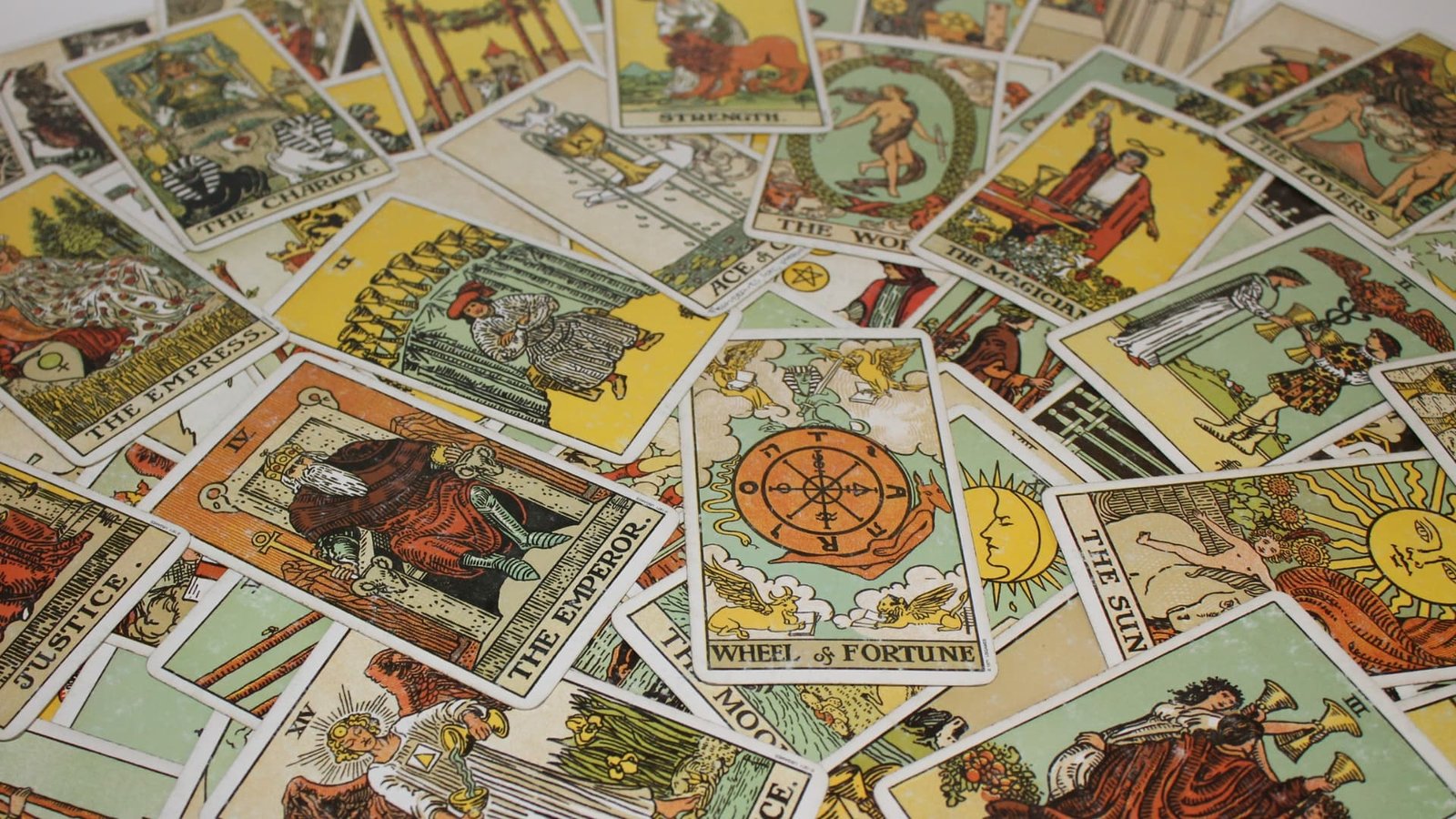








Tarot cards have long fascinated seekers and mystics around the world, not only as tools for divination but also as mirrors reflecting cultural stories, myths, and spiritual beliefs. The Major Arcana, with iconic cards like the Fool, Death, and The Lovers, is especially rich in symbolism that takes on unique hues depending on cultural perspectives. Exploring the cultural interpretations of the Major Arcana — how different cultures assign meanings to the Fool, Death, or The Lovers — invites us into a world where a single image can carry a wealth of diverse emotions, stories, and wisdom that resonate on a profoundly human level.
Understanding the Major Arcana and Culture
The Major Arcana is a deck’s spiritual backbone — twenty-two cards loaded with archetypes that transcend time and geography. While the Fool might universally symbolize beginnings or innocence, and Death often signifies transformation, these meanings are rarely one-size-fits-all. Cultural lenses shape how these cards are perceived and interpreted, weaving ancient myths, local beliefs, and social values into the fabric of their significance. By appreciating cultural interpretations of the Major Arcana — how different cultures assign meanings to the Fool, Death, or The Lovers — we deepen not only our knowledge of tarot but also discover how human experience itself is richly varied and beautifully interconnected.
The Fool Across Cultures
In Western tarot, the Fool is commonly seen as the archetype of new beginnings — innocent, carefree, often blissfully unaware of the cliffs ahead. However, if we venture into cultures such as those in East Asia, the Fool may echo the figure of the trickster or the spiritual seeker, embodying wisdom through naivety or a willingness to walk uncharted paths. In Native American traditions, the “foolish” journeyer may represent a young warrior’s rite of passage, symbolizing courage in stepping into the unknown. Here, the Fool is less about folly and more about trust in the path—an inspiration to embrace life’s uncertainties with open-heartedness. When tarot enthusiasts at tarotisto.com explore the Fool through these different perspectives, it becomes clear how a single card can hold multitudes of meaning, each inviting reflection on one’s personal journey in fresh, hopeful ways.
Embracing Death from Varied Perspectives
The Death card in tarot often strikes fear in many hearts, but cultural interpretations reveal a much softer, even celebratory side to this potent symbol. In Mexican culture, for example, Día de los Muertos (Day of the Dead) honors the cyclical nature of life and death with vibrant colors and festivities, viewing death as a natural transition rather than an ending. In this light, the Death card signals transformation and renewal, a passage that carries the promise of new life beyond endings. In contrast, some Eastern philosophies like Buddhism see death as liberation from suffering—an essential step in the cycle of rebirth that encourages detachment and spiritual enlightenment. Recognizing these varied cultural interpretations of the Major Arcana — how different cultures assign meanings to the Fool, Death, or The Lovers — opens a more expansive and comforting spiritual map, inviting us to see death not as a final goodbye but as part of a great mystery worthy of reverence.
The Lovers’ Symbolism Around the World
When we think of The Lovers card, Western interpretations often focus on romantic love or choice, with imagery emphasizing union and harmony. In Indian spirituality, however, the concept of divine love extends this symbolism beyond human connection to cosmic union—the merging of masculine and feminine energies or the soul’s union with the divine. Similarly, in African traditions, partnership can be viewed through the lens of community and collective strength, where love transcends individual romance to embody bonds forged through shared purpose and ancestral ties. These cultural nuances enrich our understanding of The Lovers, inviting a more holistic appreciation of connection, choice, and balance. For tarot readers and seekers using tarotisto.com, embracing these diverse interpretations enhances the depth of readings, making every encounter with The Lovers card a moment to honor love in its many forms.
Conclusion
The cultural interpretations of the Major Arcana — how different cultures assign meanings to the Fool, Death, or The Lovers — reveal the Tarot as a living tapestry of human experience. Every card tells many stories, bridging time, geography, and belief systems to offer spiritual insight that is both personal and universal. When you explore tarot through this multicultural lens, you’re not just uncovering card meanings—you’re connecting with a rich heritage of collective wisdom that inspires courage, healing, and transformation. Whether you’re a seasoned tarot reader or a curious soul, diving into these perspectives can open new dimensions in your practice and in your life. Ready to explore more? Visit tarotisto.com to discover tools, guides, and readings that will support your journey into the heart of tarot’s global story.
FAQ
- What does the Fool card represent in different cultures?
The Fool often symbolizes new beginnings, innocence, or transformative journeys. However, some cultures interpret it as a wise trickster or a rite of passage, emphasizing trust and courage in facing the unknown. - Is the Death card always a bad omen?
Not at all. While it can symbolize an end, most cultures view the Death card as a symbol of transformation, renewal, and spiritual transition—often seen as a natural and necessary part of life’s cycles. - How does The Lovers card vary in meaning across cultures?
The Lovers can represent romantic love, union, and choice, but in different cultures, it may also signify divine cosmic union or deep communal bonds beyond romance. - Why is understanding cultural interpretations important in tarot reading?
Understanding these interpretations enriches tarot readings by adding depth, empathy, and a broader spiritual perspective, helping seekers connect more deeply with the cards’ messages. - Where can I learn more about tarot and its cultural meanings?
You can explore a wealth of resources, guides, and expert insights on cultural interpretations of the Major Arcana at tarotisto.com, designed to support your journey with clarity and inspiration.