






Tarot has long served as a bridge between the seen and unseen, weaving together symbols, stories, and intuition in a dance that transcends time and culture. Whether you are drawn to the echoes of age-old traditions or the vibrant pulse of modern interpretations, exploring the dynamic between modern and traditional tarot practices across cultures invites a rich, heartfelt journey into spirituality and self-discovery.
Understanding Traditional Tarot Practices
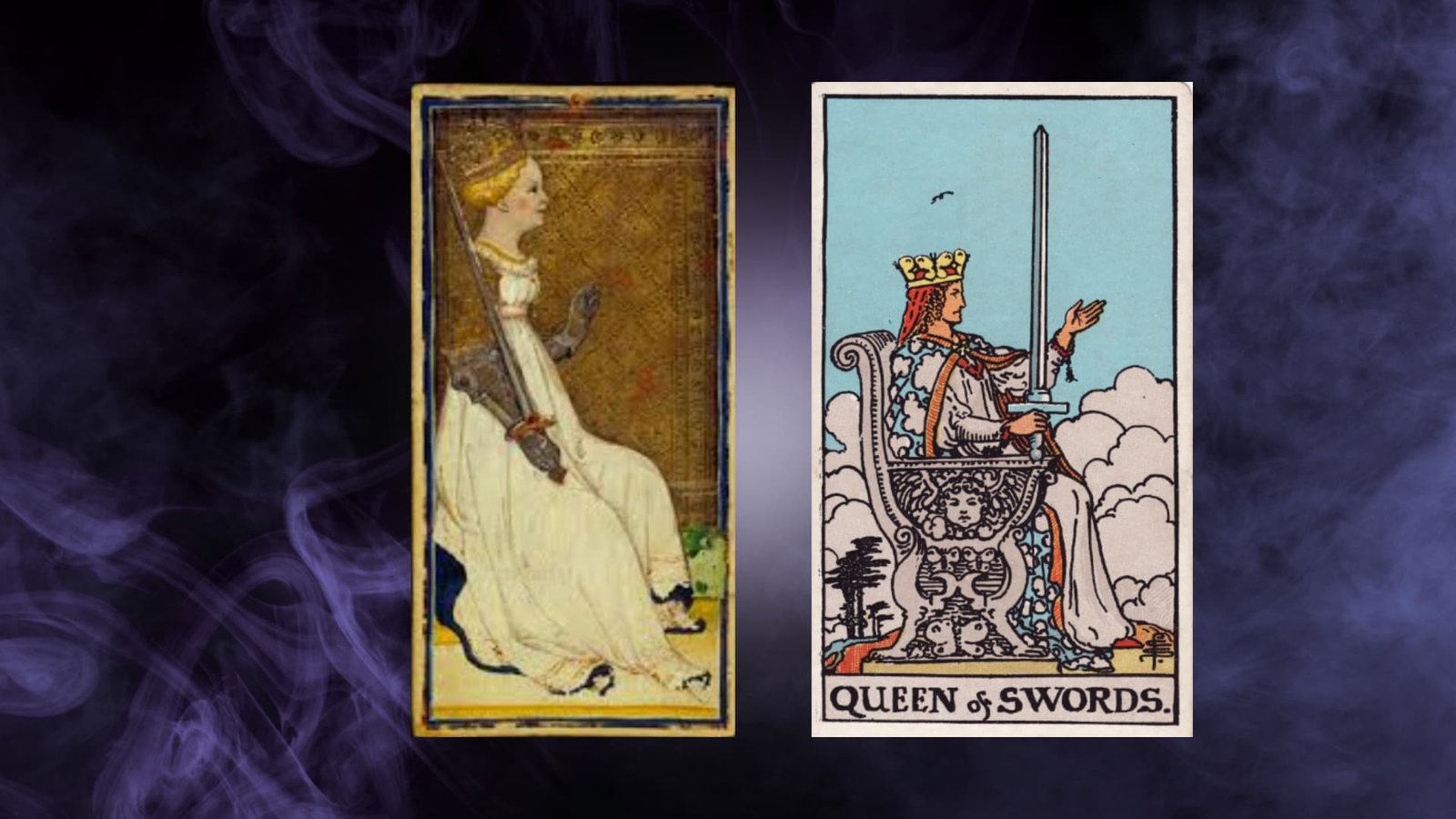
Traditional tarot practices have roots stretching back centuries, often connected to European mysticism, Renaissance symbolism, and esoteric philosophies. These practices typically emphasize the classical tarot decks—such as the Rider-Waite-Smith or Marseille decks—where cards embody defined archetypes and meanings passed down through generations. In many cultures, tarot served as a spiritual tool, a shamanic aid, or a ritualistic instrument for divine guidance. Readings often take place in quiet, sacred spaces where the connection between reader and querent focuses on guidance shaped by the collective unconscious and universal symbols.
The Rise of Modern Tarot
In contrast, modern tarot practices embrace flexibility, inclusivity, and personal expression. Contemporary decks now incorporate diverse themes—from pop culture to social justice—allowing readers to connect tarot with their unique life stories and identities. Modern tarot often integrates psychology, self-help, and the creative arts, transforming readings into a collaborative exploration of the soul rather than rigid fortune-telling rituals. With the digital age, tarot has also flourished online, fostering communities where readers share interpretations and inspire one another, creating a fresh tapestry of meaning that honors individual experience.
How Culture Shapes Tarot Readings
Across the globe, tarot practices are infused with cultural nuances that shape how decks are created, interpreted, and used. In Latin America, tarot blends with indigenous spirituality and Catholic symbolism, offering healing reflections tied to ancestral wisdom. Asian interpretations might infuse tarot with elements of Eastern philosophy or energy work, tailoring readings to resonate with holistic life balance. Even within Western countries, immigrant communities often craft hybrid tarot forms, merging traditional iconography with personal cultural motifs. This rich cultural interplay makes the conversation around modern and traditional tarot practices especially vibrant and continually evolving.
Why Exploring These Practices Matters
Diving into the distinctions and overlaps between modern and traditional tarot practices across cultures opens more than intellectual curiosity—it nurtures empathy, connection, and spiritual growth. By appreciating tarot’s multifaceted history and present-day innovations, readers can deepen their respect for the art and discover new avenues for personal insight. This understanding can also guide you in finding a style or deck that truly resonates, whether you seek the comfort of ancient wisdom or the empowerment of modern reinterpretation. At tarotisto.com, we celebrate this diversity, encouraging every seeker to find their own sacred path through tarot’s timeless mirror.
Conclusion
The dance between modern and traditional tarot is not one of conflict but of harmony—a beautiful interplay where history meets innovation, and personal experience weaves with cultural heritage. Embracing both sides allows us to see tarot as a living, breathing practice that adapts to our evolving needs while honoring the wisdom of the past. Whether you are just starting your tarot journey or are a seasoned reader, exploring these diverse practices enriches your spiritual toolkit and invites transformative growth. To dive deeper into this fascinating world, visit tarotisto.com, where tradition and modernity come together to inspire and uplift every curious soul.
FAQ
- What is the main difference between modern and traditional tarot practices?
Traditional tarot focuses on established decks and symbolic meanings rooted in history, while modern tarot encourages personal interpretation, diversity in decks, and a more flexible, creative approach to readings. - Can tarot practices from different cultures be combined?
Absolutely. Many tarot readers blend symbols, rituals, and philosophies from multiple cultures, creating personalized reading styles that honor diverse spiritual backgrounds. - How does cultural context influence tarot interpretations?
Cultural context shapes the imagery, symbolism, and spiritual meanings attributed to tarot cards, resulting in unique interpretations that resonate with the values and beliefs of a given community. - Is modern tarot less spiritual than traditional tarot?
Not at all. Modern tarot remains deeply spiritual; it simply expands the ways spiritual connection can be accessed, often emphasizing self-reflection and growth alongside mystical insights. - Where can I explore different tarot practices and decks?
Websites like tarotisto.com offer a curated space to discover and learn about a wide range of tarot decks and practices, bridging traditional roots with modern innovations.