





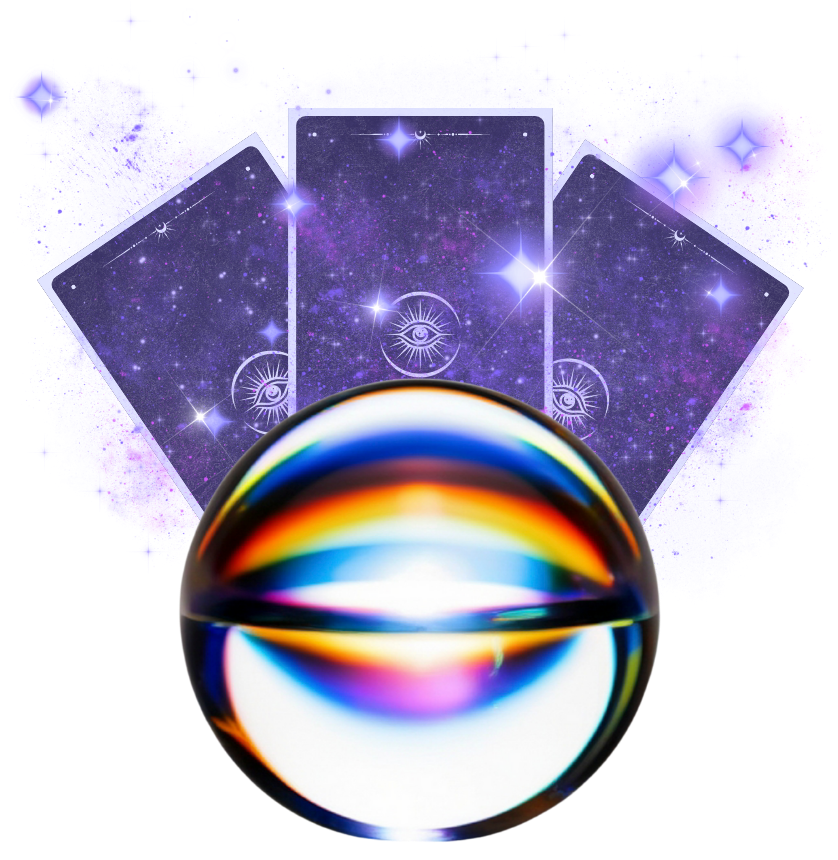





There’s something magical about shuffling a deck of cards—the crisp flick between fingers and the anticipation of what the draw might reveal. While many today associate tarot cards with mysticism, fortune-telling, and introspection, it might surprise you that tarot as a card game (Tarocchi, Trionfi) actually has its roots firmly embedded in lively social gatherings across Renaissance Europe. Before the cards became tools for divination, they were designed for playing—full of strategy, competition, and delight. Exploring this rich history offers a chance to reconnect with the joyful and playful spirit of tarot, often overlooked in modern tarot culture.
Table of contents
The Origin Story of Tarot Cards
Tarot cards emerged in Italy during the 15th century, initially known as “Trionfi,” meaning “triumphs” or “victories.” These decks were unlike standard playing cards, featuring a unique set of trump cards adorned with impressive allegorical images—from The Fool to The World. They captured the interest of nobles and commoners alike as a fun and sophisticated pastime that also acted as a canvas for artistic expression.
Historians identify these decks as the foundation of what later became known as tarot, both as a game and a spiritual tool. The fact that tarot cards originated from a social card game rather than mysticism challenges many assumptions and invites us to broaden our understanding of tarot’s cultural and emotional richness.
Understanding Tarot as a Card Game (Tarocchi, Trionfi)
Playing tarot as a card game entailed more than just luck—it required skill, strategy, and an understanding of the unique hierarchy within the deck. Known as Tarocchi or Trionfi, the game used the trump cards (the Major Arcana in modern parlance) as powerful cards that could capture cards of lesser rank. The structure of the game varied by region but commonly combined elements of trick-taking games with a narrative element brought by the artistic trumps.
Unlike modern card games, tarot’s imagery wasn’t merely decorative; it formed an integral part of the experience, helping players remember rules and creating shared stories around the table. The fusion of gameplay and symbolism made each session both intellectually stimulating and emotionally engaging.
Why the Game Form of Tarot Matters
Understanding tarot as a card game (Tarocchi, Trionfi) reconnects us with tarot’s playful soul—a reminder that tarot isn’t solely about divination or fate but about human connection, creativity, and joyful interaction. This perspective helps reframe tarot as a multi-dimensional tool of entertainment, art, and community bonding throughout centuries.
Moreover, appreciating this game heritage expands our spiritual relationship with the cards. When you know the game behind the imagery, your reading becomes richer, and the cards feel more alive—echoing both ancient tradition and the cheerful spirit of past players who laughed, strategized, and celebrated life through these cards.
Bringing the Tradition Alive
Today, deck collectors, historians, and tarot enthusiasts alike are rediscovering the joy of playing tarot as a card game (Tarocchi, Trionfi). Many modern groups organize social tarot game nights to experience firsthand the challenge and delight the game offers. This revival is more than nostalgia—it’s a reclaiming of tarot’s roots, blending fun and meaning into a hands-on way to connect with tarot culture.
If you’re curious to dive deeper into the origins and uses of tarot, tarotisto.com invites you to explore resources that celebrate both the mystical and playful aspects of tarot. Embracing tarot’s game heritage refreshes our bond with these cards and reminds us that every shuffle carries a story waiting to unfold.
FAQ
- What is the difference between tarot as a game and tarot for divination?
Tarot as a card game (Tarocchi, Trionfi) originated as a strategic trick-taking game in Renaissance Europe, focused on gameplay and social interaction. Tarot for divination uses the cards symbolically to explore spiritual and psychological insights. Both share the same deck but serve different purposes.
- Can I play the tarot card game today?
Absolutely! Variations of the original tarot game are still played in parts of Europe, and many people are reintroducing it worldwide. Learning and playing tarot as a card game is a fun way to connect with the cards’ history and community.
- Why are the trump cards called “Trionfi”?
The term “Trionfi” translates to “triumphs” or “victories” in Italian, reflecting the trump cards’ special power to win over other cards. This name highlights how these cards were the game’s highlight and key to winning tricks.
- Does knowing the card game change how I use tarot for readings?
Understanding tarot as a card game (Tarocchi, Trionfi) can deepen your appreciation of the cards’ symbolism and structure. It offers a fresh lens through which to interpret meanings, enriching both your readings and your connection to the deck.
- Where can I learn more about tarot’s history and gaming tradition?
tarotisto.com is a wonderful resource dedicated to exploring tarot’s rich culture, history, and uses. Here you can dive into articles, guides, and community insights that celebrate both tarot’s mystical and playful roots.