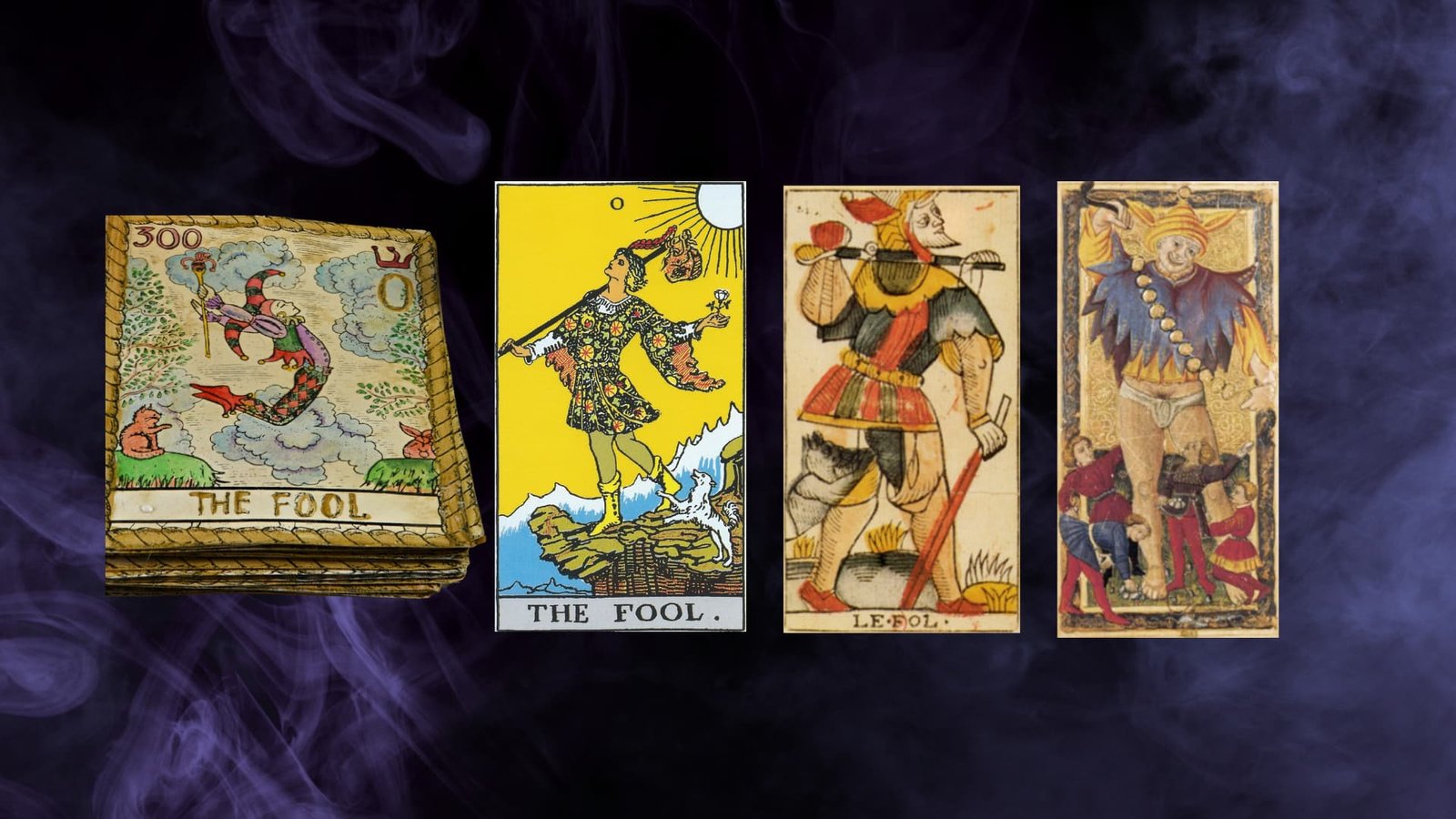
The Fool is one of the most captivating and enigmatic figures in the tarot deck, embodying the spirit of new beginnings, spontaneity, and boundless potential. When explored through a cultural lens, the depiction of The Fool varies remarkably, revealing rich layers of symbolism, belief, and artistic interpretation. Understanding these cultural differences not only broadens our appreciation of tarot but also deepens our connection to the universal journey of the human spirit.
What is The Fool in Tarot?
At its core, The Fool card symbolizes the start of an adventure—unburdened, innocent, and filled with hope. Traditionally numbered zero, The Fool is a blank slate, embodying the carefree wanderer on the path of life who embraces the unknown with trust. This archetype encourages us to leap into new experiences without fear, trust intuition over logic, and see the world through fresh eyes. But what exactly does this figure mean across different traditions?
Cultural Differences in Depicting The Fool
The portrayal of The Fool varies widely depending on cultural origins, historical context, and artistic style. For instance, in the classic Rider-Waite deck, The Fool is a young traveler joyfully stepping off a cliff—a metaphor for innocent trust and adventure. European decks often depict The Fool as a jester or a vagabond, a figure associated with both folly and divine wisdom.
In contrast, some Asian tarot decks reinterpret The Fool through philosophical and spiritual lenses unique to their traditions. For example, Japanese-inspired decks might emphasize The Fool’s connection to the wandering monk archetype, highlighting mindfulness and spiritual purity rather than carefree foolishness. Similarly, decks influenced by Indigenous cultures can portray The Fool as a trickster figure, embodying both creation and chaos—a reflection of the culture’s deep respect for balance and duality.
Even the colors, animals, and objects accompanying The Fool reflect cultural symbolism: while a European Fool might carry a white rose symbolizing purity, other decks might show The Fool with animals significant in their folklore, such as the sacred dog, monkey, or mythical creatures. These subtle yet meaningful variations highlight the richness of cultural storytelling and spirituality imbued in tarot.
Why Do Cultures Depict The Fool Differently?
The cultural differences in depicting The Fool reveal how diverse societies process the ideas of innocence, risk, and transformation. Each culture’s worldview shapes how new beginnings and naiveté are perceived—whether as bravery, a playful flirtation with destiny, or a sacred rite of passage. This is why exploring these variations is so enriching: it allows us to see The Fool as a mirror reflecting our own beliefs, fears, and hopes.
By understanding how various cultures interpret The Fool, we gain insight into humanity’s shared journey through uncertainty toward growth. It’s a beautiful reminder that while our symbols may differ, the essence of seeking freedom, wisdom, and self-discovery remains universally human. Tarot enthusiasts on tarotisto.com often find that experiencing these cultural nuances adds fresh inspiration to their readings and personal practices.
Embracing The Fool in Your Spiritual Journey
When you recognize the cultural differences in depicting The Fool, you open yourself to a more inclusive and richer spiritual dialogue. The Fool reminds us that life’s mysteries are meant to be explored with curiosity and courage, regardless of where or how the journey begins. Embracing this card’s diverse interpretations nurtures an open heart and mind—qualities essential for transformation and growth.
Whether you feel drawn to the European jester, the Eastern monk, or the Indigenous trickster, The Fool invites you to step off the familiar path and trust in the unfolding adventure ahead. For those interested in deepening their tarot knowledge and embracing the vibrant cultural tapestry of its cards, tarotisto.com is a wonderful place to explore, learn, and grow alongside a supportive community.
FAQ
- What does The Fool card generally represent in tarot?
The Fool represents new beginnings, innocence, spontaneity, and a leap of faith into the unknown. It encourages embracing adventure with an open heart and trusting life’s journey. - How do cultural differences affect the interpretation of The Fool?
Cultural context influences the imagery, symbolism, and underlying message of The Fool. Different cultures highlight aspects like innocence, wisdom, trickery, or spiritual purity, leading to varied yet complementary meanings. - Can understanding these differences improve my tarot readings?
Absolutely! Recognizing cultural nuances in depicting The Fool enriches your intuition and interpretation, allowing for more empathetic and nuanced tarot readings. - Is The Fool always numbered zero in tarot decks?
While The Fool is traditionally numbered zero, some older or alternative decks may differ. The number zero signifies potential and the cyclical nature of journeys, underscoring the card’s core meaning. - Where can I learn more about The Fool and its cultural meanings?
For a deeper dive into The Fool and other tarot archetypes, tarotisto.com offers insightful resources and guidance that honor the diverse cultural roots of tarot.