
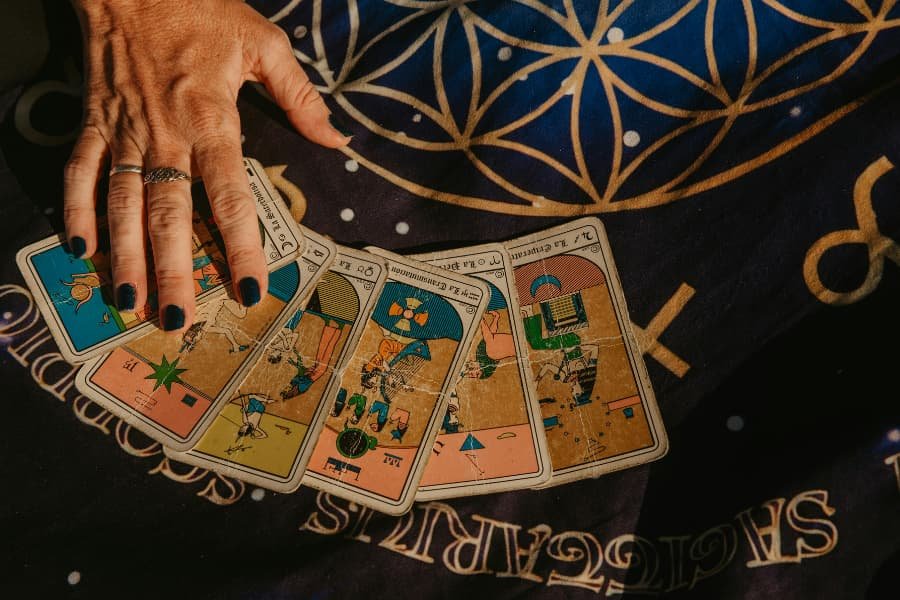
There’s an undeniable mystique surrounding tarot cards—a magical charm that seems to whisper secrets from ancient realms. Among the many fascinating threads woven into tarot’s rich tapestry, the influence of Ancient Egypt stands out as particularly captivating. Imagine uncovering the echoes of Egypt’s sacred symbols and spiritual wisdom embedded within these decks, guiding us through life’s mysteries as they once did millennia ago. Exploring the Ancient Egyptian influences on tarot cards opens a stunning window into how this civilization’s profound symbolism continues to shape our spiritual journeys today.
What Are Ancient Egyptian Influences on Tarot Cards?
When discussing Ancient Egyptian influences on tarot cards, we explore the idea that many tarot symbols, archetypes, and structures have roots tied to Egypt’s ancient spiritual wisdom. Though tarot as we know it began to take shape in Europe during the 15th century, many scholars and enthusiasts observe profound parallels between the imagery found in tarot decks and Egyptian mythology, art, and philosophy.
For instance, some major tarot cards correspond symbolically to Egyptian gods and concepts. The High Priestess echoes Isis, the goddess of mystery and intuition. The Fool’s journey resembles the soul’s passage through the Egyptian afterlife. Hieroglyphic-like imagery and elements from the Egyptian Book of the Dead can often be traced in tarot symbolism, suggesting that tarot’s deep spiritual messages may, in part, spring from those ancient sands.
The Symbolism Connection
One of the most compelling reasons to explore Ancient Egyptian influences on tarot cards is the rich symbolism they share. Egyptian culture thrived on layered meanings—animals, colors, shapes, and hieroglyphs all conveyed spiritual truths. This language of symbols is echoed in tarot, which uses archetypal images to tap into our subconscious and universal energies.
Take, for example, the scarab beetle, a potent emblem of transformation and rebirth in Egyptian lore. It closely relates to The Magician’s power of manifestation and creativity found in tarot. Similarly, the concept of Ma’at—the balance between order and chaos—finds resonance in the Justice card. This symbolic dialogue creates a profound spiritual bridge, offering tarot readers a chance to tap into age-old wisdom that feels both mysterious and familiar.
Why Ancient Egyptian Influences Matter to You
Understanding the Ancient Egyptian influences on tarot cards doesn’t just satisfy curiosity—it enriches your personal tarot practice and spiritual connection. When you know where symbols come from, the cards transform from mere tools into living guides infused with history, myth, and soul-deep meaning.
These ancient roots invite you into a timeless conversation with your intuition, encouraging you to explore your inner landscape with more depth and clarity. Whether you’re new to tarot or have been reading for years, learning about these Egyptian ties adds layers of inspiration, helping your readings become more insightful and your connection to the cards more sacred.
If you want to dive deeper into these mystical ties, tarotisto.com offers wonderful resources to help you unlock the spiritual secrets behind your deck and amplify your intuitive abilities.
Conclusion: The Ancient Spirit in Modern Tarot
The Ancient Egyptian influences on tarot cards reveal how deeply we are connected to the wisdom of the past—how ancient knowledge still pulses beneath the surface of our modern spiritual tools. By embracing these connections, you invite a timeless energy into your readings, allowing ancient symbols to illuminate your path with clarity, transformation, and magic.
Tarot is more than a game; it’s a sacred dialogue that bridges eras, cultures, and souls—guiding you toward self-awareness and growth. So the next time you shuffle your cards, remember the ancient echoes they carry, and step boldly into that mystical lineage.
For those eager to explore these fascinating connections and deepen their tarot journey, tarotisto.com is your friendly and professional companion every step of the way.
FAQ
- What evidence supports Ancient Egyptian influences on tarot cards?
While tarot originated in Europe, many symbols and themes share similarities with Ancient Egyptian spiritual and mythological motifs. These parallels include archetypes like Isis (the High Priestess), symbols such as the scarab, and overarching themes of transformation and balance. However, the connection is primarily symbolic rather than historically documented. - How can knowing about Egyptian influences improve my tarot readings?
Recognizing Egyptian symbolism deepens your understanding of the cards’ meanings, enriching your intuition and insight. It opens you up to the timeless wisdom behind the images, making your readings more profound and personally meaningful. - Are all tarot decks influenced by Ancient Egyptian culture?
Not all decks explicitly incorporate Egyptian symbols, but many traditional and esoteric decks draw on these ancient influences to varying degrees. Exploring these can add a unique spiritual dimension to your tarot practice. - Can I use the knowledge of Ancient Egyptian influences in designing my own tarot deck?
Absolutely! Understanding the symbolism and spiritual significance of Egyptian motifs can inspire and inform your deck creation, bringing depth and resonance to the imagery you choose. - Where can I learn more about the spiritual origins and symbolism of tarot cards?
Platforms like tarotisto.com offer insightful guides and resources focused on the history, culture, and spiritual symbolism of tarot, including Ancient Egyptian influences. It’s a great place to start or continue your tarot learning journey.