
There’s something truly captivating—and a little mysterious—about reversed tarot cards. When you flip through your deck and one appears upside down, it can feel like a secret message, an inside whisper from the universe meant just for you. Learning to interpret reversed cards opens up a new dimension in tarot reading, where meanings deepen, energies shift, and hidden truths emerge. It’s not just about a card pointing in a different direction; it’s about embracing complexity and trusting your intuition to guide you toward insight.
Understanding Reversed Cards
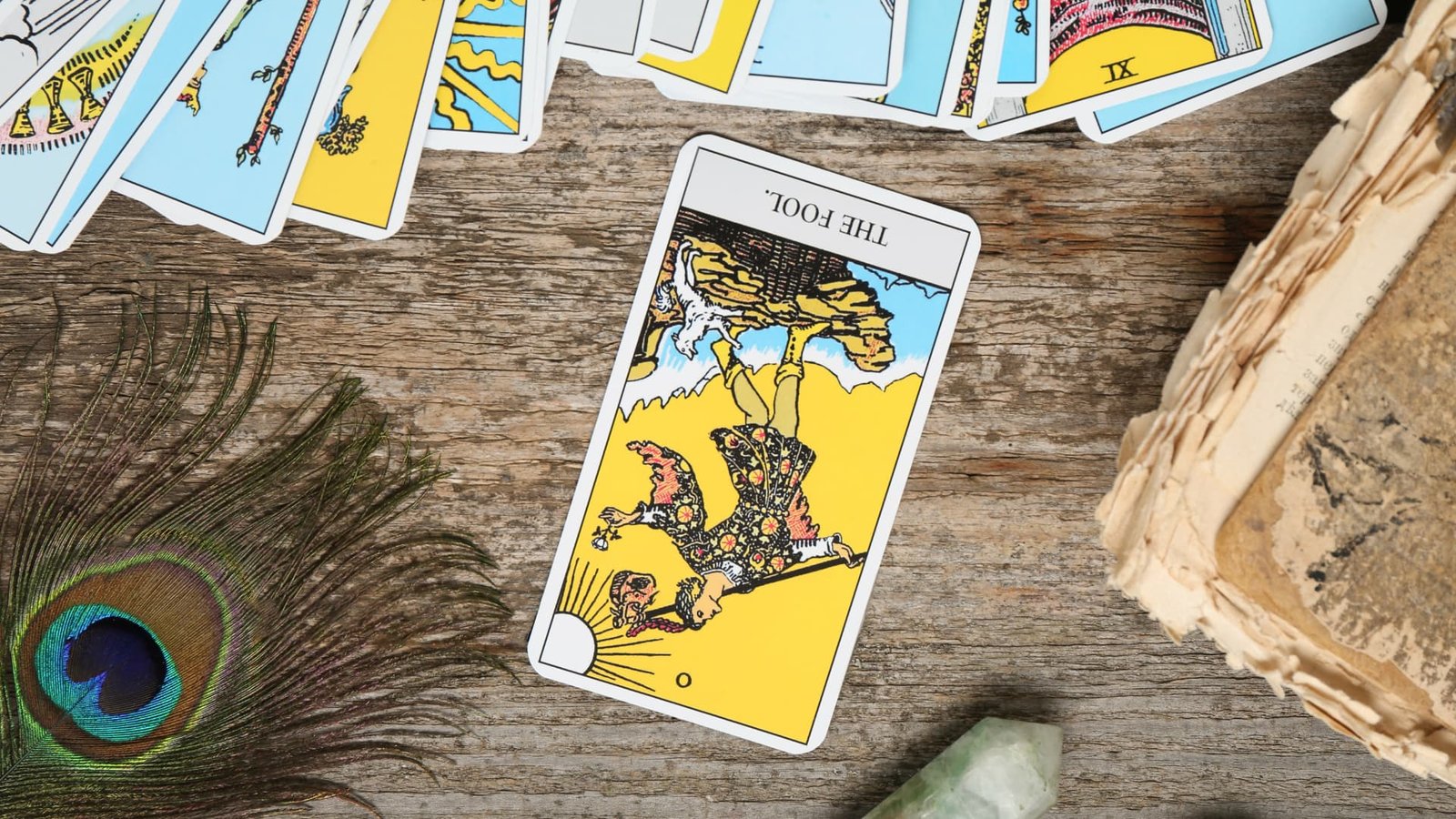
So, what exactly are reversed tarot cards? Simply put, they are cards drawn or appearing upside down in a spread. This isn’t accidental; it’s a powerful symbol that the usual upright meaning might be shifting. Reversals can indicate blockages, delays, internal struggles, or the shadow side of a card’s energy. For example, the upright “The Empress” represents nurturing and growth, but reversed, it might signal creative blocks or self-neglect.
The fascinating part about interpreting reversed cards is that it pushes you beyond textbook definitions and encourages personal reflection. A reversed card often invites you to pause and look inward, to explore what lies beneath the surface in your life or the querent’s situation. It challenges you to think in shades of gray instead of black and white, making your tarot practice richer and more nuanced.
Why Reversed Cards Matter
Understanding how to interpret reversed cards is more than just a neat trick for tarot enthusiasts; it’s about deepening your connection to the messages the cards want to convey. Reversals can highlight areas where you might feel stuck, reveal lessons waiting to be learned, or offer warnings you wouldn’t see from upright cards alone.
Without embracing reversed cards, you might miss crucial parts of your reading’s story. Think of your tarot deck as a mirror to your subconscious—a reversed card reflects the things you might usually prefer to keep hidden. By welcoming these inverted energies, you open the door to healing and self-awareness that are as empowering as they are eye-opening. It means the universe is inviting you to grow through patience, self-compassion, and honest introspection.
Practical Tips for Interpretation
When wondering how to interpret reversed cards effectively, the first thing to remember is: trust your intuition. While traditional reversal meanings exist, the heart of tarot lies in personal insight. Start by considering what the upright card means, then ask yourself how that energy might be blocked, reduced, or internalized when flipped upside down.
Try not to get overwhelmed by every reversed card signaling “bad news.” Sometimes, reversals soften an energy or encourage you to slow down and reflect rather than push forward aggressively. For a hands-on approach, jot down your impressions and how the reversed card fits into the overall story of the spread. Over time, you’ll notice patterns and deeper layers emerging.
Another useful tip is to consider the card’s position and its surrounding cards. For instance, a reversed “Three of Cups” near cards about relationship issues might point to unresolved emotional tension rather than celebration. And remember, not all readers include reversals in every reading. If you’re just starting out, allow yourself to experiment without pressure.
Final Thoughts
Mastering how to interpret reversed cards is like opening a door to your tarot deck’s hidden wing. Those seemingly “backwards” cards are gifts that can deepen your spiritual journey and offer guidance with renewed perspective. They remind us that not all things are black or white—sometimes, the most profound messages come from embracing the upside-down moments in life.
At tarotisto.com, we believe every card, upright or reversed, carries wisdom meant to guide you with kindness and clarity. So the next time a reversed card appears in your reading, lean in, listen carefully, and let your intuition lead the way. The story it unlocks might just change how you see yourself—and the universe around you.
FAQ
- What do reversed tarot cards generally indicate?
Reversed cards can indicate blockages, delays, internal conflicts, or a need to re-examine a particular issue from a different angle. They often suggest energies that are subdued, challenged, or require healing. - Are reversed cards always negative?
Not at all! While reversed cards can point to challenges, they can also indicate reduced intensity of an energy or an invitation to slow down and reflect rather than take immediate action. - Should beginners use reversed cards in their readings?
Yes, but gently. Beginners are encouraged to explore reversed cards to deepen understanding, but it’s perfectly fine to start with upright meanings before gradually incorporating reversals as confidence grows. - How can I develop my intuition for interpreting reversed cards?
Practice regularly, keep a tarot journal, and pay close attention to the feelings and thoughts each reversed card evokes. Tarotisto.com offers helpful guides and tools to support your intuitive development. - Do all decks include reversed cards?
Most decks allow for reversals depending on how you shuffle and draw the cards. However, some readers choose decks or methods that focus only on upright positions—it’s really a personal preference.