

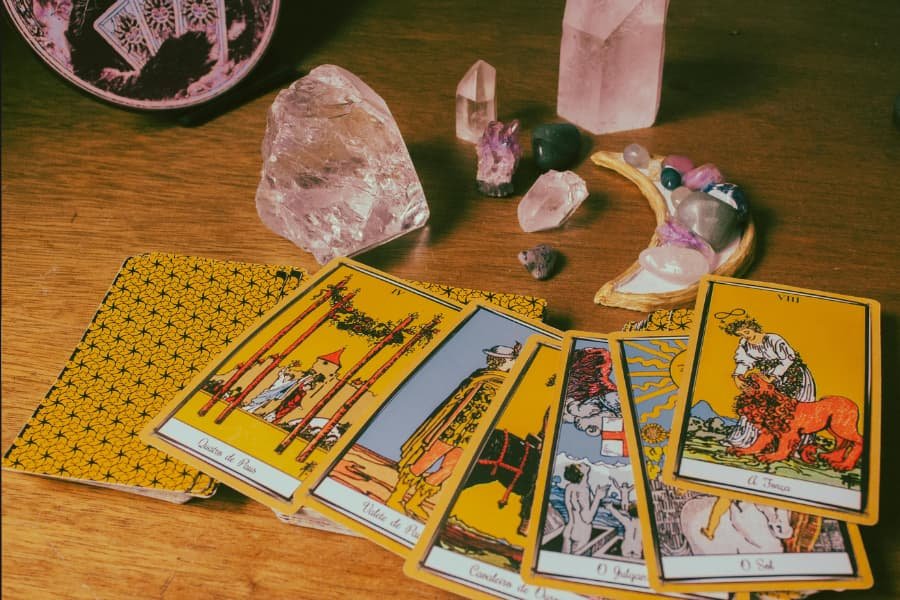
Step back in time to the enchanting world of Renaissance Italy, where art, culture, and mysticism intertwined in a tapestry of wonder. This was the era when tarot first blossomed into the captivating card system we recognize today. The story of tarot in 15th-century Italy is more than just history; it’s a journey filled with symbolism, secret codes, and spiritual insights that continue to inspire readers around the world. Imagine the courts of Milan and Florence buzzing not only with painters and scholars but also with nobles intrigued by these mysterious cards that spoke of fate, fortune, and human truths.
Origins of Tarot in 15th-Century Italy
The fascinating tale of tarot in 15th-century Italy begins not as a tool for divination but as an exquisite deck of playing cards commissioned by noble families. It is widely believed that the Visconti-Sforza tarot decks, created around the mid-1400s, were among the earliest surviving examples. These decks were intricately designed, often hand-painted by masters of the arts, and served as both entertainment and symbols of status. The cards combined everyday themes with allegory, mythology, and spirituality, reflecting the Renaissance’s hunger for knowledge and understanding.
What makes these early tarot cards so special is their dual nature. On one hand, they provided amusement at social gatherings. On the other, they secretly held deep philosophical and esoteric meanings that only a select few could interpret. This layered complexity shows how tarot in 15th-century Italy was more than just a game — it was a mirror for self-reflection and a bridge between the worldly and the mystical.
The Symbolism and Artistry Behind the Cards
Delving into the symbolism behind tarot in 15th-century Italy is like unlocking a treasure chest of Renaissance wisdom. Every card is a masterpiece, blending Christian iconography with classical philosophy, nature’s cycles, and archetypes of the human condition. From the triumphant chariots to the humbled fools, each image invites us to explore the stories within ourselves and the universal themes that connect humanity across time.
The artists who crafted these decks possessed both creative genius and a deep respect for symbolism. This is why tarot cards have endured as powerful tools for introspection and guidance. When you shuffle a deck today, you’re touching a lineage of creativity and spirituality that stretches back over 500 years. Through tarotisto.com’s carefully curated resources, you can explore this rich tradition and discover your own unique connection to these timeless images.
Why Tarot in 15th-Century Italy Still Matters Today
Understanding tarot in 15th-century Italy invites us to appreciate how these cards have journeyed from noble courts to the hands of everyday seekers. The Renaissance birthed a cultural resurgence for tarot, embedding it with meanings that transcend the cards themselves. For contemporary tarot readers and enthusiasts, this historical context enriches each reading, connecting us to centuries of human experience, spirituality, and transformation.
Moreover, the emotional depth and artistic beauty of the original Italian decks remind us to approach tarot as both an art form and a practice of self-care. Tarot in 15th-century Italy teaches us that behind every symbol lies an invitation to reflect, dream, and grow. On tarotisto.com, you’ll find this spirit echoed as you learn more about tarot’s origins and how its messages can illuminate your present path.
FAQ
- What exactly was tarot in 15th-century Italy used for?
Originally, tarot cards commissioned in 15th-century Italy served as elaborate playing decks for entertainment among the nobility. Over time, they took on mystical and symbolic meanings, laying the foundation for their use in divination and spiritual insight. - Who created the first tarot decks in Italy?
The earliest known tarot decks, like the Visconti-Sforza deck, were commissioned by noble families in Milan and painted by skilled artists of the Renaissance, though the exact creators remain somewhat mysterious. - How can learning about the history of tarot enhance my readings?
Knowing the origins of tarot in 15th-century Italy adds layers of meaning to your readings, helping you connect more deeply with the cards’ symbolism and cultural significance, which enhances intuition and interpretation. - Are the original Italian tarot card designs still used today?
Many modern decks draw inspiration from these original designs because of their rich symbolism and artistry. Exploring these can be a rewarding experience for anyone interested in the roots of tarot. - Where can I find reliable information about tarot’s history?
Websites like tarotisto.com provide thoughtful, accessible insights into tarot’s origins, including detailed explorations of tarot in 15th-century Italy, helping both beginners and seasoned readers deepen their knowledge.