From mysterious origins to a beloved spiritual tool today, the evolution of tarot in the New Age movement is nothing short of magical. Tarot has blossomed from ancient card decks shrouded in secrecy into a vibrant language of the soul, guiding millions on their paths to self-discovery and healing. This transformation beautifully reflects how contemporary seekers have infused new energy, meaning, and accessibility into this ancient art, turning it into a powerful companion for personal growth and enlightenment.
Historical Roots of Tarot
Before the bright colors and intuitive spreads we know today, tarot began as simple playing cards in 15th-century Europe. Over centuries, mystical interpretations were layered onto these decks, especially influenced by occultists in the 18th and 19th centuries who linked tarot symbols to hidden wisdom and esoteric knowledge. These early efforts planted the seeds for tarot’s sacred potential, yet the experience remained cloaked in mystery and often limited to a select few. The rich symbolism and archetypes within tarot cards gradually captured the imagination of those drawn to spiritual exploration.
Tarot and the New Age Movement
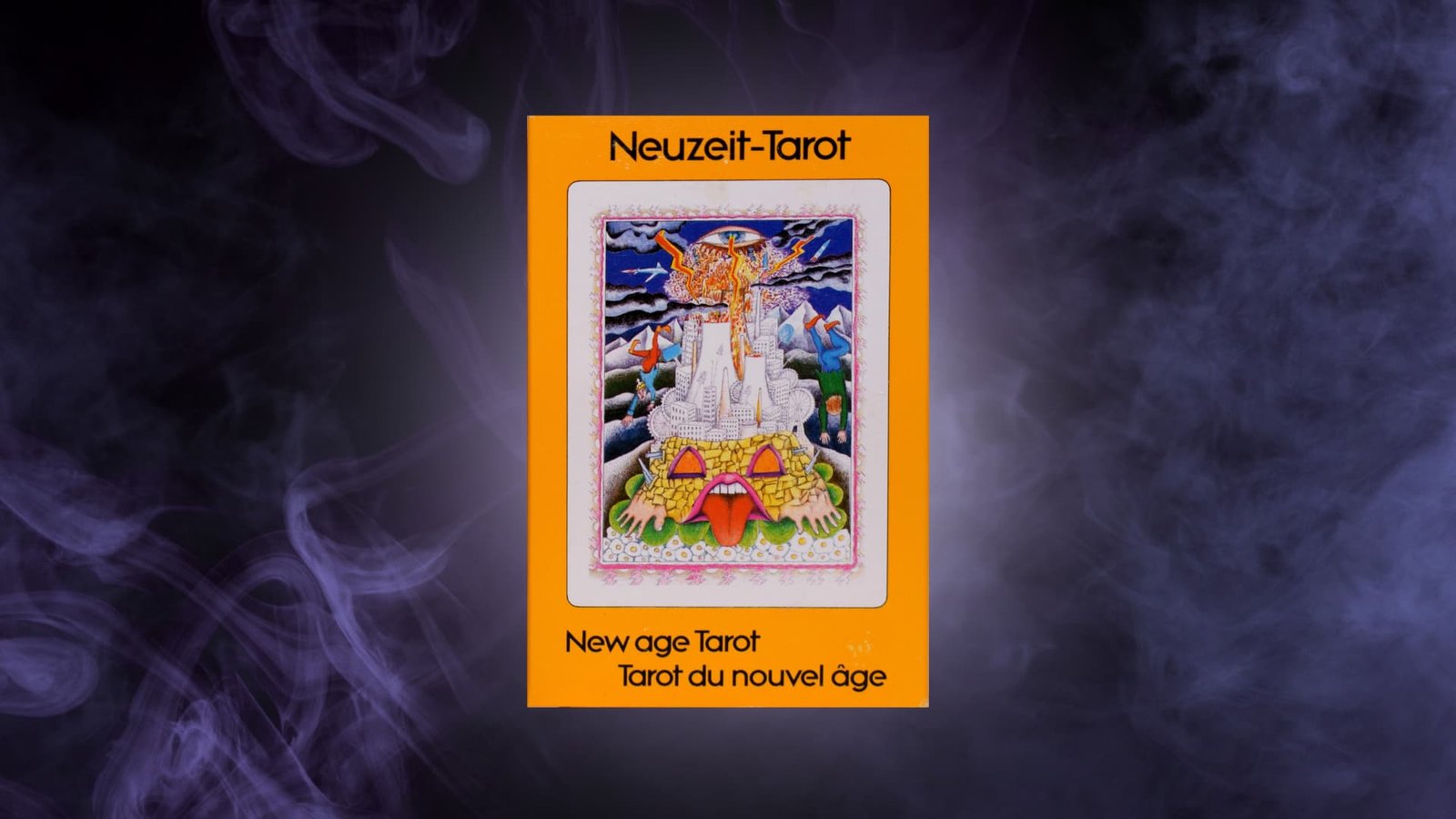
Enter the New Age movement in the late 20th century—a time marked by a surge in spirituality and holistic, back-to-the-earth philosophies. This era embraced inclusivity, personal empowerment, and the interconnectedness of mind, body, and spirit. With these values, tarot found a new home, shedding much of its exclusive aura. The evolution of tarot in the New Age movement transformed it from a cryptic fortune-telling device to a profound tool for mindfulness, therapy, and self-reflection. Decks diversified, guided meditations grew popular, and tarot’s language adapted to resonate with contemporary seekers interested in healing and personal awakening.
Why the Evolution Matters to You
Understanding the evolution of tarot in the New Age movement sheds light on why the cards feel so powerful and relevant today. It’s more than just symbolism; it’s a bridge between ancient wisdom and modern spirituality. Tarot invites you to connect with your intuition, find clarity during uncertainty, and embrace your own narrative of transformation. This shift means tarot isn’t just for divination—it’s a mirror for your soul and a compass for your journey. At tarotisto.com, we celebrate this evolution, encouraging readers to engage with tarot in ways that honor both tradition and personal growth.
Conclusion
The journey of tarot from its mysterious beginnings to its radiant role in the New Age movement is a testament to its enduring magic and adaptability. Its evolution reflects humanity’s timeless search for meaning, healing, and connection. Whether you’re a seasoned practitioner or just curious about tarot’s soulful stories, embracing this evolution opens doors to deeper self-awareness and spiritual expansion. Dive into the world of tarot with an open heart—your path awaits at tarotisto.com, where the past and present meet to inspire your future.
FAQ
- What does the evolution of tarot in the New Age movement mean for new readers?
The evolution means tarot has become more accessible, user-friendly, and deeply connected to personal growth rather than just fortune-telling, making it an inviting tool for beginners and seasoned readers alike. - How did the New Age movement change the way tarot decks are designed?
New Age influences brought more diverse themes and inclusive imagery into tarot decks, allowing users to find decks that resonate personally and reflect a wide range of spiritual beliefs and cultural backgrounds. - Can tarot be used for healing in addition to divination?
Absolutely. The evolution of tarot in the New Age movement strongly emphasizes its role as a healing and self-awareness tool, often used alongside meditation, therapy, and mindfulness practices. - Is the symbolism of tarot cards still relevant today?
Yes, the timeless archetypes and symbols remain central to tarot’s power, but their meanings have expanded and adapted, allowing each reader to bring their own intuitive insights into the interpretation. - Where can I learn more about tarot’s history and cultural significance?
Websites like tarotisto.com provide in-depth resources and support for those looking to explore tarot’s rich history, cultural background, and modern-day applications.