
Symboliek
Tarot Symbolism: The Universal Language of the Cards
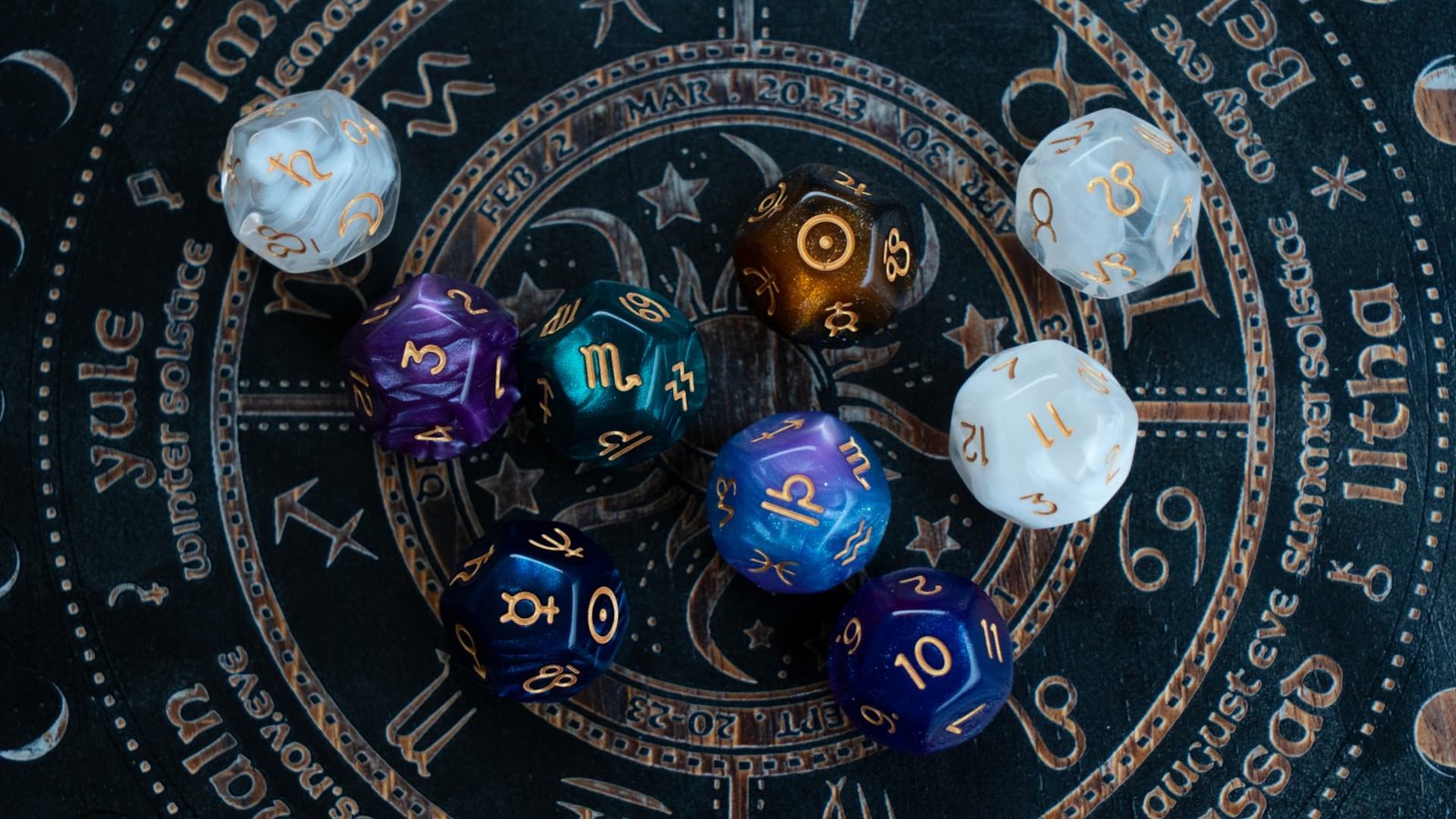
Every tarot card is a tapestry of symbols — a visual language that transcends time, culture, and belief. From ancient mythologies to elemental forces, tarot symbolism connects the physical and spiritual worlds through imagery, color, and number. Understanding these symbols is essential to reading tarot with depth and intuition, as each image reveals layers of meaning beyond what’s seen at first glance.
Archetypes in the Major Arcana
At the heart of tarot’s symbolism lies the Grote Arcana, a series of 22 cards that represent universal archetypes — timeless patterns found across all cultures and stories.
-
The Fool embodies beginnings, innocence, and potential.
-
The Magician represents willpower, manifestation, and mastery.
-
The High Priestess stands for intuition and hidden knowledge.
-
The Death card symbolizes transformation, not literal death, but spiritual rebirth.
These archetypes mirror the human journey — what psychologist Carl Jung called the “collective unconscious.” Whether read for self-reflection or divination, they act as mirrors of the soul, guiding us through cycles of growth, challenge, and awakening.
Numerology in Tarot
Numbers are more than mere counting tools in tarot; they’re energetic signatures. Numerology adds a mathematical rhythm to the deck’s language:
-
Ones represent beginnings and individuality.
-
Twos symbolize duality, balance, and choice.
-
Threes bring creativity, expansion, and collaboration.
-
Fours anchor stability and structure.
-
Fives signal conflict and change.
-
Sixes bring harmony and growth.
-
Sevens embody introspection and spiritual testing.
-
Eights mark movement, mastery, and progress.
-
Nines represent culmination and wisdom.
-
Tens signal completion and renewal — the closing of one cycle and the birth of another.
Through numerology, tarot weaves logic into intuition — every card, whether in the Minor or Major Arcana, follows a numerical pattern of evolution.
Elemental Symbolism: Earth, Air, Fire, and Water
Tarot draws deeply on elemental symbolism, representing the natural forces that shape our existence:
-
Earth (Pentacles): The material world — stability, work, body, and abundance.
-
Air (Swords): The realm of thought — intellect, communication, truth, and conflict.
-
Fire (Wands): Energy, ambition, creativity, and transformation.
-
Water (Cups): Emotion, intuition, love, and spiritual connection.
These four elements balance the deck’s universe, creating a holistic system that reflects both the external and internal worlds. Together, they mirror life’s rhythm — grounding, thinking, creating, and feeling.
Tarot Imagery Inspired by Greek Mythology
Much of tarot’s imagery echoes Greek mythology, which explores divine archetypes and human emotion. Greek deities often appear, consciously or subtly, in tarot symbolism:
-
The Empress recalls Demeter, goddess of fertility and nurturing.
-
The Lovers reflect Eros and Psyche, symbolizing the soul’s union with love.
-
The Tower parallels Zeus’ thunderbolt, divine disruption that clears falsehoods.
-
The Hanged Man recalls Prometheus — sacrifice for higher wisdom.
Greek mythology breathes poetic life into tarot, reminding us that the cards are not just symbols but stories in motion, capturing the eternal dance between gods and mortals, fate and free will.
Tarot Symbols in Norse Legends
Tarot’s archetypal energy also resonates with Norse mythology, which shares many themes of fate, transformation, and the cycle of life and death.
-
De Wheel of Fortune mirrors the Norns, the weavers of destiny.
-
The Hermit parallels Odin, who sacrificed his eye for wisdom.
-
The Death card evokes Ragnarök, the end that brings renewal.
-
The Strength card echoes Thor’s courage and inner fortitude.
Through these Norse connections, tarot becomes a cross-cultural bridge, translating universal spiritual truths into symbolic language.
Tarot Symbolism in Different Cultural Traditions
Across the world, cultures infuse tarot with their own interpretations:
-
Celtic traditions emphasize natural cycles, sacred trees, and the interplay between light and shadow.
-
Chinese symbolism blends yin-yang balance, ancestral wisdom, and elemental harmony.
-
African and Indigenous systems view tarot as a living oracle connected to ancestors and nature’s spirit.
-
Indian traditions align tarot’s imagery with chakras, karma, and the journey of the soul.
These cultural perspectives show how tarot evolves — not as a fixed system, but as a universal symbolic framework adaptable to any worldview.
The Universal Power of Symbolism in Tarot
The enduring strength of tarot lies in its ability to speak in symbols — the oldest language known to humanity. Every color, number, animal, and gesture within the cards carries meaning:
-
A butterfly signals transformation.
-
A river represents the flow of emotion and time.
-
Mountains symbolize challenges and enlightenment.
-
Circles and crowns suggest unity and divine wisdom.
Whether read intuitively or through structured study, these images invite personal interpretation. The magic of tarot emerges not from the symbols themselves, but from how they reflect the reader’s own consciousness.
Why Symbolism Matters in Tarot Reading
To read tarot without symbolism is like reading poetry without metaphor. The symbols are not literal — they’re mirrors of energy and emotion, designed to trigger intuition. When you draw a card, you engage in a dialogue between your subconscious and the collective stories embedded in the deck.
Understanding tarot symbolism helps you move beyond memorization into embodied interpretation. Each reading becomes a co-creation between ancient archetypes and your present moment — the eternal dance between story and self.