Tarot cards have long fascinated seekers of wisdom, self-discovery, and spiritual insight. Their beautifully illustrated decks seem to whisper the secrets of the universe, inviting us to embark on journeys of intuition and transformation. But have you ever paused to wonder about the origin of tarot cards? Understanding where and how tarot began can deepen your connection to the cards and open a doorway to appreciating their timeless magic.
A Glimpse into the Birth of Tarot
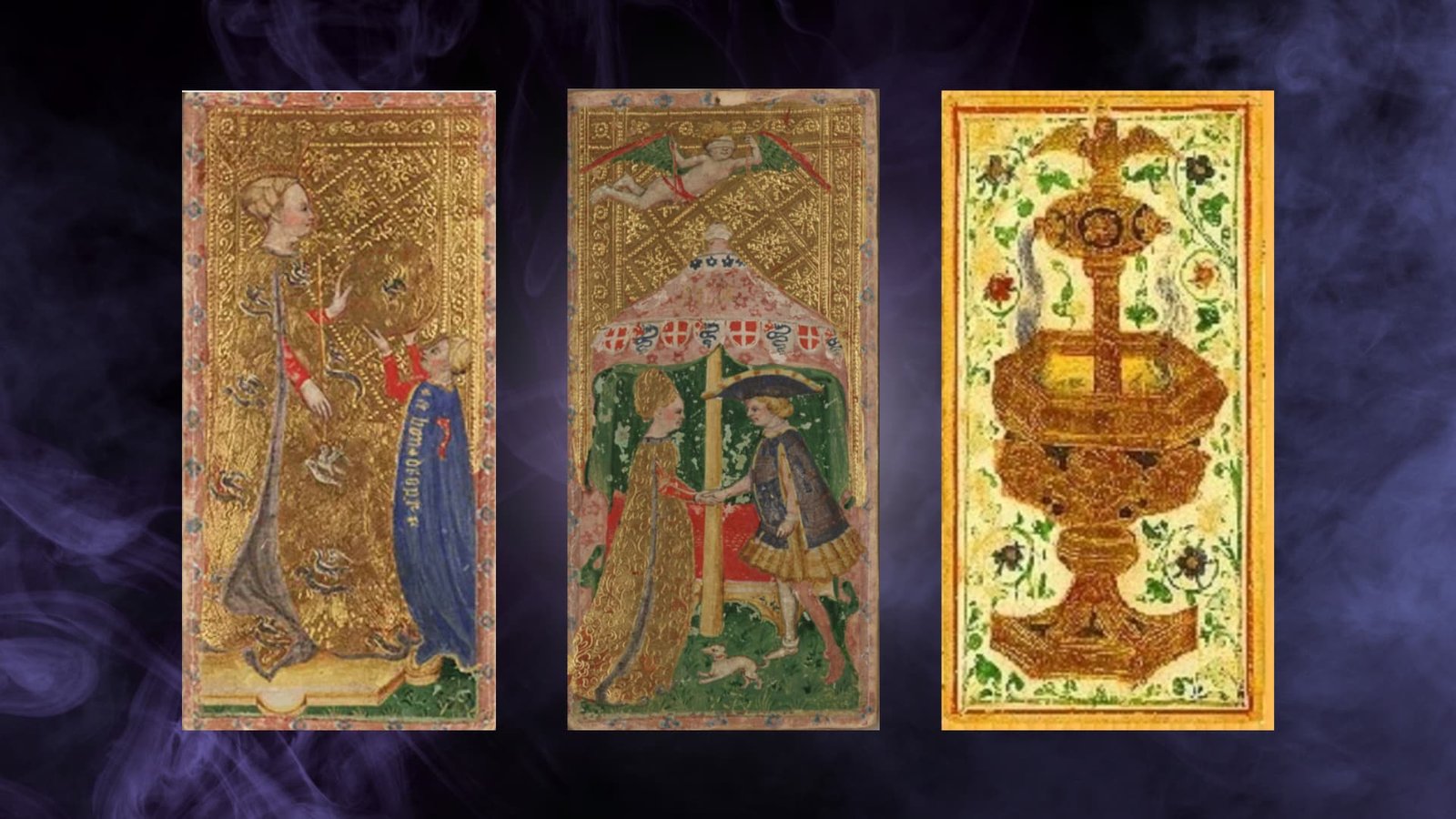
The story of tarot cards is as enchanting as the cards themselves. While many imagine tarot to be an ancient artifact dating back thousands of years, the historical origin of tarot cards is actually a bit more recent—yet no less mystical. The earliest decks appeared in mid-15th century Europe, particularly in Italy, not as mystical tools but as playing cards for aristocratic entertainment. These early “tarocchi” cards featured vivid imagery and complex symbolism that soon captured imaginations beyond mere games.
It wasn’t until the late 18th century that tarot cards began their transformation into instruments of divination and spiritual insight. Figures such as Antoine Court de Gébelin linked tarot symbolism to ancient Egyptian mysteries and esoteric knowledge, inspiring the tarot community to adopt the cards as keys to hidden wisdom. This fusion of history, myth, and symbolism gave tarot cards the profound spiritual aura they carry today—connecting us to something far greater than the shuffle of a deck.
What Are Tarot Cards Anyway?
At their core, tarot cards are a deck of 78 cards, traditionally divided into the Major Arcana and Minor Arcana. The Major Arcana consists of 22 cards featuring powerful archetypes like The Fool, The Empress, and The Tower—each telling a unique part of the human experience and spiritual journey. The Minor Arcana, made up of four suits similar to playing cards, explores the day-to-day situations and emotional landscapes we navigate.
More than just pictures on cards, tarot acts as a mirror to our subconscious and a guide for introspection. Through their rich symbols and narratives, tarot cards invite us to tap into our intuition, reflect on our path, and find clarity amid life’s beautiful complexities. The origin of tarot cards not only holds historical value but also enriches the meaning we draw from every reading, reminding us we are part of a centuries-old tradition of spiritual exploration.
Why Knowing the Origin Matters
Understanding the origin of tarot cards can be a deeply empowering experience for anyone drawn to their magic. It connects you not just to the imagery and the readings, but to a rich cultural and spiritual lineage. This awareness allows your tarot practice to flourish with greater respect and intention—honoring the journey these cards have travelled through time and culture.
When you explore tarotisto.com, you’re stepping into a vibrant community that cherishes this history while making tarot accessible and meaningful for today’s seekers. Knowing where tarot comes from enhances your readings, making each shuffle and spread a beautiful bridge between past wisdom and present insight. It transforms tarot from a simple card game into a living, breathing tool of transformation and self-understanding.
Conclusion: Embrace the Ancient Wisdom
The origin of tarot cards is a tale of artistry, mystery, and spiritual awakening. From their beginnings as playful decks in Renaissance courts to their sacred role as pathways to deeper self-awareness, tarot invites you to partake in a dance between history and intuition. Every card you draw carries echoes of centuries of seekers just like you—searching, hoping, and finding answers.
Embracing the origin of tarot cards enriches your connection with this mystical art, empowering your journey toward insight and transformation.
Ready to explore the magic firsthand? Visit tarotisto.com, where ancient wisdom meets modern guidance, and start uncovering the gifts that tarot has waiting just for you.
FAQ
- What is the origin of tarot cards?
The origin of tarot cards dates back to 15th century Italy, where they were initially used as playing cards for aristocrats. Over time, especially by the 18th century, they evolved into tools for divination and spiritual insight. - Are tarot cards linked to ancient Egypt?
While some early tarot enthusiasts suggested connections to ancient Egypt, modern historians agree that tarot cards were created in Renaissance Europe and are not directly linked to Egyptian origins. - Why do tarot cards have symbolic images?
The symbolism in tarot cards reflects archetypes, life stages, and spiritual lessons, designed to stimulate intuition and guide self-reflection during readings. - How can knowing the origin of tarot cards benefit my readings?
Knowing the origin helps deepen your respect and understanding of tarot, enhancing the meaningfulness and accuracy of your readings by connecting you to the rich history behind the cards. - Where can I learn more about tarot and its origins?
For a deeper dive into tarot history, symbolism, and practical readings, tarotisto.com offers resources and guidance tailored for every level of tarot enthusiast.