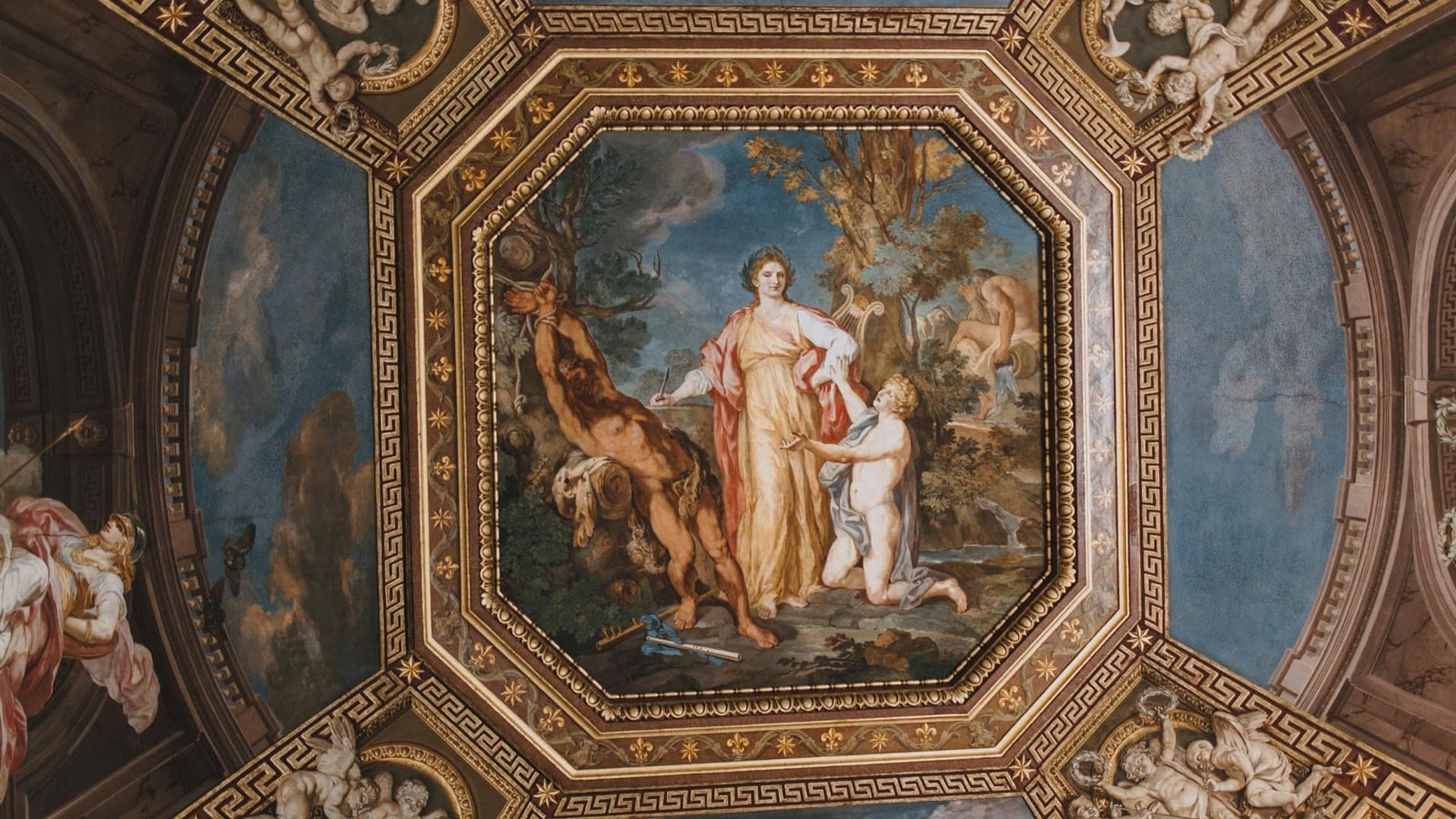
Imagine holding in your hands a deck of cards that not only reveals hidden truths but also carries the echoes of a magnificent era—the Renaissance. Tarot and the Renaissance is more than a historical footnote; it’s a vibrant story of art, spirituality, and human curiosity coming together to create something truly magical. This period breathed new life into tarot, intertwining it with the awakening of human potential and the quest for meaning that continues to inspire seekers today.
The Birth of Tarot in the Renaissance
Tarot cards as we know them today began to take shape during the Renaissance, a period spanning roughly from the 14th to the 17th century in Europe. This era was a thrilling explosion of creativity, innovation, and intellectual exploration. It was during this time that tarot decks first appeared as playing cards in Italy, reflecting a society transitioning from medieval superstition to blossoming humanism.
The early tarot decks were lavishly illustrated, combining symbolism drawn from classical mythology, Christian iconography, and emerging philosophical ideas. Artists and patrons of the Renaissance began to see tarot not just as a simple pastime but as a mirror of the human experience—our hopes, fears, and the complex dance of fate and free will. The imagery was carefully designed to provoke reflection, a practice that speaks directly to anyone drawn to tarot today.
Cultural and Spiritual Influences
During the Renaissance, Europe was a melting pot of cultural shifts—the rediscovery of ancient texts, the rise of science, and a renewed interest in spirituality beyond dogma. Tarot and the Renaissance cannot be separated from this rich backdrop. The influence of Neoplatonism, Hermeticism, and Kabbalistic traditions infused tarot symbolism with deeper layers of meaning.
This intersection of art, mysticism, and philosophy gave tarot its unique capacity to serve as a spiritual tool. More than mere fortune-telling, tarot reading emerged as a way to engage with the unconscious mind, unlock wisdom, and explore the archetypal forces shaping our lives. For modern tarot enthusiasts, understanding this heritage enriches every shuffle and spread, reminding us that tarot is both a product and a perpetuator of humanity’s eternal search for self-knowledge.
Why the Renaissance Matters to Tarot Readers
So, why should the Renaissance matter to you as a tarot reader or seeker today? The answer lies in the remarkable way this cultural rebirth echoes within the tarot deck itself. The Renaissance symbolizes a turning point—where reason met imagination, and spiritual inquiry danced with scientific discovery.
When you engage with tarot, you are tapping into this legacy of curiosity, creativity, and transformation. Every card is a bridge to that vibrant time, inviting you to awaken your own inner Renaissance: a rebirth of insight, confidence, and spiritual connection. Understanding the roots of tarot helps deepen your practice, making each reading not just a message but a dialogue across time and culture.
If you want to dive deeper into the heart of tarot’s past and explore how these origins can illuminate your current journey, the community at tarotisto.com is here to guide and support you.
Conclusion
Tarot and the Renaissance reveals a narrative of rediscovery—of the self, the cosmos, and the symbols that connect us. From the vibrant courts of Italy to your own hands, tarot carries the timeless pulse of a culture eager to understand the mysteries of life. Embracing this story invites you to see tarot not just as cards but as living history—an ever-evolving tool for transformation and insight.
Let tarotisto.com be your companion in this exciting exploration. Whether you’re a curious beginner or a seasoned reader, knowing the cultural roots of tarot will empower you to read with deeper intuition and joy.
FAQ
- What is the connection between tarot and the Renaissance?
The connection lies in tarot’s origins during this historical period. Tarot cards first appeared as richly illustrated decks in Renaissance Italy, infused with the art, culture, and spiritual ideas of the time. - How did Renaissance culture influence tarot symbolism?
Renaissance culture, with its emphasis on humanism, classical mythology, and mysticism, shaped tarot imagery to reflect profound spiritual and philosophical concepts, making the cards a tool for self-reflection. - Why is understanding tarot’s Renaissance origins important for readers today?
Understanding these origins deepens your connection to the cards by revealing their rich symbolic roots, enhancing your interpretative skills and spiritual engagement. - Can tarot be seen as more than fortune-telling because of its Renaissance background?
Absolutely. The Renaissance emphasis on knowledge, psychology, and spirituality transformed tarot into a versatile oracle for guidance, personal growth, and insight beyond mere prediction. - Where can I learn more about tarot’s history and practice?
tarotisto.com offers a welcoming space to explore tarot’s history, symbolism, and practical uses, providing resources and community support for all levels of readers.