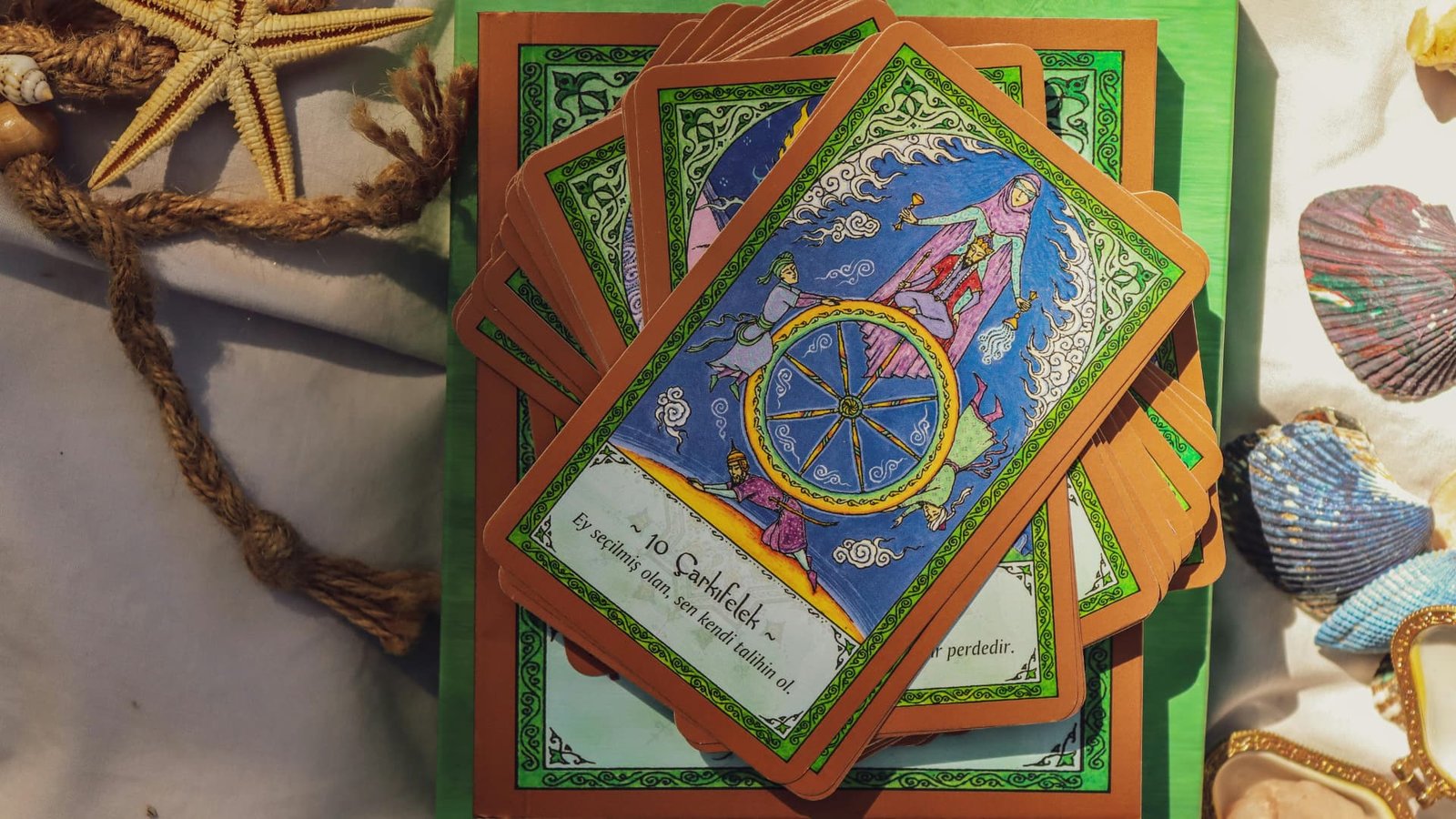
When we think of tarot, our minds often drift toward European mysticism or modern spiritual movements, but the story of tarot in Middle Eastern cultural contexts is a fascinating journey that intertwines ancient symbolism, spirituality, and cultural heritage. This unique perspective reveals how tarot cards resonate beyond familiar frameworks, touching hearts and histories in ways that feel both timeless and deeply personal. Exploring tarot through the Middle Eastern lens invites us to discover not just a deck of cards, but a bridge of wisdom connecting past and present, the mystical and the everyday.
Understanding Tarot in Middle Eastern Cultural Contexts
Tarot in Middle Eastern cultural contexts extends far beyond what many imagine. It’s not just about fortune telling or mysterious cards; rather, it reflects an evolving tapestry where spirituality, art, and tradition converge. Many Middle Eastern cultures have long-standing practices involving divination, symbolism, and storytelling, which harmonize beautifully with the essence of tarot. For centuries, the region’s rich mosaic of civilizations—from the ancient Egyptians and Mesopotamians to Persians and Arabs—has embedded layers of meaning in symbols that tarot cards echo today.
Unlike the commonly held Western notion of tarot as a purely mystical or esoteric tool, in Middle Eastern contexts, tarot intertwines with cultural rituals, poetry, and philosophy. This connection fosters an experience where the cards are not just predictive tools but mirrors reflecting inner journeys and collective memory. Whether someone is seeking guidance or spiritual insight, tarot’s symbolism within these cultures offers a profound, nuanced language that speaks in metaphor and emotion.
Historical Roots and Symbolism
To truly appreciate tarot in Middle Eastern cultural contexts, we need to explore its historical roots and symbolism. Ancient civilizations in the Middle East were pioneers in early divinatory and symbolic arts. For example, tarot’s archetypal images resonate with symbols found in ancient Egyptian mysticism, Babylonian astrology, and Persian mythology. These cultures used cards, tiles, or tablets to tell stories of fate, human nature, and cosmic order—elements central to tarot’s language.
Many tarot scholars argue that the journey of the tarot deck itself partly draws inspiration from Middle Eastern and North African traditions, particularly in imagery depicting archetypes such as The Magician or The High Priestess. These cards echo universal themes like wisdom, transformation, and spiritual authority, which were cherished and explored extensively across Middle Eastern heritage. This blending of symbols, myths, and intuitions gives tarot a depth that transcends cultural boundaries.
Spiritual Significance and Practical Uses
Why does tarot in Middle Eastern cultural contexts hold such significance today? It’s because tarot serves as a living spiritual practice for many. In a world increasingly valuing fast answers and surface-level solutions, the tarot deck asks us to pause, reflect, and engage with layers of meaning. Through these ancient cards, seekers find a sacred space where intuition, ancestral wisdom, and self-awareness converge.
For individuals exploring tarot in these cultural contexts, the cards become more than divination tools—they become companions on personal and collective healing journeys. Communities and spiritual practitioners often weave tarot insights with poetry, meditation, and storytelling, creating a holistic approach to understanding life’s challenges and blessings. This fusion reminds us that tarot is not about fate alone but about empowerment, choice, and transformation.
Embracing Tarot as a Transformative Tool
Embracing tarot in Middle Eastern cultural contexts offers a beautiful invitation to connect with your own story through a cultural kaleidoscope of wisdom. Tarotisto.com embraces this inclusive spirit, offering tools and insights that honor the rich traditions and spiritual depth found in every card. Whether you’re familiar with tarot or new to its charm, exploring it through a Middle Eastern lens can expand your understanding and inspire your heart.
The power of tarot lies in its ability to transform—it turns uncertainty into clarity, confusion into insight, and fear into courage. In Middle Eastern spiritual traditions, this transformative process is steeped in reverence for the unseen forces shaping our lives. By diving into the cultural stories behind the tarot, you tap into a powerful energy that supports personal growth and soulful discovery.
If this exploration has stirred your curiosity or moved your spirit, we invite you to visit tarotisto.com for a welcoming space where tarot’s diverse histories and practical wisdom come alive. Your journey with the cards will be enriched by this understanding—one that sees tarot not only as a deck but as a living cultural dialogue.
FAQ
- Is tarot traditionally a Middle Eastern practice?
While modern tarot decks mainly originated in Europe, many of the symbols and ideas they contain have roots in Middle Eastern and ancient civilizations’ divinatory traditions. The spiritual and symbolic elements in tarot resonate deeply with the ancient Middle Eastern cultures’ mystical practices, making it a cross-cultural spiritual tool. - How can tarot enhance spiritual practices in Middle Eastern contexts?
Tarot complements traditional Middle Eastern spiritual practices by offering a symbolic language for inner reflection, guidance, and storytelling. It supports meditation, healing, and connecting with ancestral wisdom, helping seekers navigate life with greater insight and emotional depth. - Can tarot readings be culturally sensitive within Middle Eastern settings?
Absolutely. Sensitivity to cultural beliefs, narratives, and spiritual values is essential when offering or receiving tarot readings in Middle Eastern contexts. Approaching tarot with respect for its symbolic heritage enables a meaningful and authentic experience. - Where can I learn more about Tarot in Middle Eastern Cultural Contexts?
Platforms like tarotisto.com provide valuable resources and insights that explore the rich intersections of tarot history, culture, and spiritual traditions, including Middle Eastern contexts.