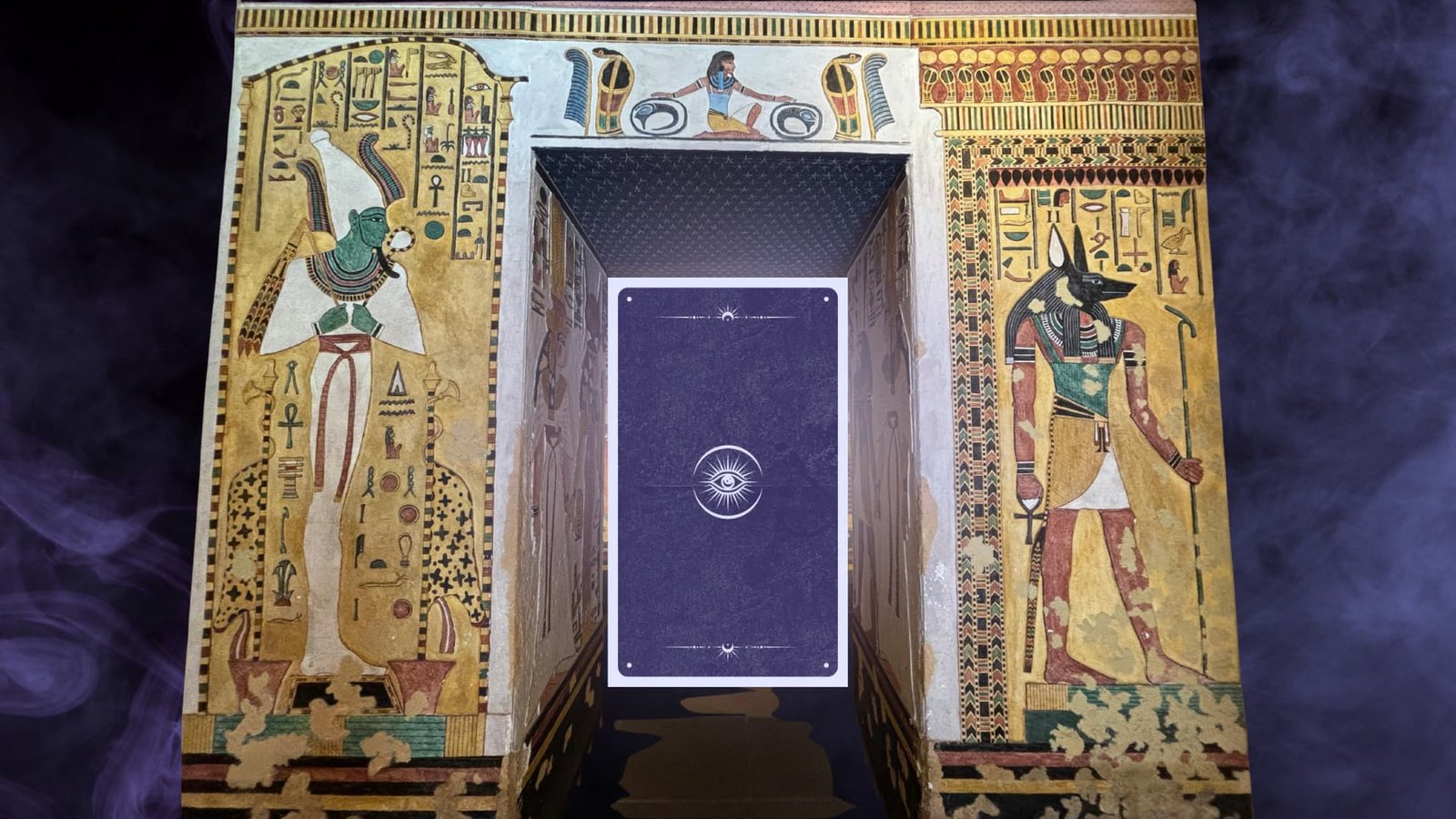
Have you ever wondered, “Was tarot really Egyptian?” This question has fascinated tarot enthusiasts and history lovers for centuries. The allure of tarot cards carries so much mystery and symbolism that many are drawn to the idea of their origins being wrapped in the mystique of ancient Egypt. From the elegant imagery to the subtle spiritual meanings, tarot seems like it should have roots in some ancient civilization with deep wisdom and secrets hidden in plain sight.
The Myth of Egyptian Origins
The idea that tarot cards come from ancient Egypt is a story that has traveled far and wide. This belief dates back to the 18th century when mystics and occult historians romanticized Egypt as the birthplace of all secret knowledge. Tarot was often linked to Egyptian priests, mysterious hieroglyphs, and sacred knowledge said to have been passed down over millennia. This narrative was appealing because Egypt was seen as a center of spiritual enlightenment, a place where life, death, and the afterlife were deeply understood—much like tarot’s themes of transformation, guidance, and the unknown.
However, if we peel back the layers of history, the Egyptian connection to tarot quickly starts to feel more like legend than fact. While ancient Egypt certainly contributed a rich symbolic language and spiritual tools to humanity, directly linking tarot to this era is more about romantic storytelling than documented history.
Tracing the True Roots of Tarot
If tarot wasn’t really Egyptian, where did it come from? The earliest tarot decks appeared in Europe, specifically in 15th-century Italy. Historical records show tarot began as a card game—Tarocchi—before evolving into the mystical divination tool we know today. Its symbolism, while rich and layered, draws from a mix of Renaissance art, medieval allegories, and esoteric traditions such as Kabbalah and astrology rather than ancient Egypt.
Nonetheless, tarot embraces universal archetypes, many of which resonate on a deep, symbolic level similar to ancient Egyptian spiritual motifs. This might explain why the connection feels so intuitive. Symbols like the Sun, the Moon, the High Priestess, and the Fool speak to timeless human experiences that transcend culture and time—offering guidance and introspection no matter where you come from.
Why the Egyptian Connection Matters
Even though tarot’s roots aren’t truly Egyptian, understanding why so many are drawn to this notion can deepen your appreciation for tarot’s spiritual power. The Egyptian myth highlights humanity’s desire to connect tarot to an ancient wisdom that feels sacred, eternal, and mysterious. It reflects how tarot is much more than just cards—it’s a bridge to the mystical, the symbolic, and the self.
At tarotisto.com, we believe the true magic of tarot lies not in its place of origin, but in the transformation it sparks within your own journey. Whether or not tarot was really Egyptian, it holds the power to awaken intuition, guide self-discovery, and inspire hope when you need it most.
Bringing It All Together
So, “Was tarot really Egyptian?” The simple answer: not exactly. The origins of tarot point to medieval Europe, with layers of inspiration borrowed from many traditions, including Renaissance symbolism and mystical philosophies. However, the spirit of tarot runs far deeper than geography or history. It’s about the personal meaning you find, the stories you create, and the insights you nurture.
Let this knowledge free you from any need to “prove” tarot’s authenticity by birthright. Instead, embrace tarot as a living, evolving tool that connects you to your intuition and creativity. Dive into the cards with an open heart, knowing that their power lies in your hands, in every spread, and every moment of reflection.
Ready to explore your tarot journey further? Visit tarotisto.com for beginner-friendly guidance, inspired readings, and practical tips to deepen your connection with the cards and yourself.
FAQ
- Was tarot really Egyptian in origin?
The historical evidence suggests tarot originated in 15th-century Europe, especially Italy, and was initially used as a card game before becoming a spiritual tool. The Egyptian origin story is more myth than fact. - Why do people associate tarot with ancient Egypt then?
The mystical aura of ancient Egypt and its association with spiritual mystery made it an attractive origin story. The symbolic nature of Egyptian culture resonates deeply with tarot’s archetypes, leading to this popular but inaccurate connection. - Does the Egyptian myth affect how tarot works?
No, tarot’s effectiveness comes from your personal intuition, symbolic interpretation, and honest reflection—not from its geographic origins. - How can I learn more about tarot’s history and symbolism?
Exploring resources tailored for tarot learners, like those at tarotisto.com, can provide clear insights and enhance your understanding of the cards’ meanings and backgrounds. - Is it important to know the history of tarot to use it effectively?
While knowing tarot’s history can deepen your appreciation, the most important thing is your personal connection with the cards. The history enriches your experience but doesn’t limit your ability to use tarot as a tool for growth and guidance.