







Tarot is more than just cards; it’s a vibrant tapestry woven through centuries and cultures, with each tradition adding its own colors and textures. From the elegant halls of Italy to the mystical depths of the Thoth deck, the story of tarot is a journey through human thought, spirit, and intuition. Exploring Tarot in Different Cultures (e.g., Italian, French, Rider-Waite, Thoth traditions) unravels the fascinating ways this ancient tool has evolved and inspired seekers around the world.
History of Tarot
The roots of tarot can be traced back to mid-15th century Europe, where it originally began as a playing card game before blossoming into a powerful divination and spiritual tool. Each cultural reinterpretation has added layers of symbolism and meaning, allowing tarot to transcend its initial purpose and serve as a mirror to the human psyche. The story of Tarot in Different Cultures (e.g., Italian, French, Rider-Waite, Thoth traditions) reveals a continuous dialogue between art, mysticism, and cultural identity.
Italian Tarot Tradition
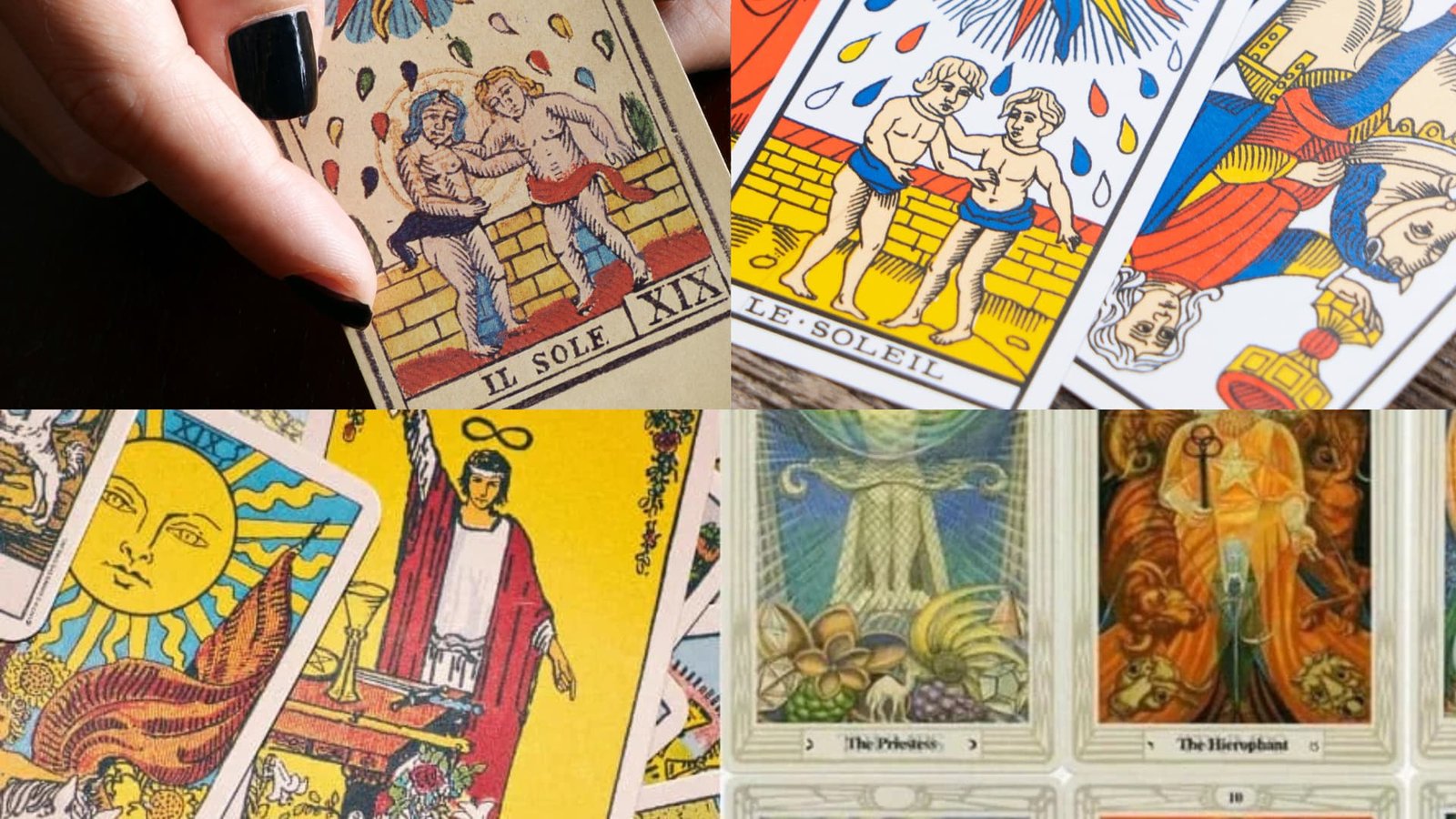
Italy is often regarded as the birthplace of tarot decks, with early creations like the Visconti-Sforza deck offering a glimpse into Renaissance aristocratic life. Italian decks tend to focus heavily on detailed illustrations and historical themes. The cultural approach here emphasizes storytelling, with cards serving as visual narratives, encouraging readers not only to interpret but to immerse themselves in the imagery. This tradition invites tarot enthusiasts to embrace symbolism rooted in history and art, nurturing a deep, intuitive connection.
French Tarot Culture
French tarot culture brings a distinctive twist, especially with the Tarot de Marseille, one of the oldest and most influential patterns. Known for its striking simplicity and powerful archetypes, this French tradition centers on clear lines and vibrant colors that stimulate both rational analysis and emotional insight. In this tradition, tarot becomes a practical tool for reflection, used widely in France not only for divination but also in social and leisure settings. It demonstrates how tarot can merge everyday life with spiritual curiosity.
The Rider-Waite Deck
The Rider-Waite deck, created in the early 20th century, revolutionized tarot by introducing rich, detailed imagery for every card, including the traditionally less illustrated Minor Arcana. Designed by artist Pamela Colman Smith under the guidance of Arthur Edward Waite, this deck brought tarot to an English-speaking audience and beyond. Its vivid symbolism and narrative style remain the go-to deck for many beginners and seasoned readers alike, emphasizing storytelling and visualization as keys to unlocking tarot’s mysteries.
The Thoth Tarot Tradition
On the darker, more esoteric side of tarot stands the Thoth deck, designed by Aleister Crowley and painted by Lady Frieda Harris. This deck weaves together astrology, numerology, and Kabbalah, offering a multi-layered symbolic landscape that appeals to those seeking a profound spiritual journey. The Thoth tradition invites tarot enthusiasts to dive beyond surface meanings and explore tarot as a tool for deep transformation and occult wisdom. It’s where the mystical and the scholarly meet in a dance of illuminated insight.
Why Explore Tarot in Different Cultures?
Understanding Tarot in Different Cultures (e.g., Italian, French, Rider-Waite, Thoth traditions) enriches your connection to the cards by revealing new perspectives and layers of meaning. Each tradition resonates differently with individuals—not only expanding your spiritual toolkit but also cultivating empathy and cultural appreciation. By exploring these varied tarot languages, readers can develop a more intuitive, personalized practice that honors both history and personal insight. It’s a beautiful reminder that tarot is not one-size-fits-all but a living, breathing art that grows with you.
Conclusion
Discovering Tarot in Different Cultures (e.g., Italian, French, Rider-Waite, Thoth traditions) is like traveling across time and spirit, touching the hearts and minds of countless souls who have looked to these cards for guidance. Whether you feel drawn to the classic Italian decks, the profound esotericism of the Thoth tradition, or the accessible vibrancy of Rider-Waite, each culture invites you to deepen your journey of self-awareness and transformation. For those ready to explore and connect more deeply with the tarot’s rich tapestry, tarotisto.com is your supportive companion, offering insights and resources to inspire your path.
FAQ
- What makes each tarot tradition unique?
Each tarot tradition reflects the cultural, historical, and spiritual influences of its origin. Italian decks often highlight artistic storytelling, French decks focus on archetypal clarity, Rider-Waite features rich symbolism across all cards, and Thoth combines occult sciences for deep spiritual exploration. - Can I mix different tarot decks in my practice?
Absolutely! Many readers enjoy blending insights from multiple decks to enrich their readings. Exploring Tarot in Different Cultures helps you understand the nuances each deck brings, encouraging a more dynamic and personalized approach. - Which tarot tradition is best for beginners?
The Rider-Waite deck is often recommended for beginners due to its clear images and abundant symbolism. However, exploring other traditions can deepen your understanding and intuition as you grow in your practice. - How can learning about tarot cultures enhance my readings?
Knowing the cultural context behind tarot decks allows you to connect more authentically with the cards, unlocking richer interpretations and more meaningful guidance. This broader perspective nurtures both your intuition and analytical skills. - Where can I learn more about tarot traditions and improve my readings?
Tarotisto.com offers a wealth of resources and community support to help you dive deeper into Tarot in Different Cultures (e.g., Italian, French, Rider-Waite, Thoth traditions) and refine your skills with confidence.