
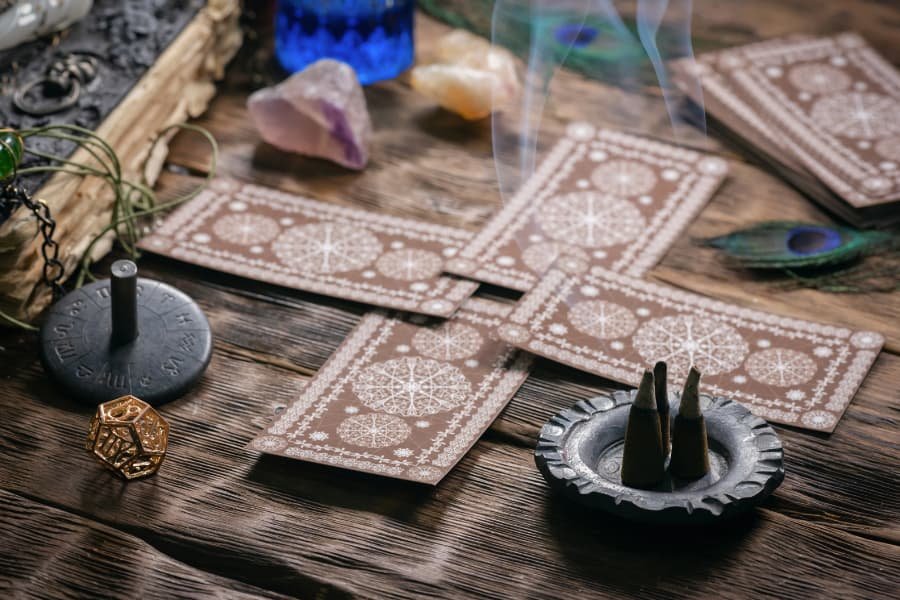








Imagine a deck of cards that does more than predict the future—a deck that opens a window into the rich tapestry of human culture, mythology, and collective storytelling. Tarot, with its vivid illustrations and layered symbolism, serves as a magnificent tool for cultural storytelling, connecting us to ancient wisdom and shared human experiences in a deeply spiritual and emotional way.
Understanding Tarot as a Tool for Cultural Storytelling
At its core, tarot is far more than just cards with mystical powers. It reflects the stories, myths, and spiritual traditions of cultures throughout history. Each card features imagery drawn from rich historical, religious, and archetypal sources, weaving tales from ancient Egypt, Kabbalah, Christian symbolism, and medieval Europe, among others. When we consider tarot as a tool for cultural storytelling, we recognize how these cards serve as vessels for collective memory and wisdom passed down through generations.
Exploring tarot through this lens reveals that each spread is like turning the pages of a living storybook. The Fool’s journey is not just a personal quest but also a universal narrative of growth and transformation, echoing myths and legends shared across civilizations. This beautiful fusion of personal and cultural narrative makes tarot readings uniquely evocative and spiritually profound.
The Power of Symbolism in Tarot Cards
Symbols are the language of the soul—and tarot is rich with them. From the Wheel of Fortune’s turning cycles to the High Priestess’s moonlit mysteries, each card uses imagery to tell stories embedded in mythology, folklore, and cultural tradition. These symbols invite us into a dialogue with the unconscious mind, awakening deep emotions and guiding introspection.
When you hold a tarot deck or draw a card in a spread, you’re interacting with centuries of cultural expression. This is why tarot resonates strongly across different societies and eras. The cards don’t just speak to individuals but echo broader human experiences—love, loss, courage, fear, and hope—that are universal yet uniquely expressed through each culture’s symbolism.
Why Cultural Storytelling Through Tarot Matters
Recognizing tarot as a tool for cultural storytelling opens new dimensions of meaning in your practice or study. It’s a reminder that tarot isn’t simply divination; it’s a bridge connecting you to ancestral wisdom and diverse worldviews. This perspective enriches your relationship with the deck, fostering deeper empathy and insight.
Cultural storytelling through tarot helps us appreciate how interconnected we are—across time, geography, and belief systems. It encourages us to honor the narratives that shaped human consciousness and to embrace the shared symbols that unite us. Most importantly, engaging with tarot in this way empowers you to become a storyteller of your own life, weaving your personal journey into the grand human saga.
Bringing It All Together
When you explore tarot as a tool for cultural storytelling, you embark on a journey that is both personal and communal. Tarot cards are not just guides to your inner world—they are storytellers par excellence, narrating tales that span cultures, eras, and archetypes. This approach transforms your tarot experience into a rich exploration of heritage and self-discovery.
Whether you’re a curious beginner or a seasoned reader, understanding tarot’s storytelling power invites you to connect more deeply with the cards—and with yourself. For those interested in diving deeper into how tarot bridges culture, mythology, and personal transformation, tarotisto.com offers insightful resources and communities to guide your journey. Embrace the magic of tarot as a living archive of human stories, and let it inspire your path forward.
FAQ
- What does it mean to use tarot as a tool for cultural storytelling?
It means viewing tarot cards not only as a method for divination but as a medium that preserves and shares stories, symbols, and lessons from various cultures throughout history. This broadens tarot’s significance beyond personal insight to a cultural and spiritual dialogue. - How can understanding tarot’s cultural background improve my readings?
By appreciating the myths, archetypes, and symbolism behind tarot cards, your interpretations become richer and more nuanced. This awareness connects you to universal themes and deepens your emotional and spiritual resonance during readings. - Are tarot cards linked to any specific culture or mythology?
Tarot cards blend influences from many sources, including Egyptian symbolism, Christian iconography, Kabbalistic teachings, and Renaissance art. This fusion creates a versatile system reflecting a shared human heritage rather than a single culture. - Can anyone use tarot for cultural storytelling, or does it require special knowledge?
Anyone can explore tarot as a tool for cultural storytelling, though having some knowledge of history, mythology, and symbolism can enhance the experience. Resources and guides on tarotisto.com can support you in gaining deeper understanding. - Why is tarot considered spiritually valuable beyond fortune-telling?
Tarot’s spiritual value lies in its role as a bridge between the conscious and unconscious, the personal and collective. It invites reflection on life’s mysteries through symbolic storytelling, offering wisdom that transcends simple prediction.