
Beginner guides




Beginner Tarot Guides: Learn the Foundations of Tarot
Starting with tarot can feel overwhelming due to the number of decks, spreads, and card meanings. Beginner tarot guides provide a structured way to learn the basics, develop confidence, and connect intuitively with your deck. Whether you want to read for yourself or others, these guides cover essential topics to help you start your tarot journey.
What Are Beginner Tarot Guides?
Beginner tarot guides are instructional resources designed for new readers. They focus on:
Understanding tarot structure and symbolism
Learning practical reading techniques
Building intuition and confidence
Applying tarot in everyday life
These guides help novices gain clarity and establish a foundation for future learning.
Key Beginner Topics
How to Shuffle Tarot Cards
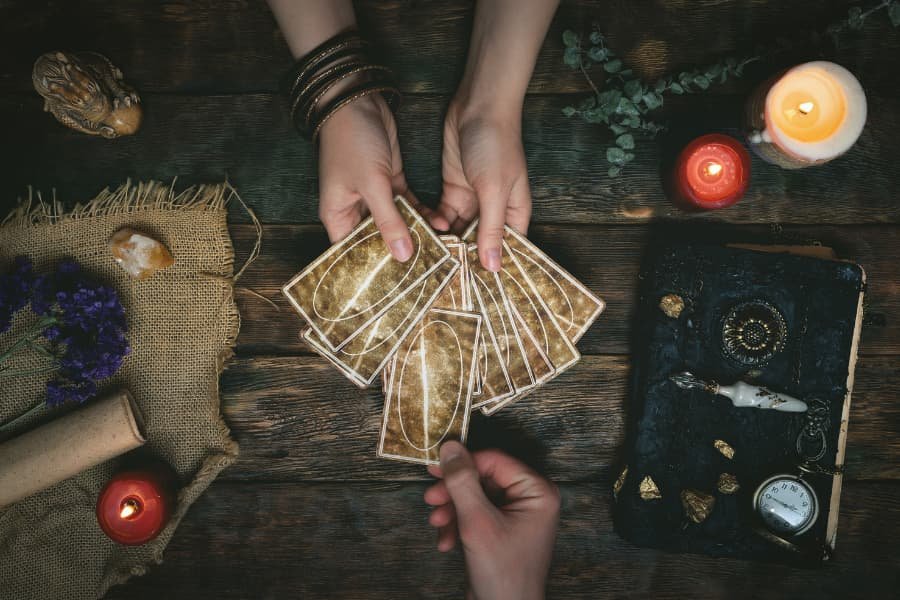
Shuffling is a critical first step in every tarot reading. Beginner guides often teach multiple methods, including:
Overhand shuffle: Simple and controlled, suitable for small decks
Riffle shuffle: Combines precision and rhythm
Pile shuffle: Spreads cards on a surface, then gathers them randomly
Intuitive shuffle: Shuffling with focus on energy, intention, or a question
Learning different shuffling techniques ensures your deck is energized and ready for accurate readings.
How Tarot Works
Understanding how tarot works helps beginners connect with the cards on a deeper level. Tarot readings combine symbolism, intuition, and energy to provide guidance, insight, and reflection. Each card represents archetypes, life lessons, or potential outcomes that the reader interprets based on context, position, and surrounding cards.
What Is Tarot?
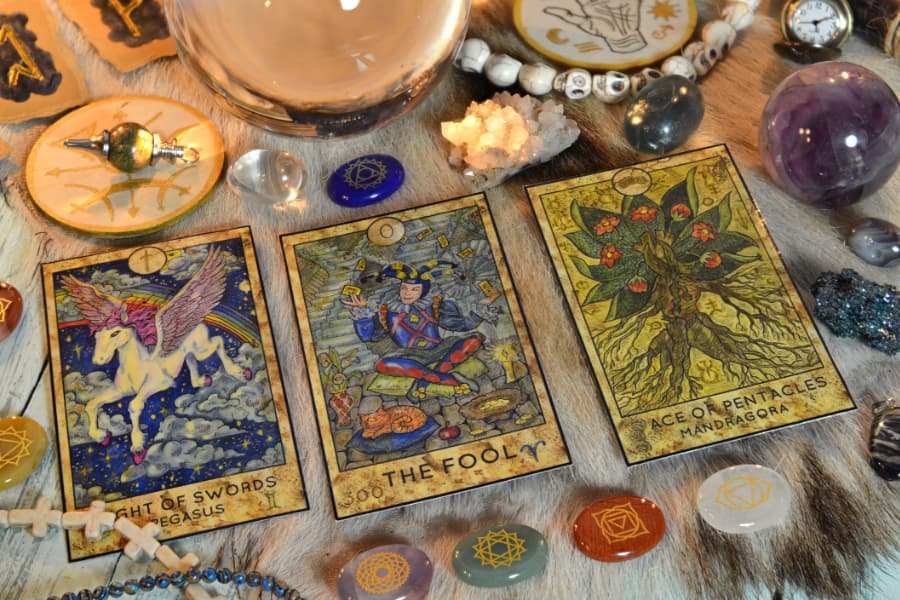
Tarot is a divination system using a 78-card deck, including the Major Arcana (archetypal life lessons) and Minor Arcana (daily experiences, divided into four suits). It is a tool for self-reflection, decision-making, and spiritual insight. Beginner guides often explain the history, structure, and purpose of tarot.
How Many Cards to Draw in a Reading
Beginners often wonder how many cards to draw. Common spreads include:
Single card: Quick insight or daily guidance
Three-card spread: Past, present, future or situation, action, outcome
Celtic Cross: In-depth exploration of challenges, influences, and potential outcomes
Choosing the right number of cards depends on the question, reader experience, and desired depth.
What Is a Tarot Reading?
A tarot reading is the process of drawing cards to gain insight or guidance. Beginner guides explain:
How to interpret card meanings in context
How to connect with the querent’s energy or your own
How spreads and positions influence meaning
Tarot Definition
Tarot is defined as a tool for divination and personal insight, combining symbolism, archetypes, and intuition. It provides guidance on relationships, career, personal growth, and life decisions.
Difference Between Oracle and Tarot
Oracle decks differ from tarot in structure and purpose:
Oracle decks: Flexible, varying number of cards, broad guidance
Tarot decks: Standard 78-card structure, detailed archetypes, structured reading methods
Beginner guides clarify these differences to help new readers choose the right tool for their needs.
Why Beginner Guides Matter
Beginner tarot guides:
Build confidence in reading tarot cards
Teach the fundamentals of symbolism, spreads, and techniques
Help establish a consistent tarot practice
Support intuitive development and personal growth
Starting with beginner guides ensures a solid foundation, making your journey with tarot enjoyable, insightful, and effective.