
Cultures

Tarot in Cultures: Global Traditions, Interpretations, and Practices
Tarot is a universal language of symbolism, intuition, and storytelling. Though it originated in Europe, tarot has been adopted, adapted, and reinterpreted across countless cultures. Each society brings its own spiritual values, artistic styles, and symbolic traditions to the cards, making tarot a rich reflection of cultural diversity and shared human experience.
Cultural Variations in Tarot Deck Design
Across the world, tarot decks display unique visual and symbolic differences. For instance:
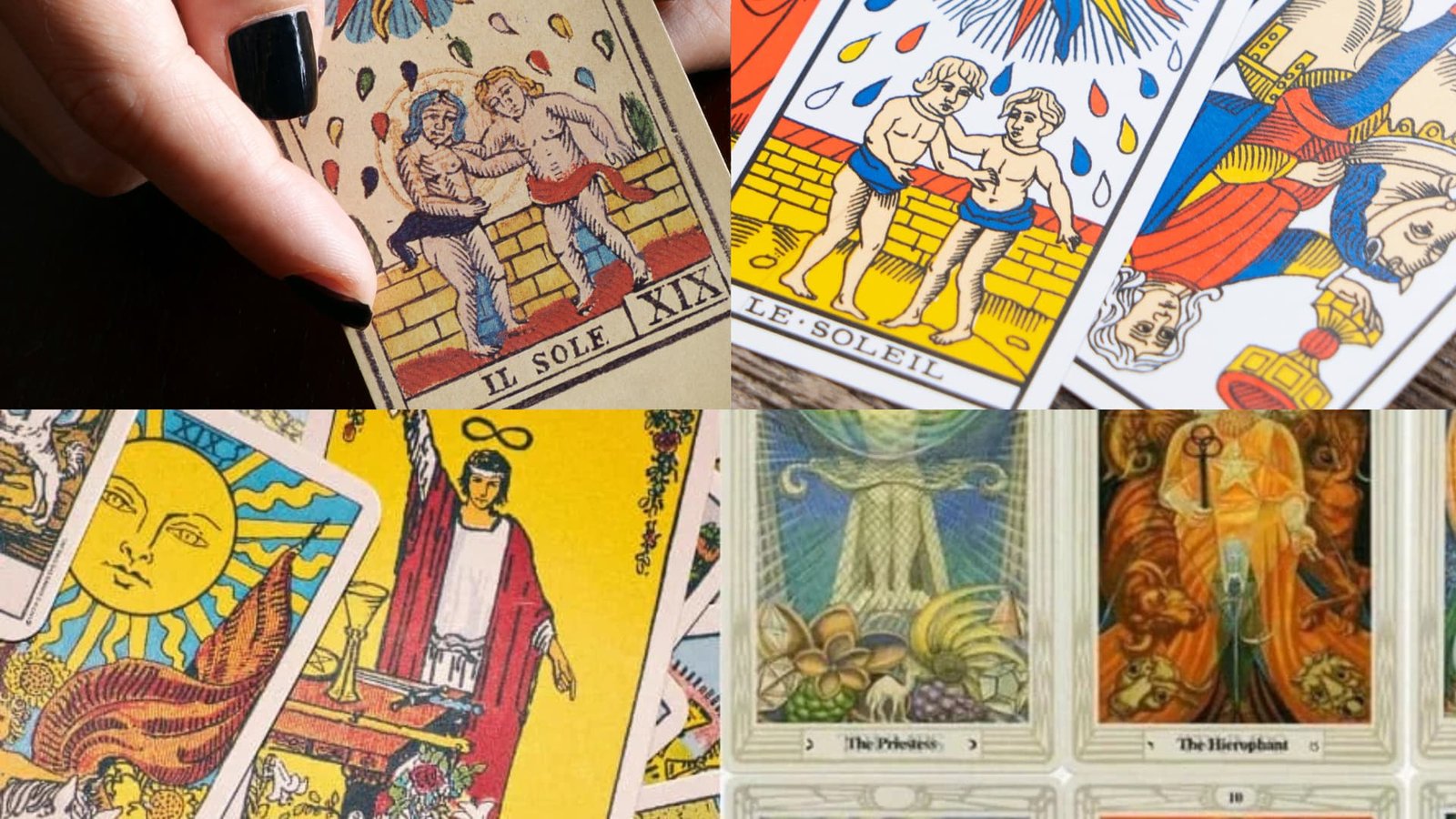
Italian and French decks often maintain historical art styles, drawing on Renaissance and medieval motifs.
Japanese-inspired decks might emphasize minimalism, harmony, and spiritual balance through soft watercolor imagery.
African or Indigenous tarot decks integrate ancestral symbols, storytelling traditions, and nature-based spirituality.Each cultural adaptation adds layers of meaning, showing how tarot’s universal archetypes can be expressed through different worldviews.
Cultural Differences in Depicting The Fool
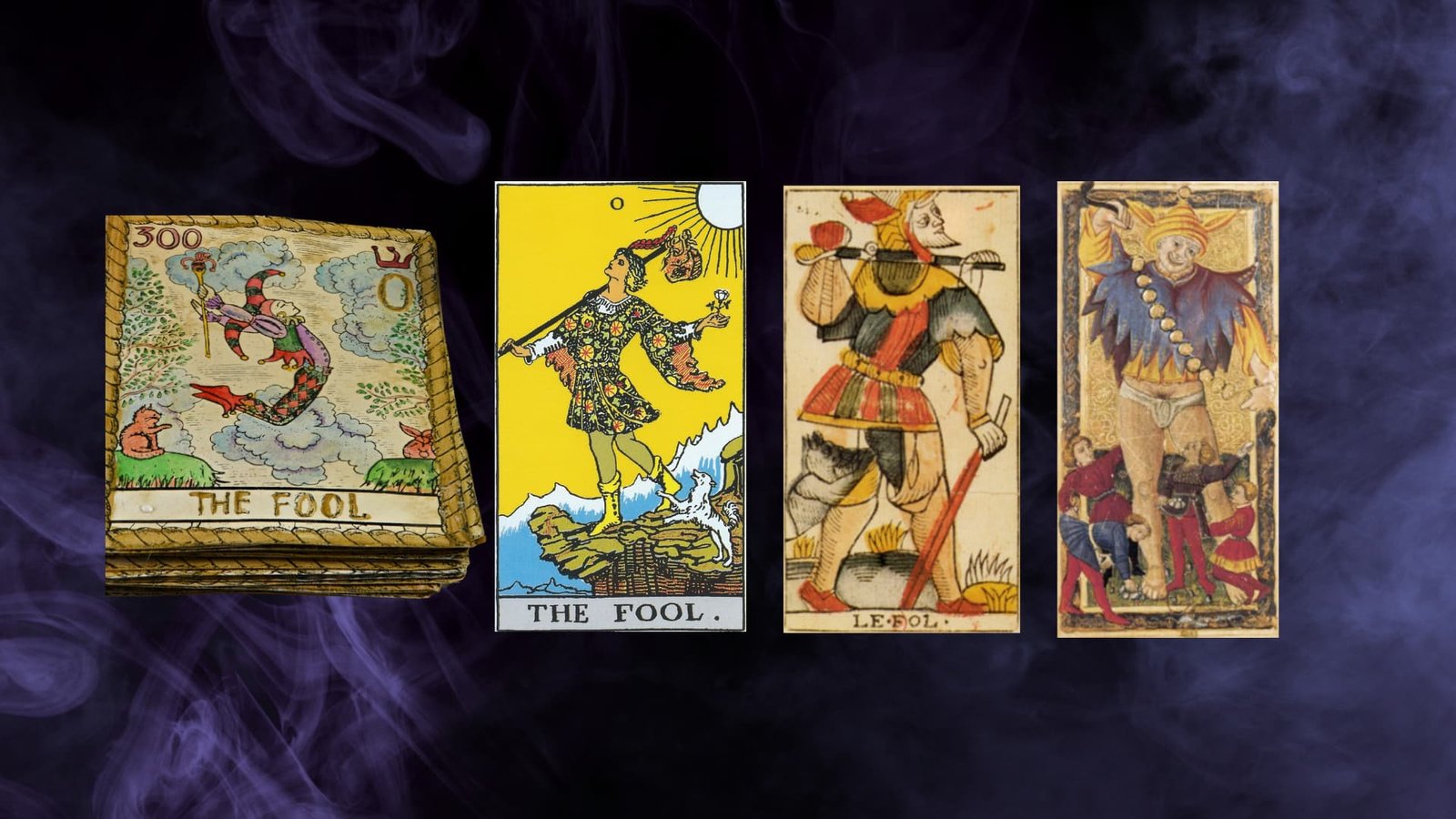
The Fool, the first card of the Major Arcana, is a fascinating study in cultural variation.
In European decks, The Fool is often portrayed as a wanderer or trickster—naïve yet open to experience.
In Eastern-inspired decks, the Fool might symbolize spiritual awakening, reflecting Buddhist or Taoist ideas of enlightenment and the beginner’s mind.
In Indigenous or tribal interpretations, The Fool may represent the seeker’s connection to the earth—a journey of harmony with nature and community.
These differences highlight how cultural perspectives shape tarot’s core archetypes while maintaining universal symbolism.
Tarot and Cultural Storytelling
In many traditions, tarot acts as a bridge between storytelling and spirituality. Artists and readers use tarot to retell cultural myths, folk tales, and ancestral legends.
Celtic tarot decks might reference druidic wisdom or the legends of King Arthur.
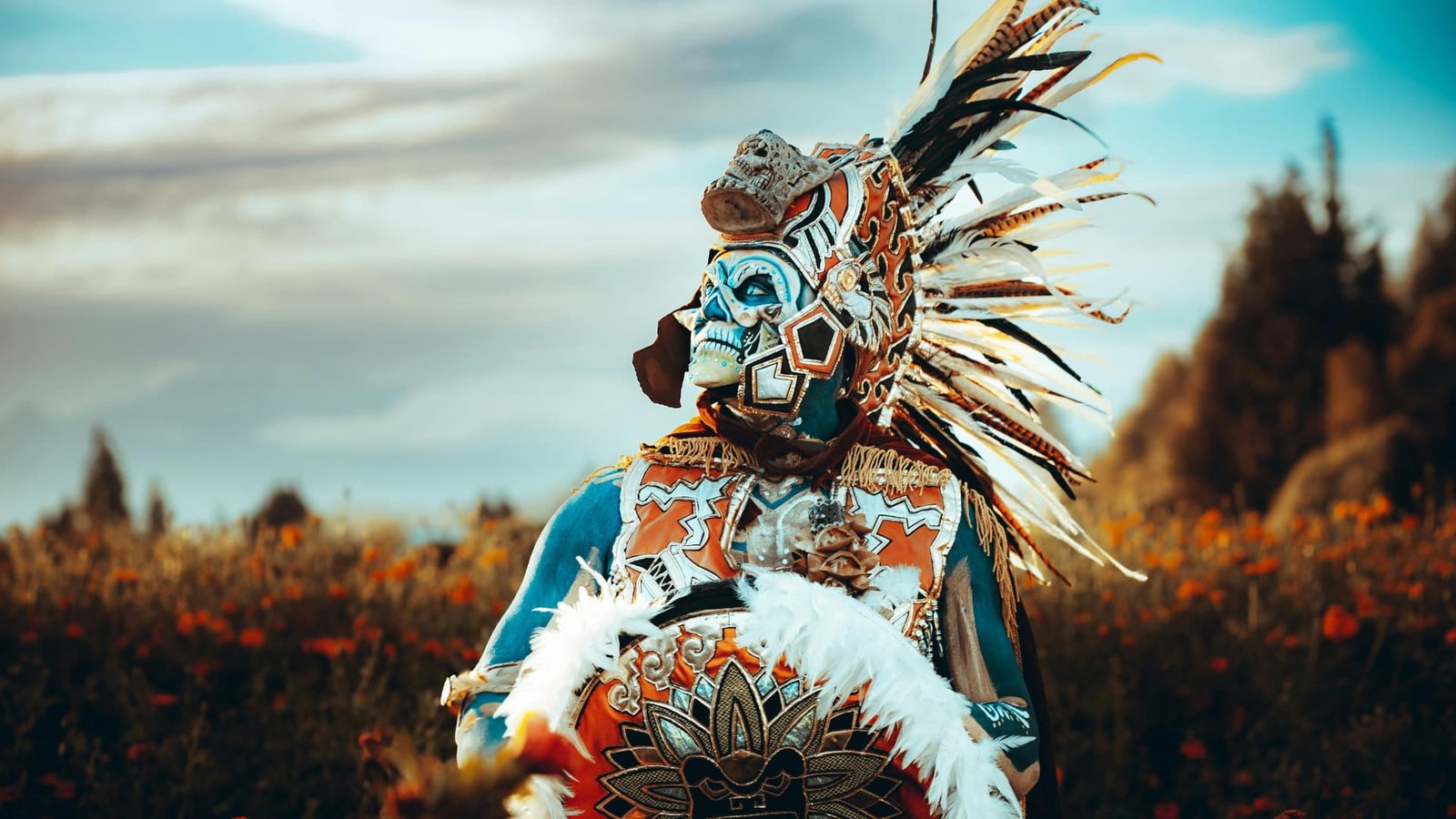
Mexican tarot decks, such as the Día de los Muertos Tarot, celebrate ancestral remembrance and transformation.
Egyptian-inspired decks reimagine the tarot through gods and symbols of the afterlife.
These decks connect tarot’s archetypal journey with timeless cultural stories, turning every reading into an act of mythic retelling.
Cultural Rituals and Tarot Readings
Different societies approach tarot readings with distinct customs and rituals:
In Latin American traditions, tarot may be combined with candles, prayer, or ancestor offerings.
In Asian settings, readings might incorporate astrology, numerology, or meditation.
In Western traditions, tarot is often paired with journaling, affirmations, or spiritual coaching.
These cultural practices emphasize that tarot is not just about prediction—it’s about connection, meaning, and ritual.
Cultural Interpretations of Major Arcana
While the cards are universal, their meanings shift across cultures:
The Fool can represent innocence in one culture and divine madness in another.
Death, often feared in the West, is seen as rebirth or renewal in many Indigenous or Eastern interpretations.
The Lovers may symbolize romantic union in European decks but represent balance and spiritual harmony in Eastern-influenced designs.
These cultural reinterpretations remind readers that tarot’s symbols are fluid, shaped by belief systems, mythologies, and moral values.
Modern vs. Traditional Tarot Practices Across Cultures
Tarot’s global spread has created a balance between tradition and innovation.
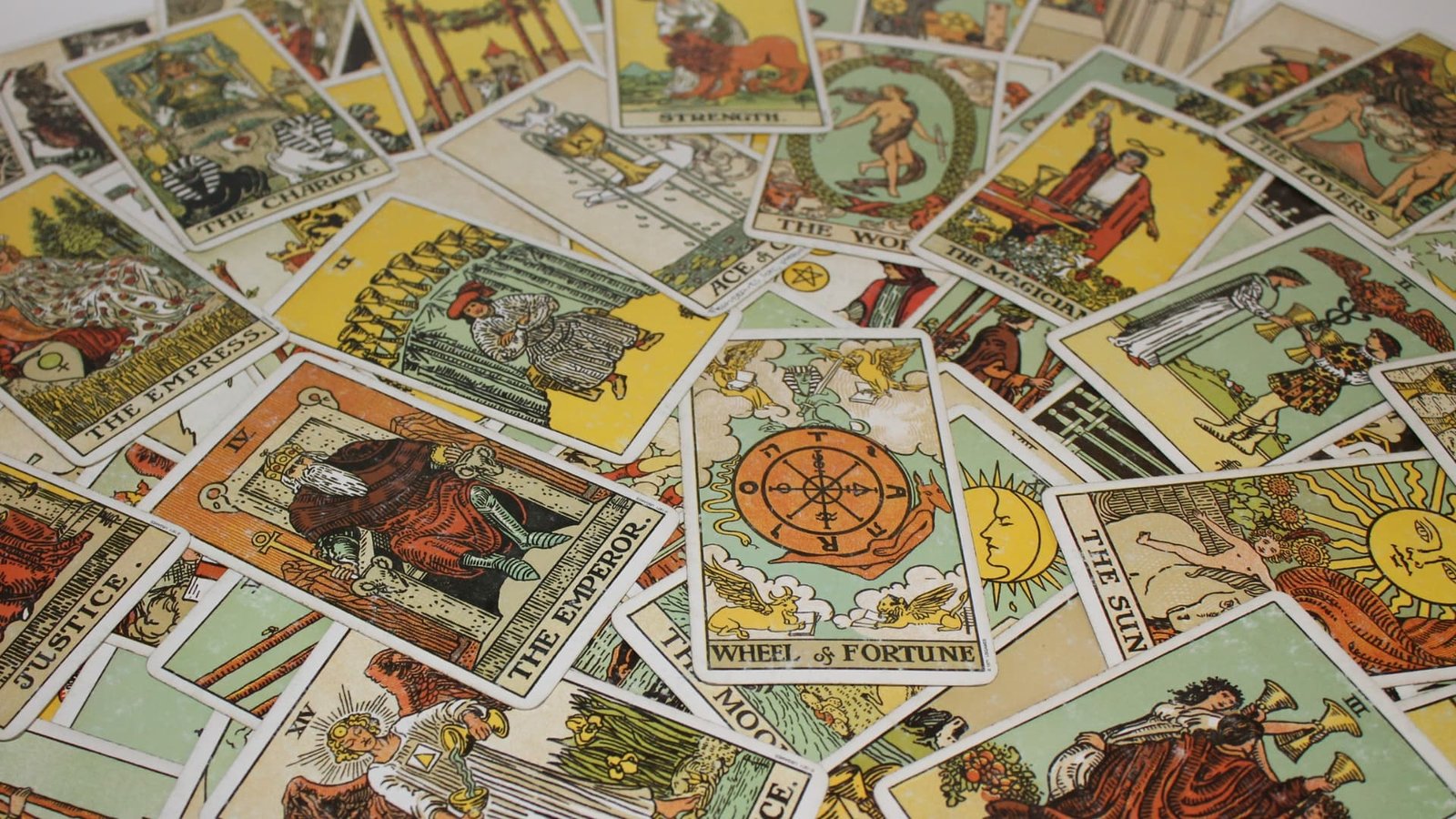
Traditional practices emphasize ritual, structure, and symbolism grounded in historical decks like the Rider-Waite-Smith or Tarot de Marseille.
Modern practices adapt tarot for self-help, therapy, and mindfulness—often blending Western psychology with Eastern philosophy.
Digital tarot, through apps and online readings, has introduced a new, globalized culture of accessibility and creativity.
These shifts reflect tarot’s evolving role as a living, adaptive spiritual language.
The Role of Tarot in Indigenous Spiritual Practices
In Indigenous communities, tarot is sometimes incorporated into ancestral and spiritual practices as a reflective or meditative tool. Readers may combine tarot with oral storytelling, ritual cleansing, or shamanic symbolism. While tarot itself did not originate within Indigenous cultures, many modern practitioners use it respectfully and intentionally, integrating it with native cosmologies to honor both traditions.
Tarot in Different Cultures and Traditions
Throughout history, tarot has taken on many regional identities:
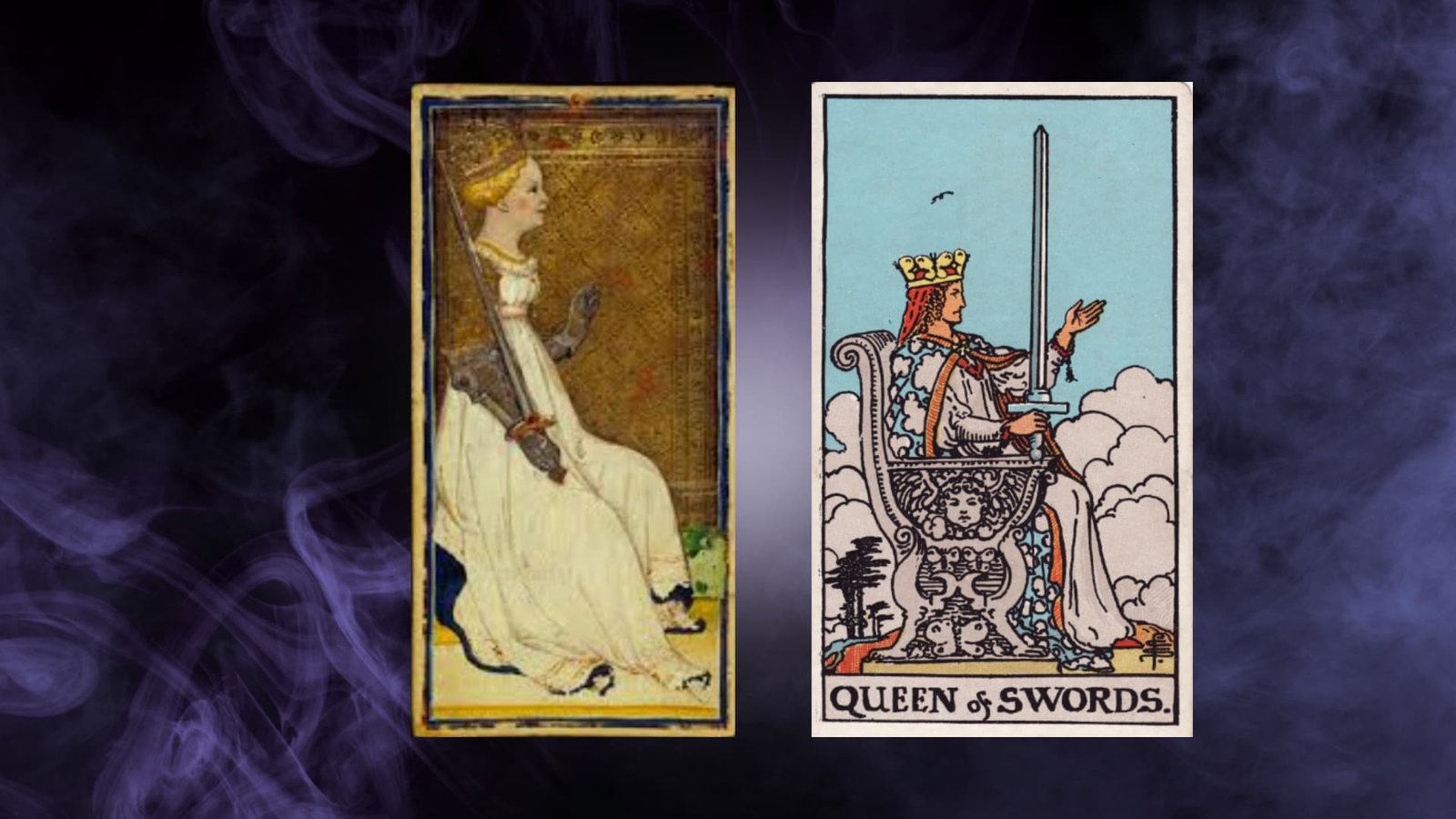
Italian decks such as the Visconti-Sforza established early tarot art and symbolism.
French decks like the Tarot de Marseille shaped the structure and numerology of modern tarot.
British and American traditions, including the Rider-Waite-Smith and Thoth decks, popularized tarot’s modern esoteric interpretations.
Each tradition offers a distinct perspective—some focused on art and philosophy, others on mysticism and intuitive symbolism.
Tarot in Modern Pop Culture
Today, tarot appears in films, television, art, and literature around the world. From European dramas to Hollywood blockbusters and anime series, tarot’s imagery is used to symbolize fate, transformation, or mystery.This global visibility has transformed tarot from a niche spiritual tool into a mainstream cultural icon—bridging mysticism and art in contemporary storytelling.
Why Understanding Tarot in Cultures Matters
Studying tarot through cultural lenses allows readers to:
Appreciate tarot’s artistic and symbolic diversity
Understand how beliefs shape interpretation
Read cards with cultural respect and awareness
See tarot as a shared, evolving human tradition
Tarot’s cultural journey reflects our collective search for meaning—across time, geography, and belief systems.