
Mythology

Tarot and Mythology: Exploring the Stories Behind the Cards
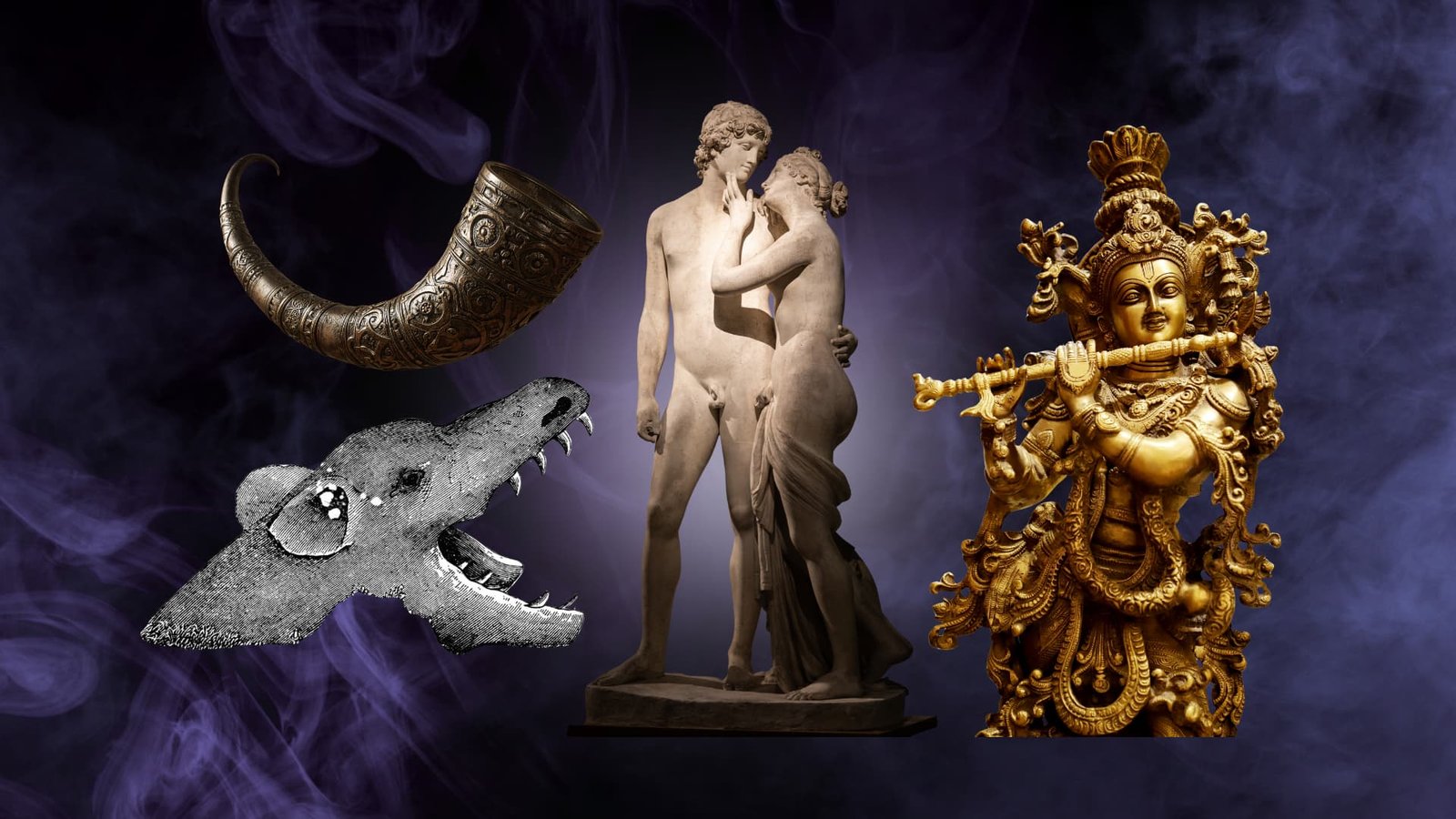
Tarot is a visual storytelling system, rich in symbols, archetypes, and narratives drawn from cultures around the world. Mythology informs tarot’s imagery and meanings, providing a framework for understanding human experience, spiritual growth, and universal truths. From Greek gods to Hindu deities, Norse legends to African folk tales, mythology shapes the archetypes and symbolism embedded in every deck.
Mythology and Tarot: How Cultural Myths Influence Card Meanings
Every tarot deck is a reflection of cultural storytelling. Mythology informs how readers interpret the cards:
Greek myths emphasize heroism, morality, and transformation.
Norse legends explore destiny, sacrifice, and cosmic cycles.
Hindu mythology highlights spiritual lessons, karma, and divine guidance.
African folk tales and Japanese folklore embed cultural wisdom, ancestral knowledge, and moral narratives.
By studying these myths, tarot readers gain a richer understanding of archetypes, symbolism, and the universal patterns that connect human experiences across time and place.
Greek Mythology Cards in Tarot
Greek mythology has long influenced tarot imagery:
The Empress may draw on Demeter, goddess of fertility and the harvest.
The Lovers echo the story of Eros and Psyche, symbolizing love and the soul’s union.
The Tower recalls Zeus’ lightning, representing upheaval and sudden insight.
The Hanged Man parallels Prometheus, sacrificing for higher knowledge.
Greek myth emphasizes the hero’s journey, moral dilemmas, and divine intervention — themes that resonate through tarot’s Major Arcana.
Norse Mythology and Tarot Interpretation
Norse mythology provides a rich lens for interpreting tarot, particularly archetypes of strength, transformation, and fate:
The Wheel of Fortune mirrors the Norns, weavers of destiny.
The Hermit reflects Odin’s wisdom, gained through sacrifice.
Death symbolizes cyclical endings and rebirth, echoing Ragnarök.
Strength embodies courage and resilience in the face of cosmic challenges.
Norse symbols highlight tarot’s connection to destiny, moral choice, and the balance between human agency and universal law.
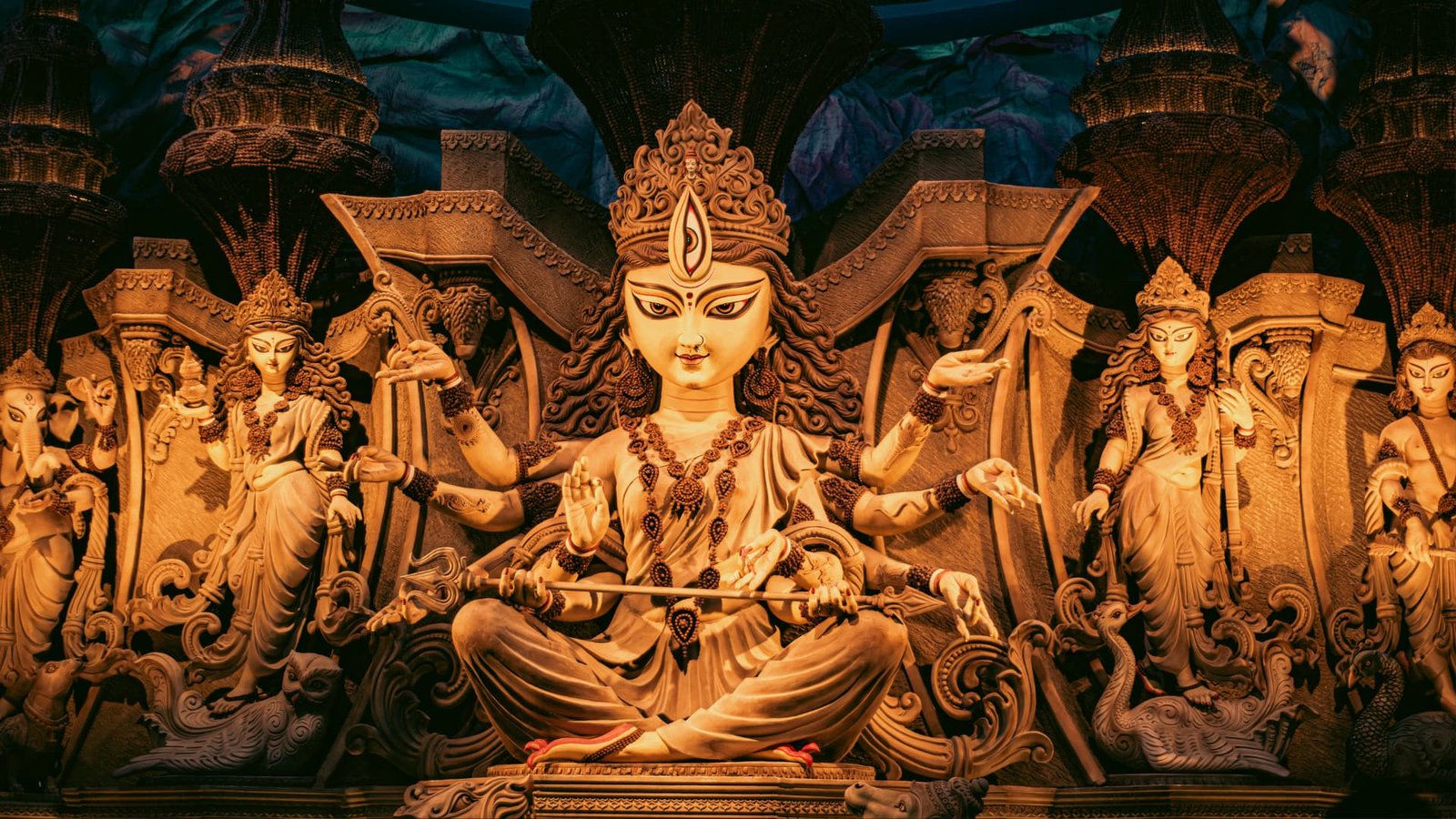
Tarot Cards Influenced by Hindu Mythology
Hindu mythology offers rich archetypes for tarot:
The Magician can embody Ganesha, remover of obstacles and guide of new beginnings.
The High Priestess reflects Saraswati, goddess of wisdom and learning.
The Emperor parallels Indra, the god of authority and order.
The Chariot may draw from Kartikeya, symbolizing mastery, discipline, and victory.
These archetypes provide spiritual depth and cultural resonance, making tarot a tool for meditation, reflection, and understanding dharma.
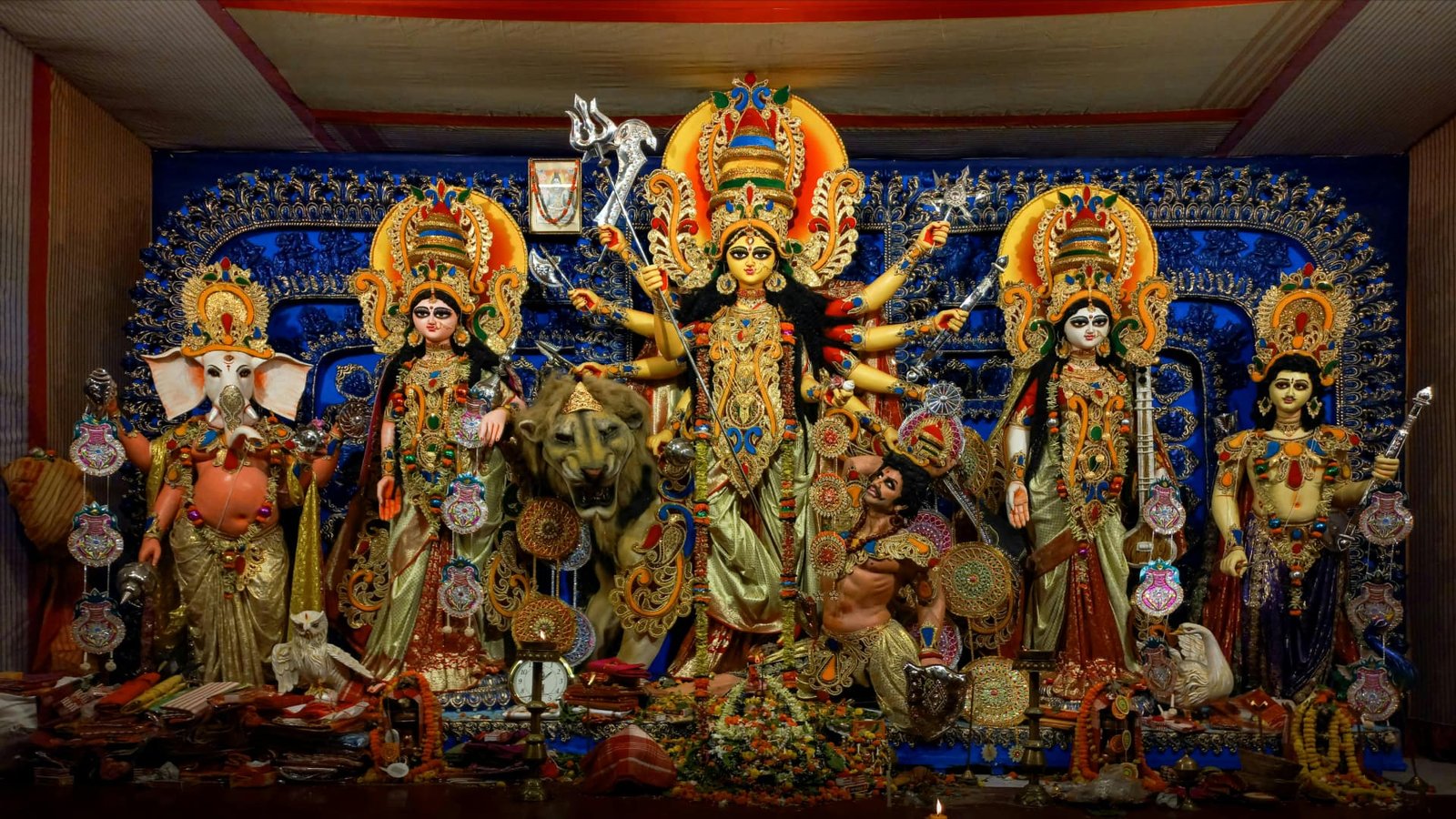
Hindu Deities as Tarot Archetypes
Beyond individual cards, many decks explicitly incorporate Hindu deities as archetypes:
Divine feminine energy appears in cards like the Empress and Strength.
Cosmic justice and karmic law are reflected in the Justice card.
Transformation and endings in Death may align with Shiva, the destroyer and rebuilder.
This integration of deities bridges symbolic storytelling with spiritual teaching, offering tarot readers guidance rooted in rich mythic tradition.
Tarot and African Folk Tales
African folklore often inspires tarot decks and interpretations, blending ancestral wisdom, morality tales, and natural symbolism.
Animal archetypes represent human virtues and challenges.
Storytelling traditions provide narrative depth for each card, turning readings into living myths.
African tarot may integrate divination techniques or oral histories to create contextually rich readings.
These decks emphasize community, ancestral connection, and moral reflection alongside the universal tarot archetypes.
Tarot and Japanese Folklore
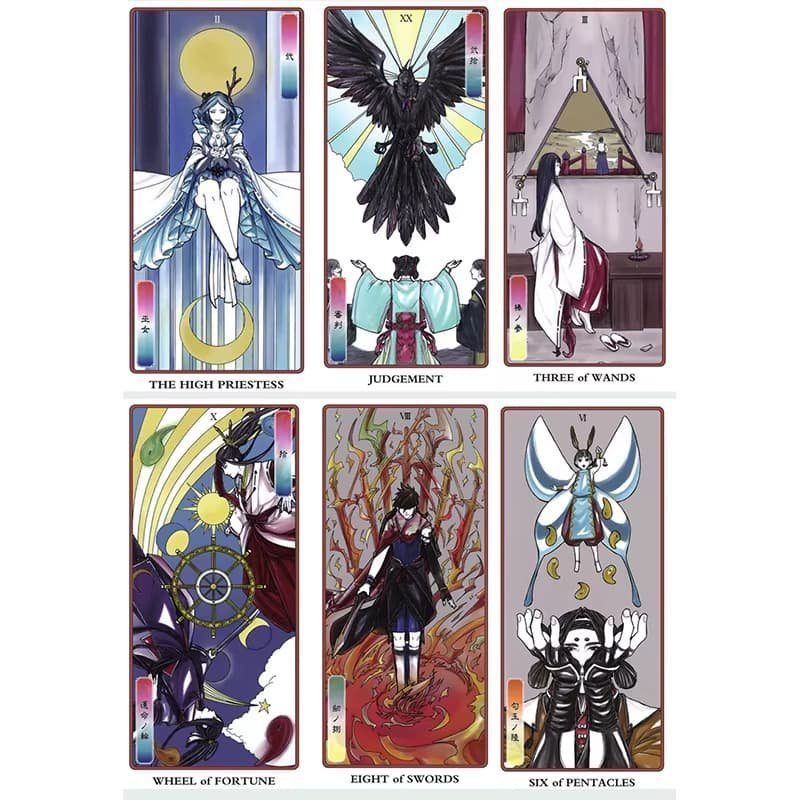
Japanese-inspired tarot decks draw from shintoism, folklore, and nature symbolism:
Kitsune (foxes) appear as guides in intuitive decks, symbolizing cunning and adaptability.
Folktale heroes mirror the Fool’s journey of adventure and transformation.
Seasonal imagery and natural cycles reflect the balance between human life and the natural world.
These decks show how cultural myth shapes card design, interpretation, and meditative practice.
Tarot as a Tool for Cultural Storytelling
Across all cultures, tarot serves as a medium for storytelling. Each deck is a cultural narrative, where archetypes, symbols, and myths converge:
Tarot readings become interactive myths, with readers and querents co-creating meaning.
Cards convey moral lessons, personal insight, and spiritual guidance.
Mythology informs both the visual language of the cards and the interpretive lens used in readings.
By understanding tarot’s mythological roots, readers can deepen intuition, enhance symbolic interpretation, and connect with universal human stories.
Why Mythology Matters in Tarot
Studying mythology in tarot allows readers to:
Recognize cross-cultural archetypes and symbols.
Understand the spiritual, moral, and philosophical depth of each card.
Enrich personal readings through narrative and symbolic context.
Connect tarot practice to global traditions and stories, fostering respect and awareness.
In essence, tarot is not merely a tool for prediction — it is a living library of myths, legends, and archetypes that guides, inspires, and teaches.