
Traditions & lineages
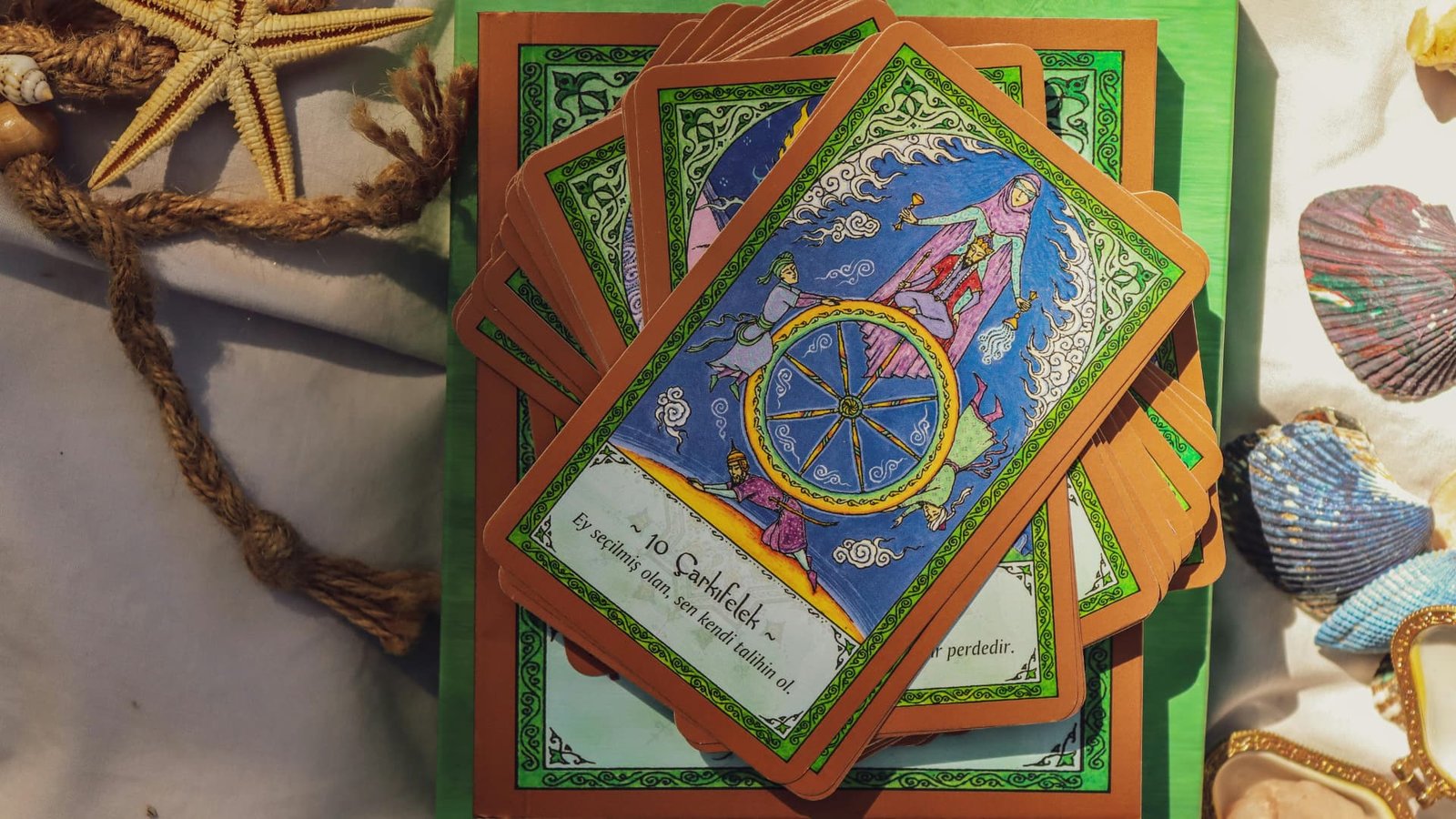

Tarot Traditions & Lineages: The Global Evolution of Tarot Practice
Tarot has never belonged to a single culture or era. From Renaissance Europe to African divination traditions and Asian spiritual practices, tarot has evolved through countless reinterpretations — each culture adding its own rhythm, ritual, and philosophy. Understanding tarot’s traditions and lineages offers a window into the spiritual and symbolic diversity that has shaped how the cards are read and understood today.
The European Roots of Tarot
Tarot’s earliest recorded forms trace back to 15th-century Italy, where decks like Tarocchi di Visconti-Sforza were used not for divination but as elaborate playing cards. As tarot spread through Europe, it began to merge with mystical, philosophical, and esoteric traditions, especially during the Renaissance and Enlightenment eras.
Italian vs. French Tarot Schools
Two major European schools defined tarot’s early development:
The Italian school emphasized artistry and storytelling, with lavish decks that reflected the era’s fascination with nobility, myth, and human virtue. Early Italian decks were precursors to the symbolic systems used today.
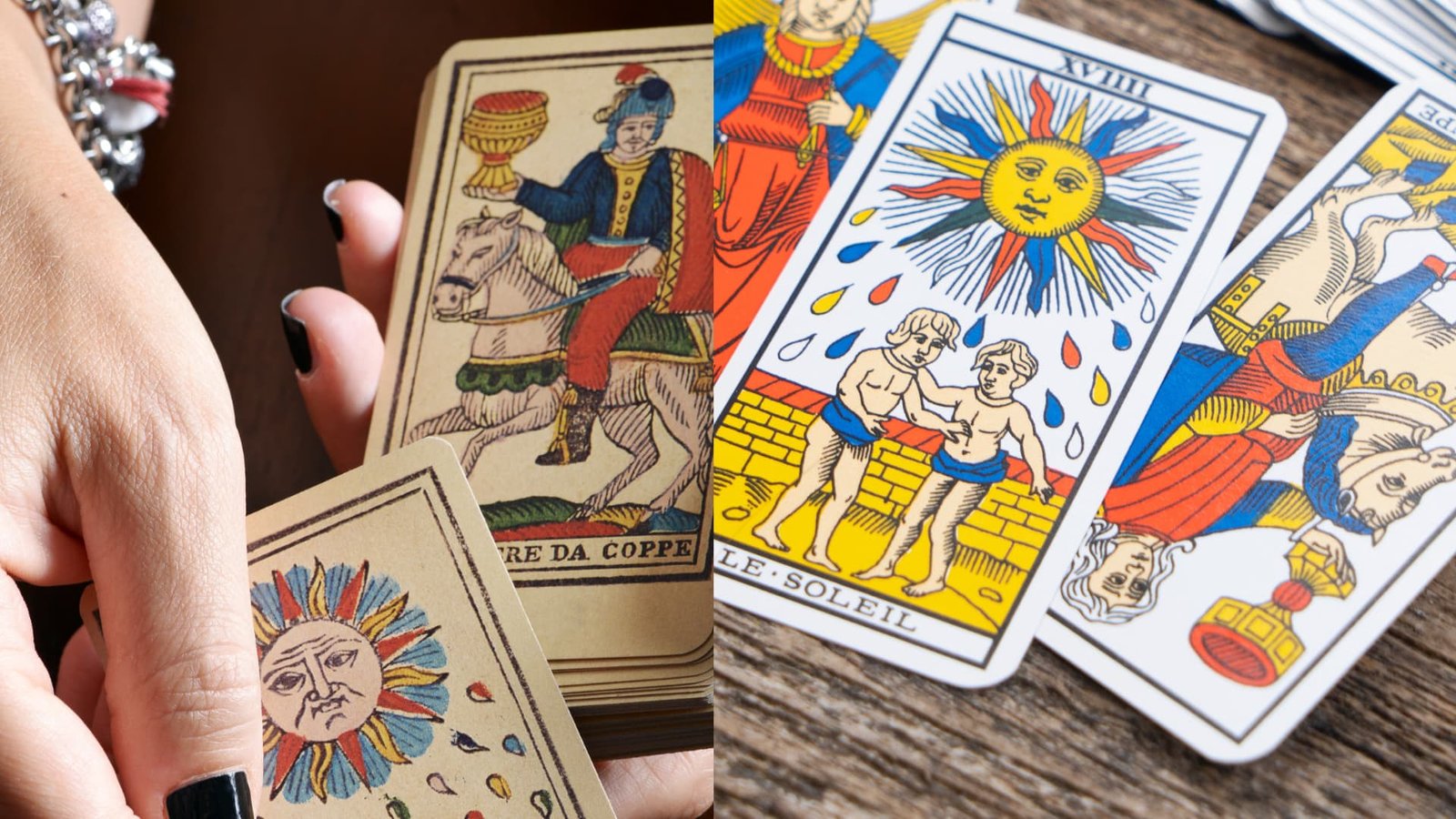
The French school, represented by the Tarot de Marseille, standardized the iconography and structure of tarot. The Marseille tradition is known for its minimalist yet deeply symbolic imagery, which influenced nearly every tarot deck that followed.
Both schools shaped how the Major Arcana came to represent universal archetypes and how the Minor Arcana reflected daily human experience — establishing tarot as both a game and a spiritual tool.
Traditional Tarot Reading Rituals in Europe
In Europe, tarot reading became woven into social and spiritual life. Traditional readers would often:
Shuffle and cut the deck three times for past, present, and future.
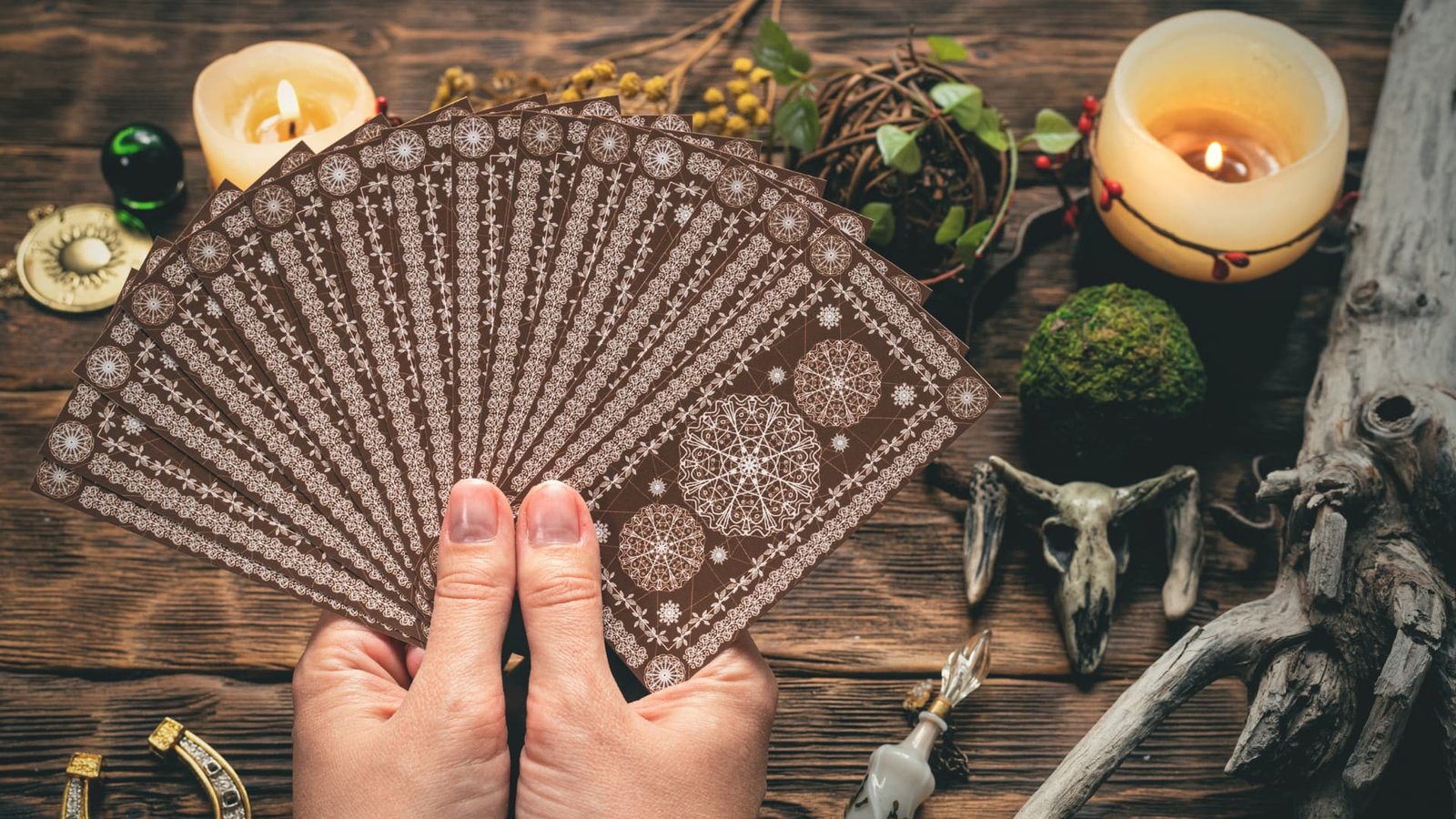
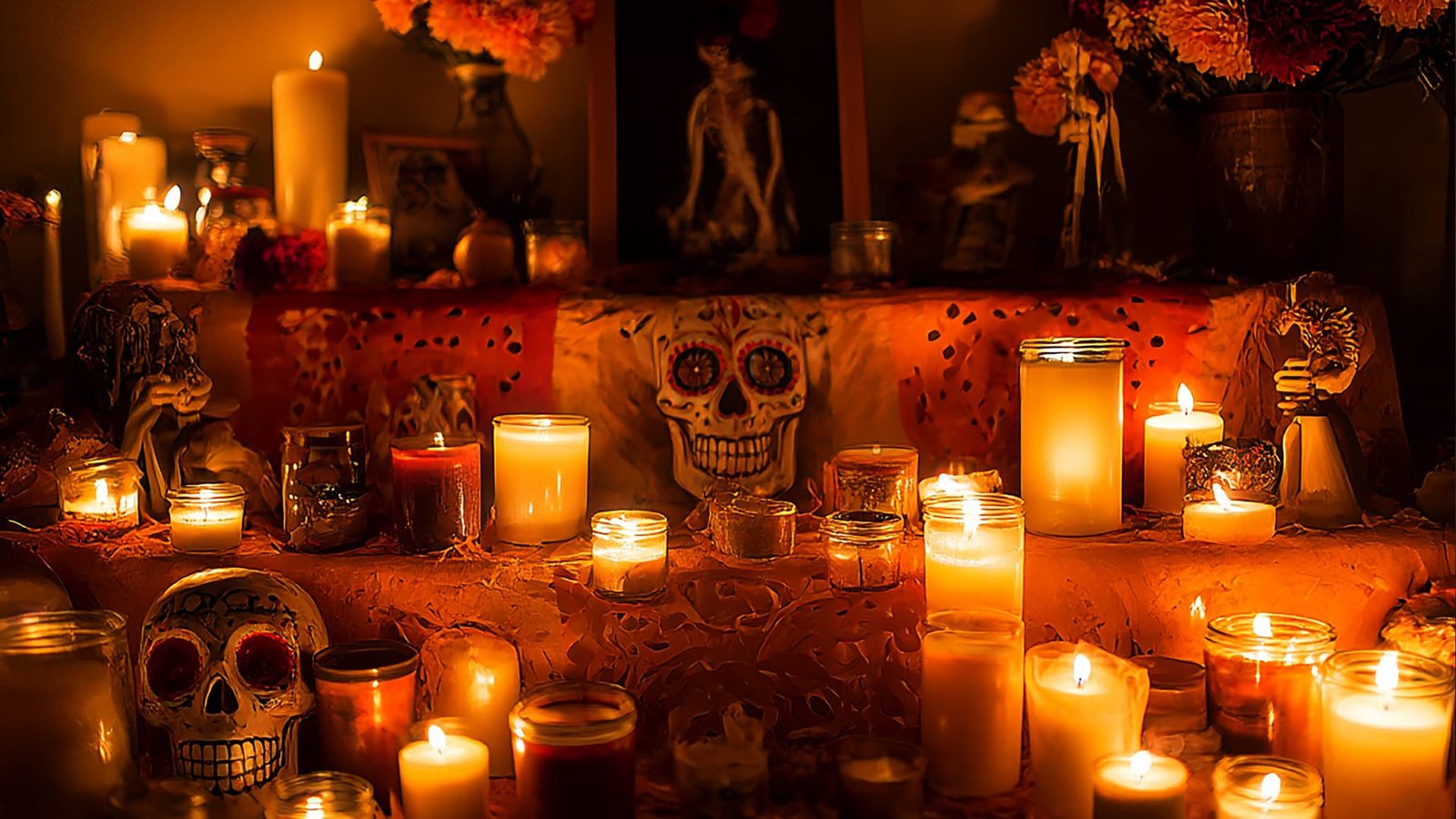
Read by candlelight or natural light to “awaken” the cards.
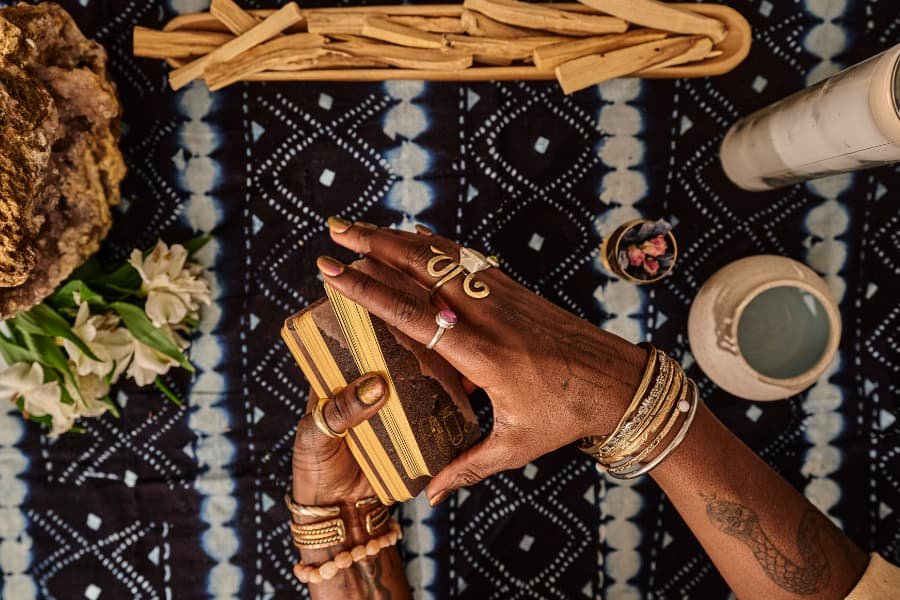
Store decks in silk cloth or wooden boxes to preserve their energy.
These rituals transformed tarot from a pastime into a sacred art of reflection and prophecy, blending superstition, psychology, and mysticism.
The Hermetic Order of the Golden Dawn
In the late 19th century, tarot underwent a spiritual revival through The Hermetic Order of the Golden Dawn — an esoteric society that combined Kabbalah, astrology, alchemy, and ceremonial magic. Members such as Arthur Edward Waite and Aleister Crowley reshaped tarot into a mystical system of initiation and personal transformation.
Waite and Pamela Colman Smith created the Rider–Waite–Smith Tarot, which made tarot accessible through detailed symbolism and imagery for every card.
Crowley, alongside artist Lady Frieda Harris, developed the Thoth Tarot, rooted in Thelemic philosophy and occult mysticism.
The Golden Dawn’s influence established the structure most modern tarot readers use today — a bridge between the mystical and psychological dimensions of tarot.
The Marseille Tradition
The Tarot de Marseille, first popularized in France in the 17th century, remains one of the most respected tarot systems in the world. Known for its bold primary colors, woodcut art style, and structured symbolism, it offers a more abstract and philosophical interpretation of tarot than modern illustrated decks.
Unlike Rider–Waite–Smith, Marseille’s Minor Arcana cards are not pictorial but numerically symbolic, inviting intuitive interpretation rather than narrative imagery. Many readers find this approach encourages deeper spiritual insight — free from distraction, closer to tarot’s original essence.
African Tarot Practices and Divination Styles
Across Africa, tarot resonates with local divinatory and ancestral traditions, often adapted to fit regional spiritual systems:
In West African contexts, tarot may be blended with Ifá divination, emphasizing ancestral wisdom and fate.
South African spiritualists may use tarot alongside crystal work and intuitive channeling.
In North Africa, tarot intersects with astrology and dream interpretation within mystical Islamic and Sufi frameworks.
African tarot traditions reflect an understanding of the cards not as fortune-telling tools, but as spiritual maps connecting the living, the ancestors, and the unseen world.
Tarot in Middle Eastern Cultural Contexts
While tarot’s imagery draws heavily from European mysticism, its symbolic roots reach into the Middle East, where numerology, astrology, and mystical symbolism were already thriving.In certain Middle Eastern practices:
Tarot is viewed as a tool for contemplation, not prophecy.
Readers may associate cards with Qur’anic or Sufi symbolism, focusing on personal growth, divine reflection, and moral clarity.This integration of tarot and Middle Eastern mysticism enriches the cards with themes of divine order, fate, and moral responsibility.
South American Tarot Traditions
In South America, tarot evolved within a rich blend of indigenous spirituality, Catholic mysticism, and Afro-Caribbean influences.Readers often see tarot as a living oracle that communicates with spirits or saints, aligning card meanings with deities like Yemayá, Oshún, or Pachamama.In countries such as Brazil, Mexico, and Argentina, tarot is commonly used in energy healing, shadow work, and intuitive development, reflecting the continent’s deep connection between faith, magic, and self-discovery.
How Tarot is Used in Asian Spiritual Practices
Across Asia, tarot has merged with traditional systems of divination and mindfulness:
In Japan, tarot reading often reflects the aesthetics of Zen — simplicity, balance, and intuition.
In India, tarot connects with concepts of karma, reincarnation, and chakra energy.
In China, tarot readings may be paired with feng shui or I Ching for holistic insight.
Asian tarot practices tend to emphasize self-awareness and meditation, turning the act of reading into a ritual of reflection and harmony.
Tarot in Indigenous and Cultural Contexts
From Indigenous Australian oracle decks to Native American interpretations, tarot continues to adapt as a storytelling and healing tool. Each tradition sees tarot as a mirror of cultural values: storytelling, reverence for nature, and connection with the spirit world.
Across all these traditions, tarot is a living lineage — not bound by geography but guided by the universal human quest for meaning, balance, and transformation.