
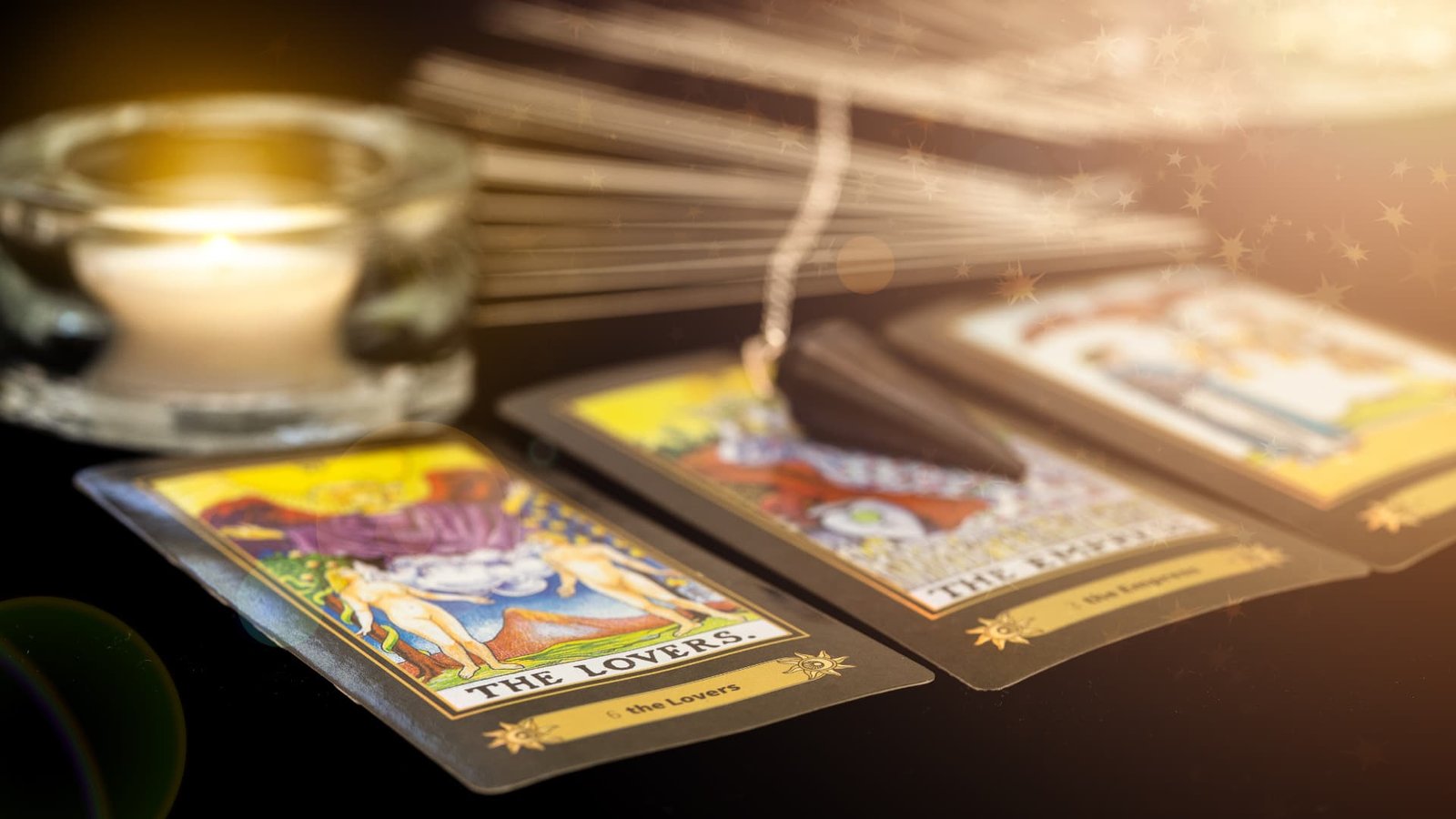
Stepping into the enchanting world of tarot means encountering a vast array of images, symbols, and stories. One of the most intriguing aspects you’ll discover is that tarot cards aren’t just a random collection—they belong to specific tarot card groups. These groups help us understand the deeper messages each card carries, making your readings clearer, more insightful, and truly magical. Whether you’re a curious beginner or a seasoned reader, uncovering the secrets behind the tarot card groups can feel like unlocking pieces of an ancient, spiritual puzzle waiting to guide you.
What Are Tarot Card Groups?
Tarot is the art of storytelling through cards, and tarot card groups are categories that organize the deck into meaningful segments. Think of them as chapters of a book that, when read together, create a fuller narrative. At their core, the deck splits primarily into the Major Arcana and the Minor Arcana. These two main groups lay the foundation for every tarot reading you’ll encounter. Beyond this, the Minor Arcana further divides into suits, each with its own symbolism and emotional energy. Exploring these groups gives your intuition a map to follow—guiding you through the emotional, spiritual, and practical currents of life.
Why Tarot Card Groups Matter in Your Readings
Understanding tarot card groups isn’t just specialized deck talk—it’s the secret ingredient that deepens your connection to the cards. When you identify which group a card belongs to, you unlock layers of meaning that enrich your interpretation. For example, a card from the Major Arcana often signals a significant spiritual lesson or life event, while a Minor Arcana card might reflect everyday moments and emotions. Knowing this distinction allows you to balance the bigger picture with the finer details, making your readings both powerful and grounded.
For those looking to grow in their tarot journey, tarotisto.com offers guidance that combines traditional wisdom with intuitive approaches, helping you embrace the magic within every group and card.
Main Tarot Card Groups Explained
The structure of the tarot deck invites us into its universe, beginning with two main segments: the Major Arcana and the Minor Arcana. The Major Arcana contains 22 cards, each representing profound archetypes such as The Fool’s journey of innocence and adventure, or Death’s symbol of transformation. These cards often signal pivotal moments or shifts in your life’s story.
The Minor Arcana is divided into four suits—similar to a traditional playing card deck—named Cups, Pentacles, Swords, and Wands. Each suit is a tarot card group with its own elemental energy and focus. Cups flow through the depths of emotion and relationships; Pentacles ground us in the material and practical; Swords cut through intellect and conflict; and Wands blaze trails through creativity and ambition. Understanding these groups helps you feel the heartbeat behind each card as you interpret your readings.
Connecting with Tarot Card Groups on a Personal Level
Diving into tarot card groups is more than just classification; it’s about tuning into the story the universe is whispering to you. When you begin to feel the energy of each group, the cards stop being mysterious drawings and become trusted allies that reflect parts of yourself—your hopes, challenges, and growth.
Try exploring one tarot card group at a time. Pull cards from just the Cups suit when you want clarity on your relationships, or from the Major Arcana when seeking spiritual insight. This focused practice nurtures a deeper emotional resonance with your deck and your intuition.
FAQ
- What are tarot card groups and how do they influence readings?
Tarot card groups are categories that organize the deck into meaningful sections, mainly the Major and Minor Arcana, with the latter divided into suits. These groups help readers interpret the cards’ messages by revealing underlying themes—spiritual lessons, emotions, or practical matters—making readings more insightful. - Can tarot card groups guide my personal growth?
Absolutely. Each tarot card group connects to specific energies and experiences. Engaging with these groups deepens self-awareness and offers pathways for emotional and spiritual growth, nurturing your intuitive connection with the cards. - How do I start exploring tarot card groups?
Begin by familiarizing yourself with the Major and Minor Arcana, then dive into the four suits of the Minor Arcana. Use focused readings to explore each group’s energy individually. Resources at tarotisto.com can help guide you through this exploration with approachable lessons. - Do tarot card groups have elemental correspondences?
Yes, they do. Each suit in the Minor Arcana corresponds to one of the four classical elements: Cups with Water, Pentacles with Earth, Swords with Air, and Wands with Fire. These elements enrich the symbolism and emotional tone of the cards within each group. - Why is understanding tarot card groups important for beginners?
Understanding tarot card groups lays a solid foundation for reading tarot effectively. It helps newcomers make sense of the cards’ messages without feeling overwhelmed, offering a structured yet intuitive approach to connect deeply with the deck.