
Historical figures & movements

Historical Figures & Movements in Tarot: The Visionaries Who Shaped the Cards
Tarot’s evolution from a medieval card game to a spiritual and psychological tool is deeply influenced by visionary figures, mystical movements, and artistic innovators. Each era of tarot history reveals new interpretations, philosophies, and creative expressions that continue to shape how we read and understand the cards today.
This category explores the people and movements who transformed tarot into the deeply symbolic system we recognize—bridging art, mysticism, and psychology across centuries.
Tarot Archetypes and Cultural Heroes
Tarot’s archetypes—The Magician, The High Priestess, The Fool, and others—mirror the timeless roles found in myths, legends, and human history. These figures embody universal human experiences: courage, wisdom, transformation, and love.
Throughout history, many artists and scholars have drawn parallels between tarot archetypes and cultural heroes:
The Fool as the mythic traveler or spiritual seeker.
The Magician as the inventor, artist, or visionary who channels creativity into form.
The Empress as the earth mother, nurturing creation and abundance.
Tarot’s archetypes remain powerful because they represent the same eternal stories told across cultures and eras.
Court de Gébelin & 18th-Century Mysticism
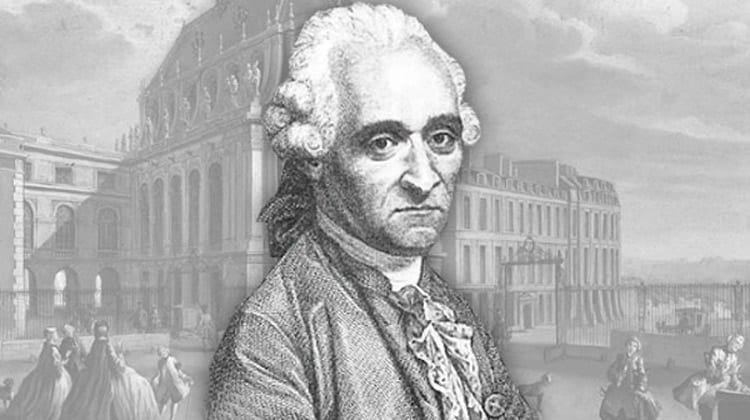
Tarot’s journey into mysticism began in the 18th century, when the French scholar Antoine Court de Gébelin proposed that tarot originated in ancient Egypt. Though his claims were historically inaccurate, his writings transformed tarot’s reputation—from a card game into a spiritual and symbolic system.
De Gébelin’s ideas inspired a wave of occult and esoteric interest in tarot, linking it to mythology, alchemy, and Hermetic philosophy. His influence laid the groundwork for the later development of esoteric tarot traditions and secret societies.
The Golden Dawn & Occult Tarot
The Hermetic Order of the Golden Dawn, founded in the late 19th century, played a pivotal role in shaping modern occult tarot. This secret society of mystics, magicians, and philosophers sought to connect tarot with astrology, Kabbalah, and ceremonial magic.
The Golden Dawn established correspondences between tarot cards and elemental forces, astrological signs, and the Tree of Life. Many modern readers still use these systems today.
Prominent members—such as Arthur Edward Waite and Aleister Crowley—later produced their own influential decks, helping to popularize tarot beyond esoteric circles.
Arthur Waite & Pamela Colman Smith
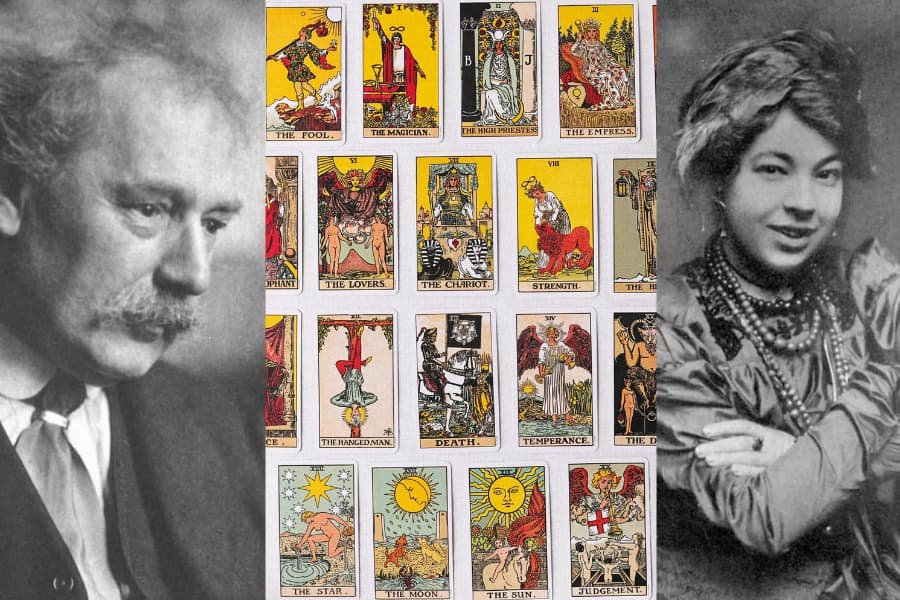
Perhaps no collaboration in tarot history has been as influential as that of Arthur Edward Waite and Pamela Colman Smith, who created the Rider-Waite-Smith Tarot Deck in 1909.
Waite, a member of the Golden Dawn, sought to create a deck that reflected his spiritual and mystical philosophy. Smith, a visionary artist and storyteller, gave life to his concepts with her distinctive symbolic illustrations.
Their deck was groundbreaking because:
Every card in the Minor Arcana had detailed imagery, making intuitive reading easier.
It combined Christian mysticism, Kabbalistic symbolism, and archetypal storytelling.
It became the foundation for countless modern decks and tarot systems.
The Rider-Waite-Smith deck remains the most widely used tarot in the world, inspiring generations of artists, readers, and mystics.
Aleister Crowley & the Thoth Deck
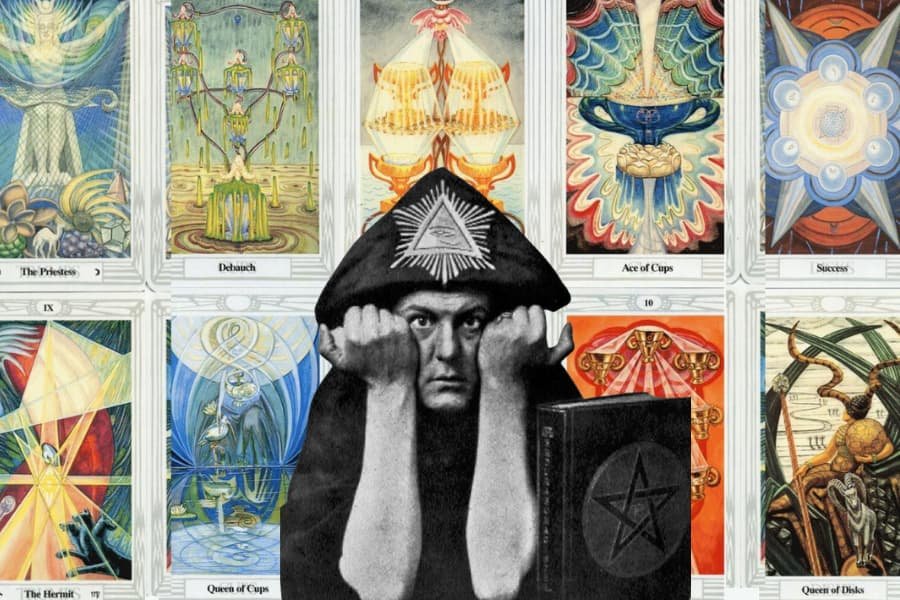
Aleister Crowley, another Golden Dawn member and founder of Thelema, created the Thoth Tarot Deck with artist Lady Frieda Harris in the 1940s.
This deck reflects Crowley’s complex philosophy—a fusion of astrology, Kabbalah, alchemy, and Egyptian symbolism. The Thoth Tarot is often considered more abstract and intellectually challenging than Rider-Waite-Smith, appealing to readers interested in esoteric depth.
Despite its controversial creator, the Thoth Deck remains a landmark of mystical art and occult philosophy, revered for its visual richness and spiritual complexity.
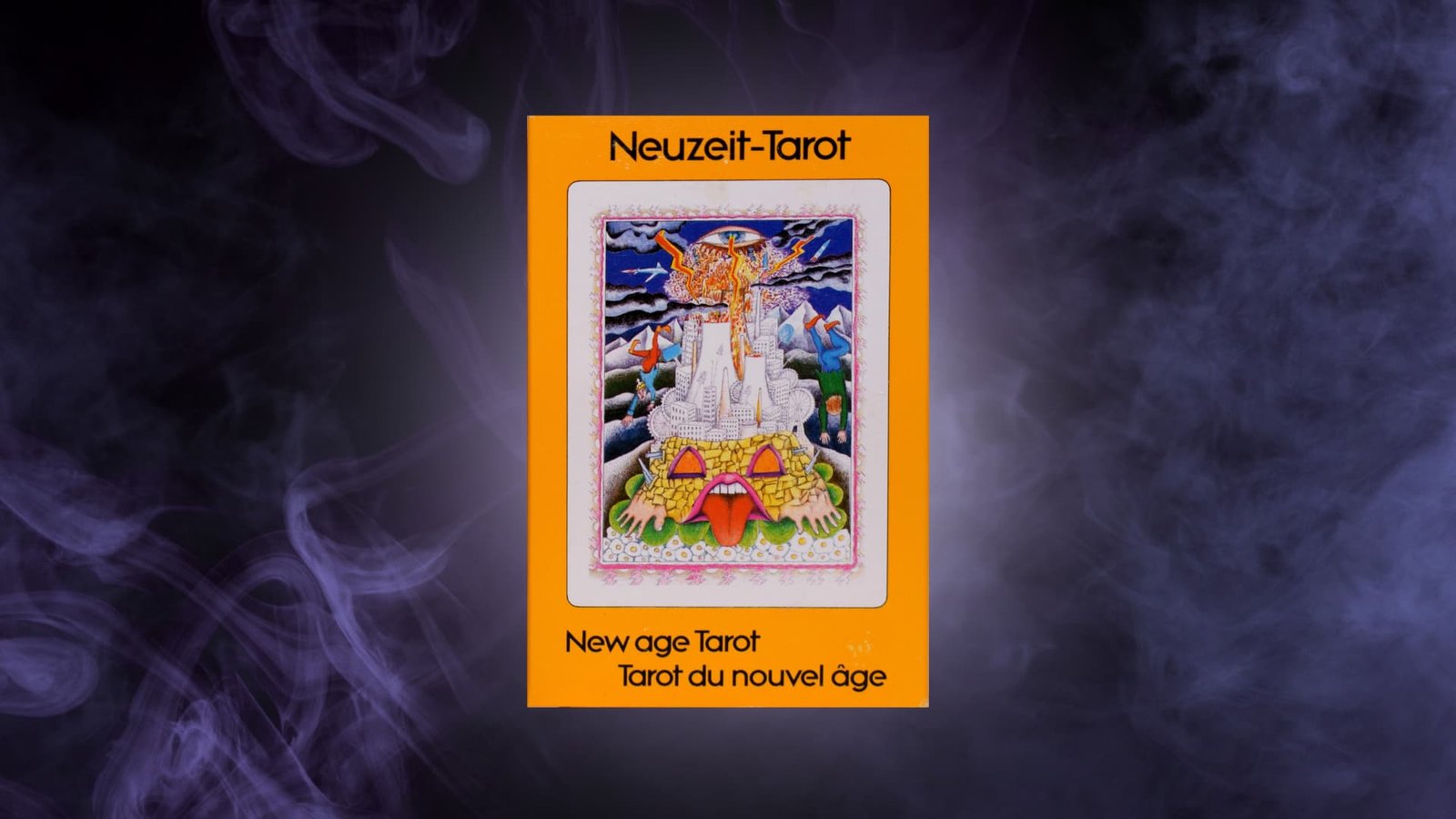
Evolution of Tarot in the New Age Movement
The 20th and 21st centuries saw tarot evolve beyond occult circles into a mainstream spiritual and psychological practice. During the New Age movement, tarot began to merge with:
Jungian psychology and archetypal theory
Meditation and mindfulness
Self-help, coaching, and personal empowerment
Decks became more inclusive and diverse, representing global mythologies, gender balance, and spiritual universality. Tarot shifted from fortune-telling to a tool for self-discovery and healing.
Contemporary artists and readers continue this legacy—using tarot to explore identity, spirituality, and the human experience in a rapidly changing world.
Why Historical Figures & Movements Matter
Understanding tarot’s history helps readers appreciate its evolution as both art and philosophy. Each figure and movement added new layers of meaning:
De Gébelin brought tarot into mystical discourse.
The Golden Dawn built the esoteric framework.
Waite and Smith made tarot visually intuitive and accessible.
Crowley expanded tarot’s symbolic depth.
The New Age movement made tarot personal, spiritual, and universal.
Together, these legacies remind us that tarot is not static—it’s a living tradition that continues to evolve with each generation.