
Origins


Origins of Tarot: From Renaissance Card Game to Spiritual Symbolism
The history of tarot is a fascinating journey through art, culture, and mysticism. Though often associated with the occult today, tarot began centuries ago as a simple card game before evolving into a powerful spiritual and divinatory tool. Exploring the origins of tarot reveals how human creativity, symbolism, and cultural exchange shaped the cards we know and love.
The Origin of Tarot Cards
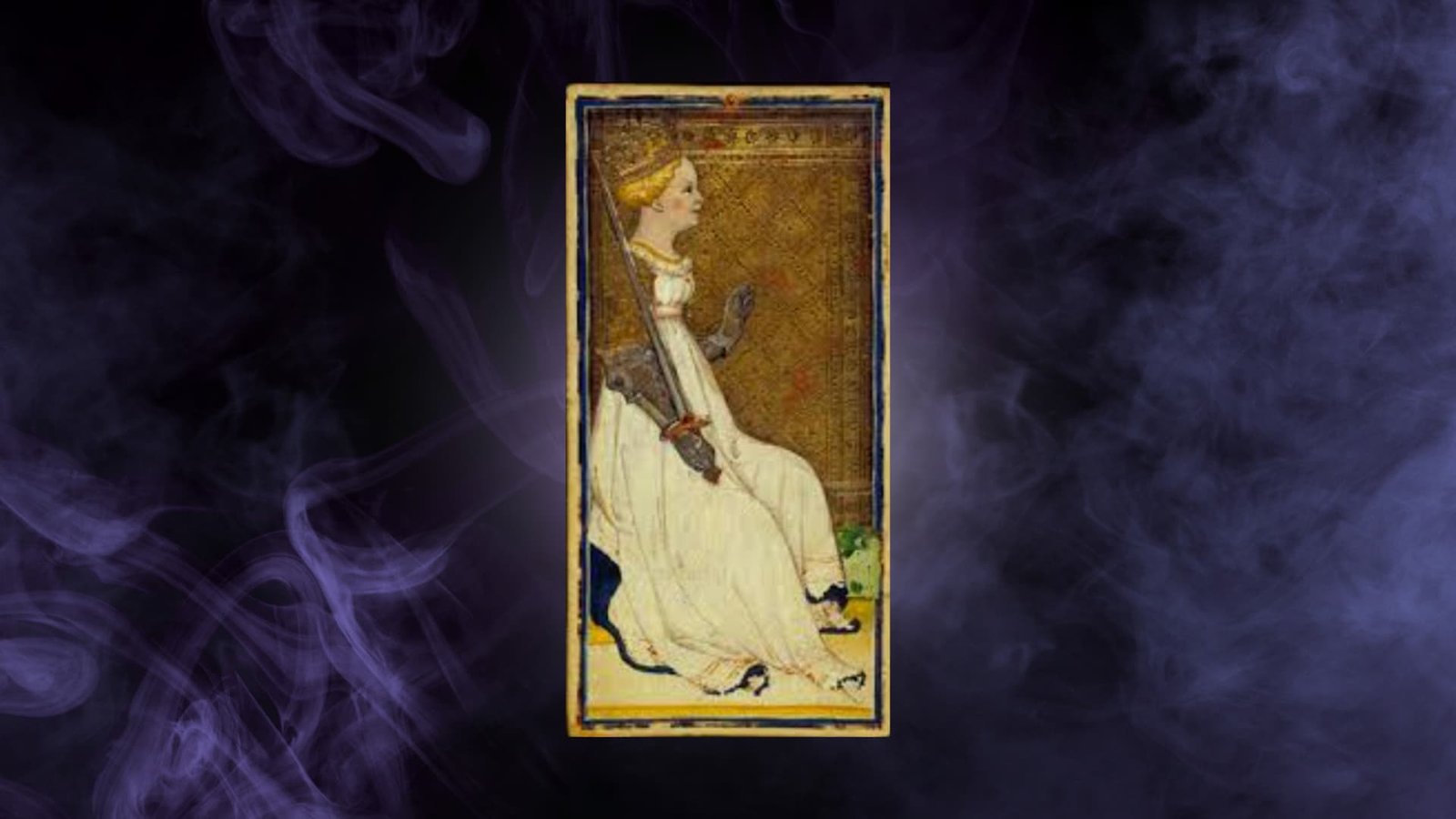
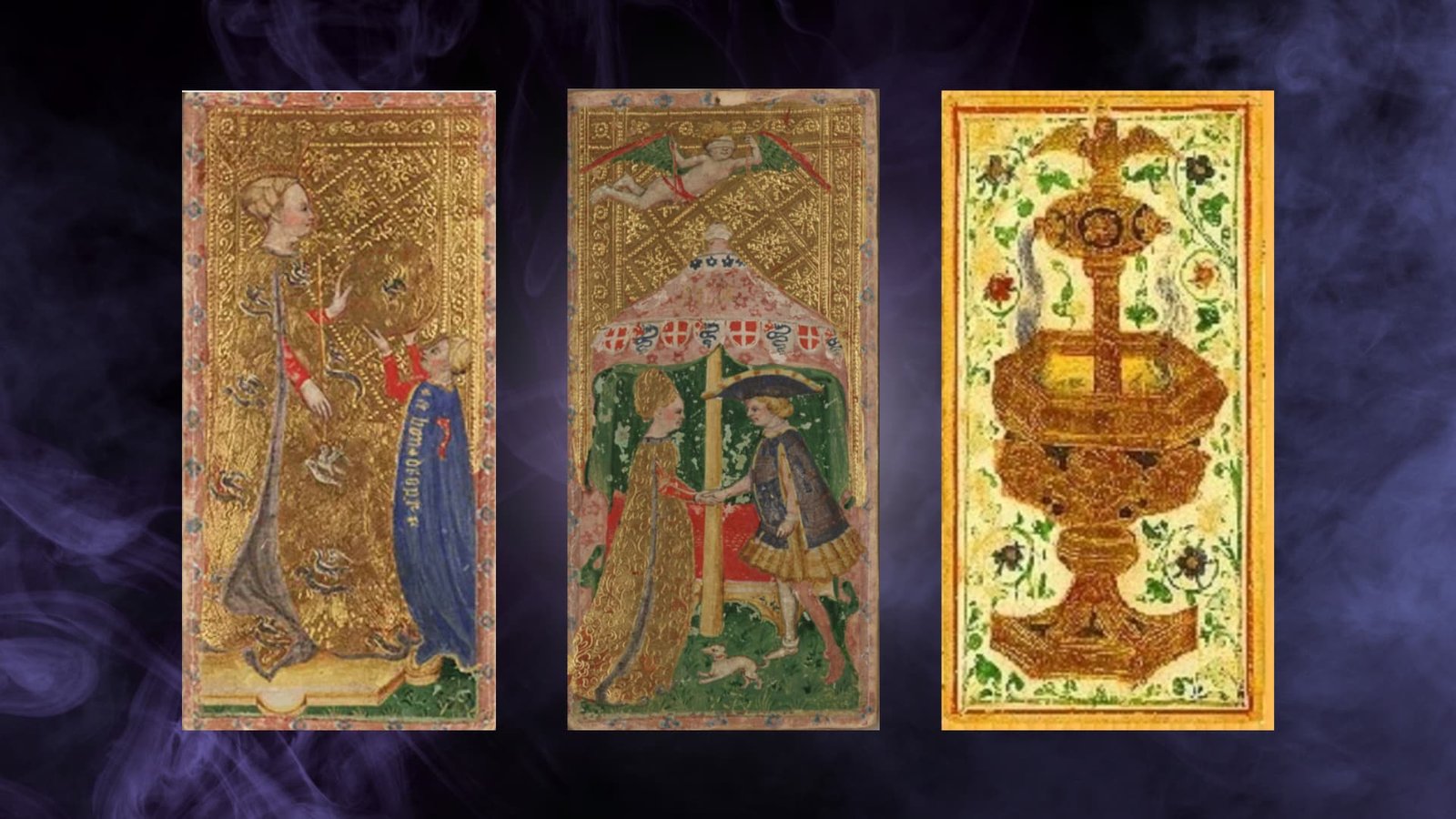
The earliest tarot cards appeared in 15th-century Italy, during the height of the Renaissance. These early decks, known as Trionfi or Tarocchi, were used for games rather than divination. Nobles commissioned beautifully illustrated decks as works of art, celebrating themes of virtue, destiny, and human experience.
The Visconti-Sforza Tarot, one of the oldest surviving decks, embodies this period’s artistic and philosophical richness. Each card reflected Renaissance ideals—combining allegory, astrology, and moral storytelling.
Tarot in 15th-Century Italy
Tarot’s roots are firmly planted in Italian culture, where art, philosophy, and symbolism flourished. The Italian courts viewed tarot as both entertainment and a reflection of intellectual curiosity.
Trionfi cards represented triumphs of moral and spiritual virtues over vices.
The suits (Cups, Swords, Coins, and Batons) mirrored aspects of medieval society: emotion, conflict, wealth, and labor.
Artists and philosophers infused the imagery with humanist ideas, setting the foundation for tarot’s later symbolic meanings.
Tarot and the Renaissance: Cultural Origins
The Renaissance period provided fertile ground for tarot’s development. It was a time of rediscovery—of classical philosophy, Hermeticism, and the mystical sciences. Artists and scholars sought to understand humanity’s place within the cosmos, and tarot became a symbolic reflection of that quest.
The imagery of the Major Arcana—The Magician, The Hermit, The World—echoes Renaissance art and philosophy. Each card embodied universal themes of morality, knowledge, and transformation. These images would later take on spiritual and mystical significance in the centuries to come.
Ancient Egyptian Influences on Tarot Cards
Though tarot originated in Renaissance Europe, ancient Egyptian symbolism has long been associated with it. This connection emerged in the 18th century when Antoine Court de Gébelin, a French scholar, theorized that tarot was a remnant of Egyptian wisdom. He believed the cards preserved esoteric teachings from the Book of Thoth, named after the Egyptian god of wisdom.
While historians have since disproven this theory, Egyptian symbolism continues to influence tarot design and mysticism. Decks like Crowley’s Thoth Tarot draw heavily from Egyptian mythology, blending it with Kabbalistic and astrological themes.
The Transition from Playing Cards to Divination
For centuries, tarot remained a card game enjoyed by nobles and commoners alike. It wasn’t until the 18th century that tarot began to be used for divination and esoteric study. This transition occurred through a blend of mystical interpretation and philosophical curiosity.
Occult scholars, inspired by Hermeticism and alchemy, began to see the tarot as a symbolic map of the human soul. Each card represented archetypal forces or stages of spiritual evolution. By the 19th century, tarot had become a key tool in Western mysticism—used for meditation, spiritual exploration, and intuitive guidance.
Tarot as a Card Game (Tarocchi, Trionfi)
Before its association with fortune-telling, tarot was primarily a social game. Players used decks of four suits plus a set of “triumph” cards, which would later evolve into the Major Arcana.
In Italy, it was known as Tarocchi.
In France, as Tarot.
In Germany and other regions, it spread as both a game and cultural pastime.
The structure of the tarot—78 cards divided into Major and Minor Arcana—remains rooted in these early gaming traditions. Even as tarot evolved spiritually, its playful origins continue to remind us that the cards are also about storytelling and human connection.
The Origins of Tarot Across Different Cultures
While tarot was born in Europe, its inspiration and symbolism were shaped by global influences:
Asia: Playing cards likely reached Europe via the Silk Road, adapted from early Chinese and Islamic designs.
Middle East: The Mamluk playing cards of Egypt and Turkey strongly influenced early European suits and structure.
Europe: Italy, France, and Switzerland developed unique tarot styles, each contributing artistic and symbolic refinements.
This cross-cultural exchange made tarot a fusion of global creativity—a blend of East and West, mysticism and mathematics, art and allegory.
How Tarot Spread to Different Continents
By the 18th and 19th centuries, tarot’s popularity grew beyond Europe. Through trade, travel, and colonial exchange, tarot found new homes across continents:
In North America, tarot became central to the 20th-century New Age movement.
In Latin America, it merged with spiritualism, Catholic mysticism, and local traditions.
In Asia and Africa, artists began creating culturally rooted decks that reflected indigenous symbols and mythologies.
Today, tarot is a truly global phenomenon, embraced for self-reflection, healing, and creativity across diverse cultures.
The History of Tarot Spreads
The practice of laying out cards in spreads developed as tarot transitioned from a game to a divinatory system. Early readers used simple three-card layouts, later evolving into more elaborate systems like the Celtic Cross.
Spreads became a way to structure readings—connecting past, present, and future, or exploring emotions, challenges, and outcomes. Many modern spreads still echo these early systems, combining centuries of tradition with intuitive adaptation.
The Legacy of Tarot’s Origins
Understanding tarot’s origins enriches both study and practice. It reveals tarot not as a product of one culture or era, but as a living dialogue between art, spirituality, and human imagination.
From the painted decks of Renaissance Italy to the symbolic richness of modern interpretations, tarot’s history tells a story of evolution—of how a game became a mirror of the soul.