
Tarot has long served as a gateway into the mysteries of the soul, a mirror reflecting our inner world through symbols both ancient and vibrant. If you’ve ever found yourself drawn to the poetic dance of cards, you might be intrigued by how different cultures have shaped the practice of tarot reading over time. Among these rich traditions, the Italian and French tarot schools stand out not just as distinct methodologies but as unique spiritual lineages, each offering its own language of intuition, symbolism, and wisdom. Exploring these schools is like stepping into two beautifully contrasting worlds where art, history, and spirituality intertwine, inviting us to deepen our connection with the cards and ourselves.
Understanding the Italian vs. French Tarot Schools
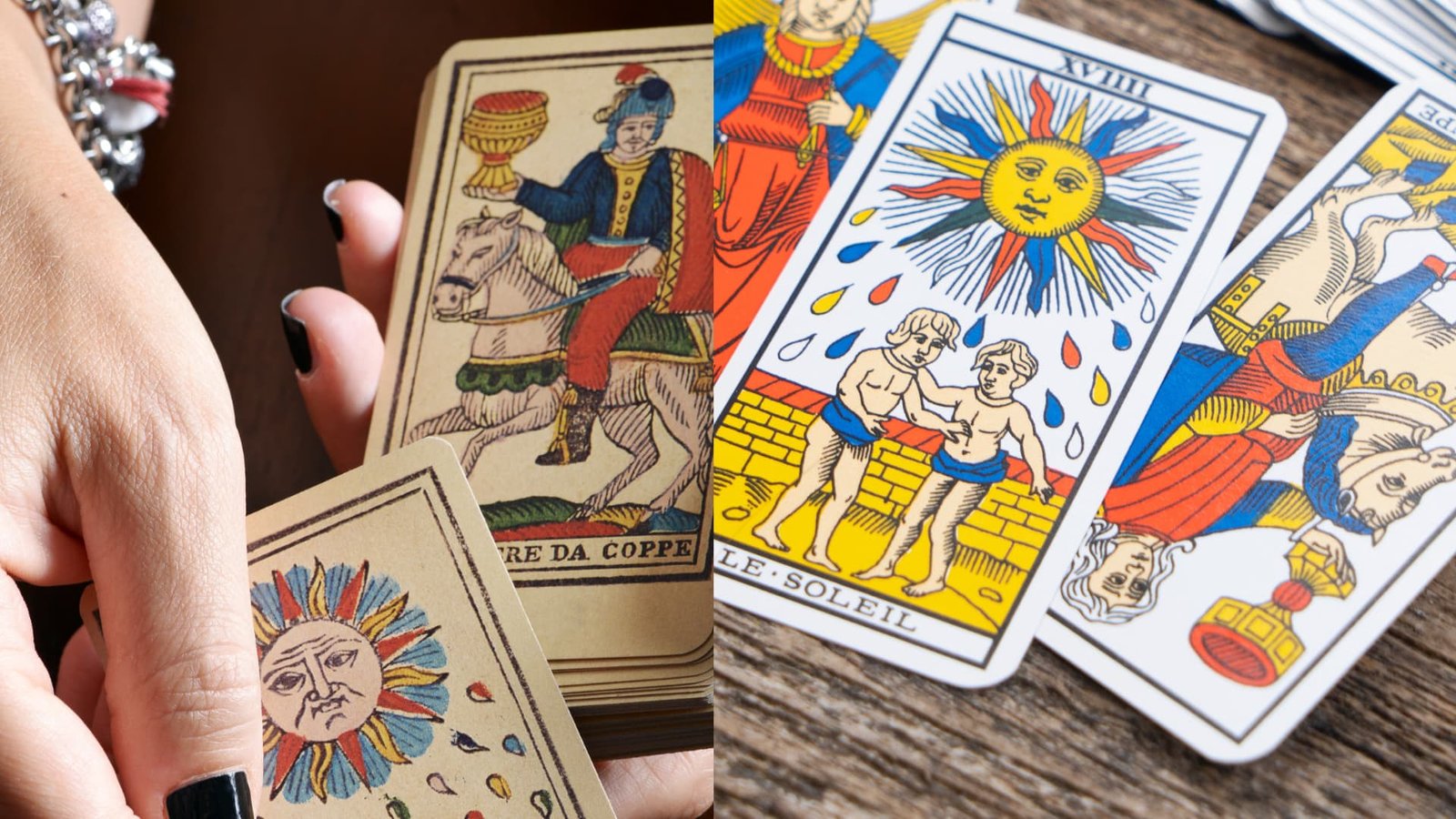
Diving into the world of the Italian and French tarot schools, you quickly discover that tarot is far from a monolith. The Italian tradition, with its regional decks like the Tarot of Marseilles—which ironically has roots in both Italy and France—often emphasizes artistry and historical fidelity. Italian tarot decks usually showcase intricate, medieval-inspired designs that invite a reflective, almost ceremonial reading experience.
The French tarot school, on the other hand, leans into structure and accessibility. French tarot readers often focus on the Tarot de Marseille and other variations that have evolved with clearer, more standardized imagery. This school is known for its more systematic approach to card meanings and spreads, making it approachable for newcomers yet deeply rich for seasoned practitioners.
Historical Roots and Cultural Influences
Both the Italian and French tarot schools stem from centuries-old traditions but diverge beautifully in how culture and history infuse their practice. Italy’s tarot decks and readings are steeped in Renaissance art and philosophy, reflecting a cultural tapestry where mysticism, religion, and humanism merged. This influence gives the Italian tarot a poetic flair, blending symbolism with stories that echo personal transformation.
France, with its revolutionary spirit and Enlightenment ideals, shaped its tarot schools toward democratizing the cards — turning tarot reading into a tool accessible for personal insight and social connection. French tarot’s evolution underscores practicality without sacrificing depth, presenting readers with a balanced toolkit to navigate life’s complexities.
Key Symbolisms and Deck Variations
When you shuffle an Italian tarot deck, the art often feels like a passage through time, with allegorical figures and vivid historical motifs. Italian decks tend to be more pictorial and sometimes less explicit in standardized card meanings, encouraging intuition to take the lead during readings. The symbolism here is layered, inviting readers to unravel the story at their own pace.
French tarot decks, conversely, typically incorporate clearer archetypes with consistent symbolism that fosters quick recognition and structured interpretation. The use of bold colors and simplified figures in French decks helps decode messages with both intellectual clarity and emotional depth. This practical symbolism enables a fluid dialogue between the card’s energy and the reader’s intuition.
Embracing the Spiritual Journey
Choosing between the Italian and French tarot schools is less about “which is better” and more about discovering which resonates with your soul’s language. Both traditions offer profound pathways to self-discovery and spiritual growth. Whether you feel called to the evocative and artistic expressions of the Italian tarot or the structured clarity of the French method, you embark on a unique journey in tuning into the universe’s whispers.
At tarotisto.com, we celebrate this beautiful diversity and encourage you to explore these tarot schools with an open heart. Delving into these traditions enriches your own tarot practice and opens new doors to the wisdom hidden in each card.
Conclusion
In the spirited dialogue between the Italian and French tarot schools, we find a mosaic of meanings and methods that highlight tarot’s ever-evolving nature. Each tradition offers a distinct way to engage with the archetypes that shape our experiences, guiding us toward insight and healing. Embracing these differences not only broadens your tarot perspective but deepens your connection to the art and its ancient wisdom.
Whether you choose to explore the poetic Italian iconography or the pragmatic French interpretations, remember that tarot at its core is a soulful journey toward understanding and transformation. For more inspiration and resources, tarotisto.com is your welcoming companion on this path of discovery.
FAQ
- What distinguishes the Italian tarot school from the French tarot school?
The Italian tarot school is characterized by its rich, historical artwork and intuitive approach, often featuring decks with medieval and Renaissance influences. The French tarot school focuses on standardized symbolism and a structured method, making interpretation more accessible while maintaining depth. - Can I use decks from both Italian and French tarot schools in my readings?
Absolutely! Many tarot readers enjoy blending elements from both schools to enrich their practice. Exploring different decks helps deepen your understanding of the cards’ universal and culturally specific messages. - Are the spreads different between Italian and French tarot traditions?
While there are traditional spreads associated with both schools, many tarot readers today adapt spreads according to intuition and personal style, regardless of the deck’s origin. The French school tends to favor more standardized spreads, while the Italian school embraces flexibility. - Which tarot school is better for beginners?
French tarot schools, with their clear and standardized symbolism, often offer an easier entry for beginners. However, if you feel drawn to art and intuition, exploring Italian tarot can also be rewarding from the start. Your connection to the deck is what matters most.