
Tarot history & culture


Tarot History & Culture: Exploring Origins, Symbols, and Traditions
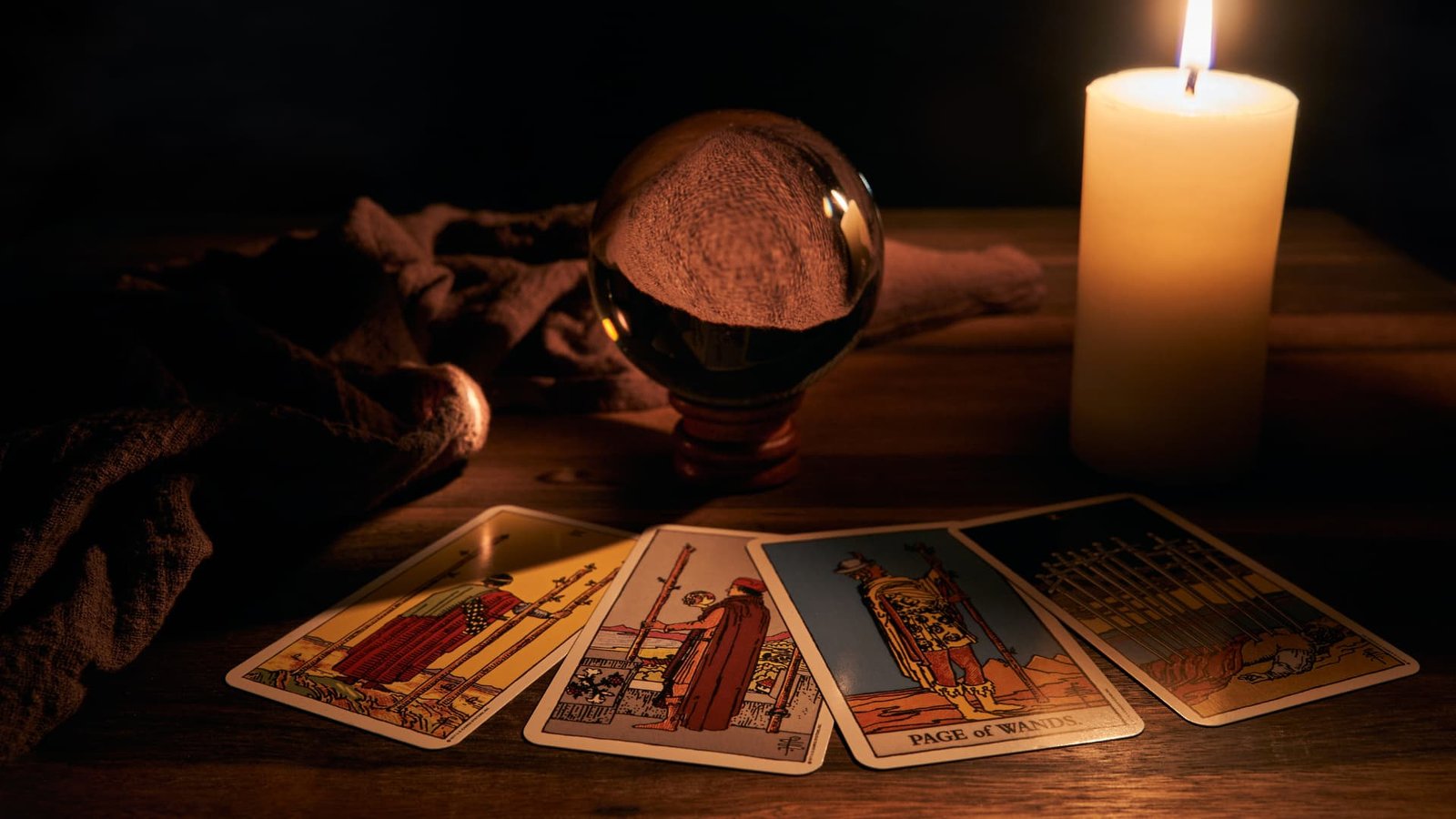
Tarot is more than a divination tool—it is a rich cultural and historical practice with deep symbolic meaning. Understanding tarot history and culture provides context, deepens intuition, and enhances appreciation for the cards’ artistry and spiritual significance. This category explores the origins, evolution, and cultural influences of tarot across centuries.
What Is Tarot History & Culture?
Tarot history and culture studies the development, symbolism, and traditions of tarot. It examines how tarot emerged, how historical movements shaped its use, and how diverse cultures and mythologies influenced the cards. This knowledge allows readers to connect with tarot on a deeper intellectual and spiritual level.
Origins of Tarot
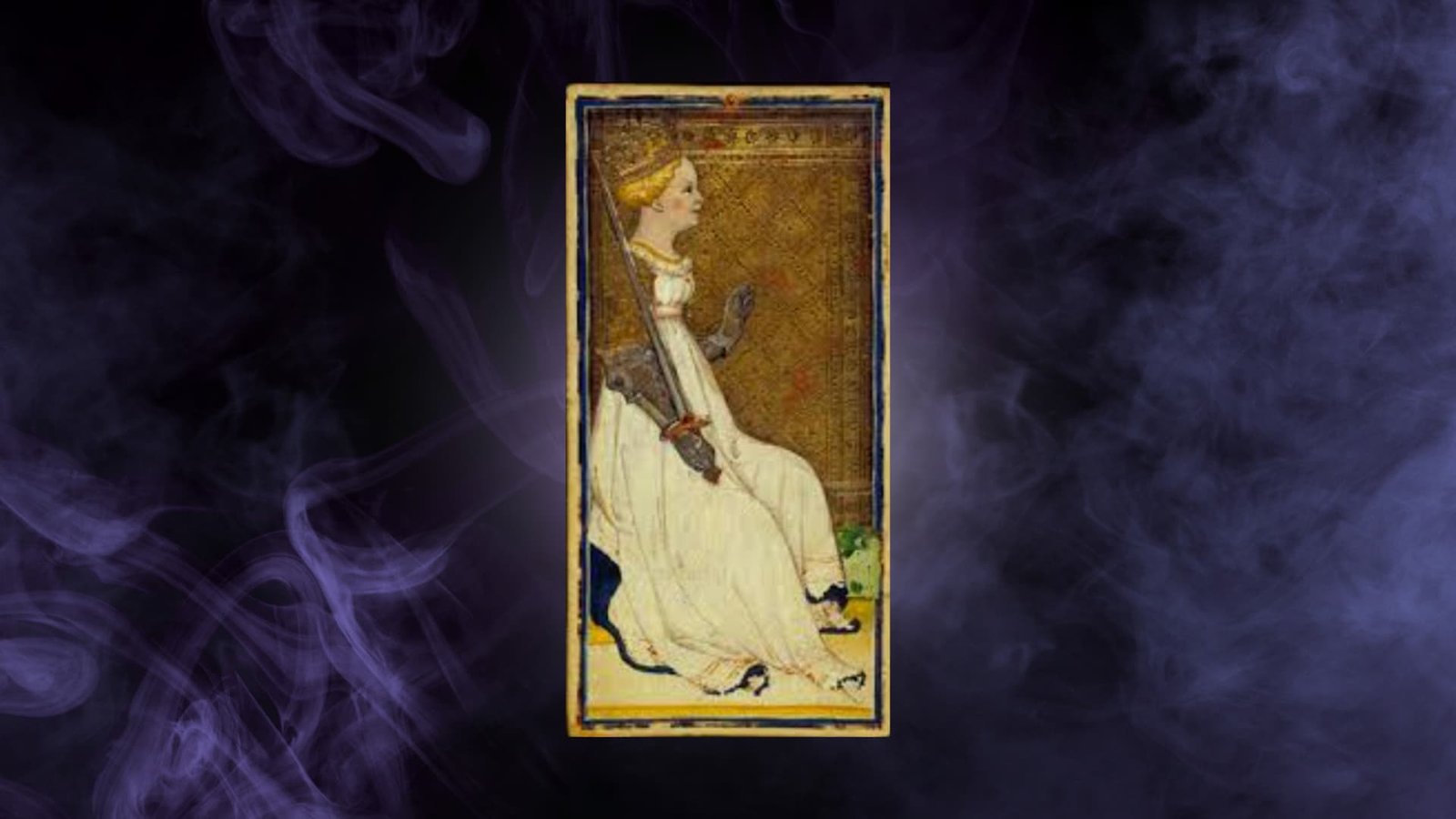
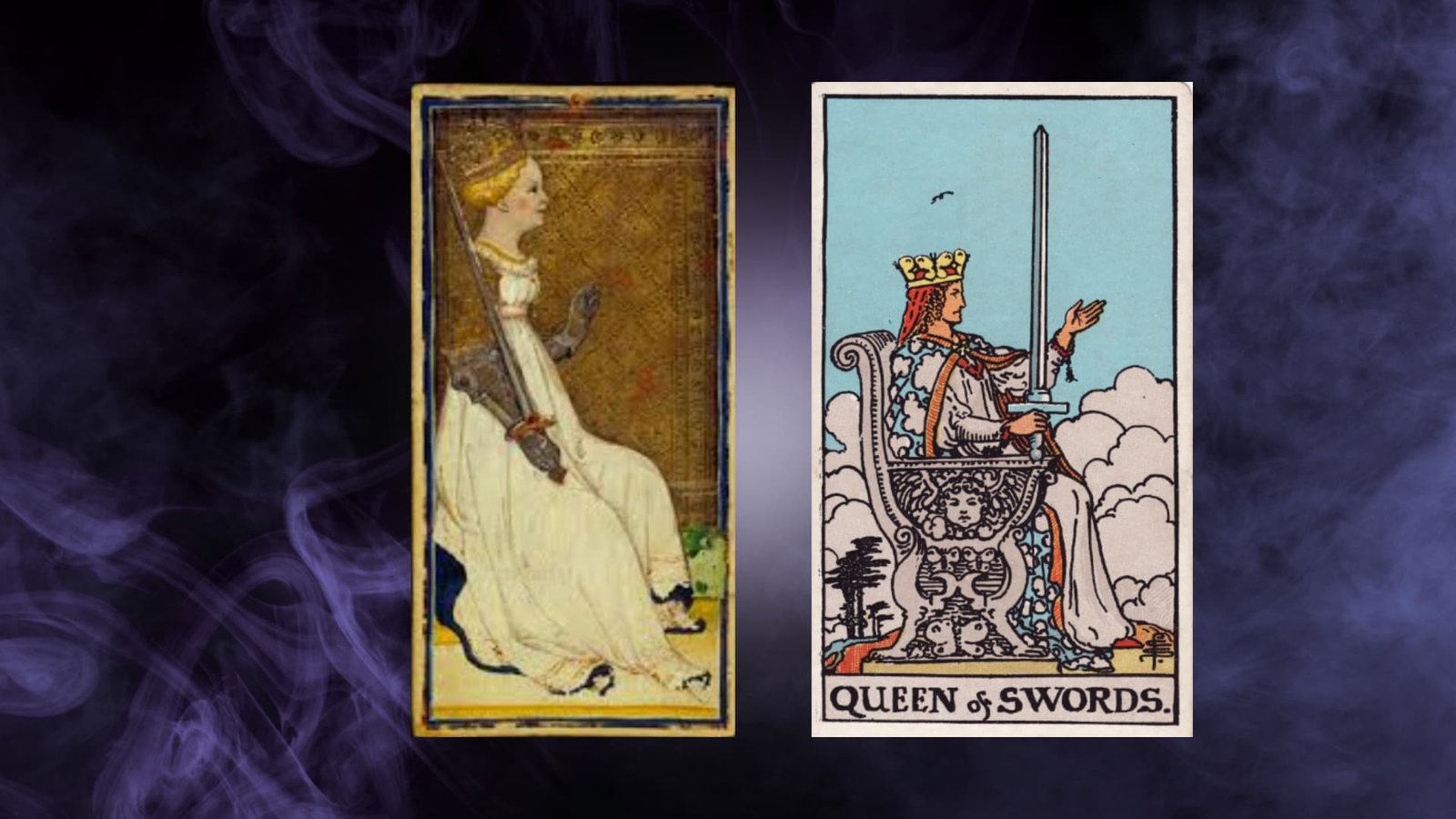
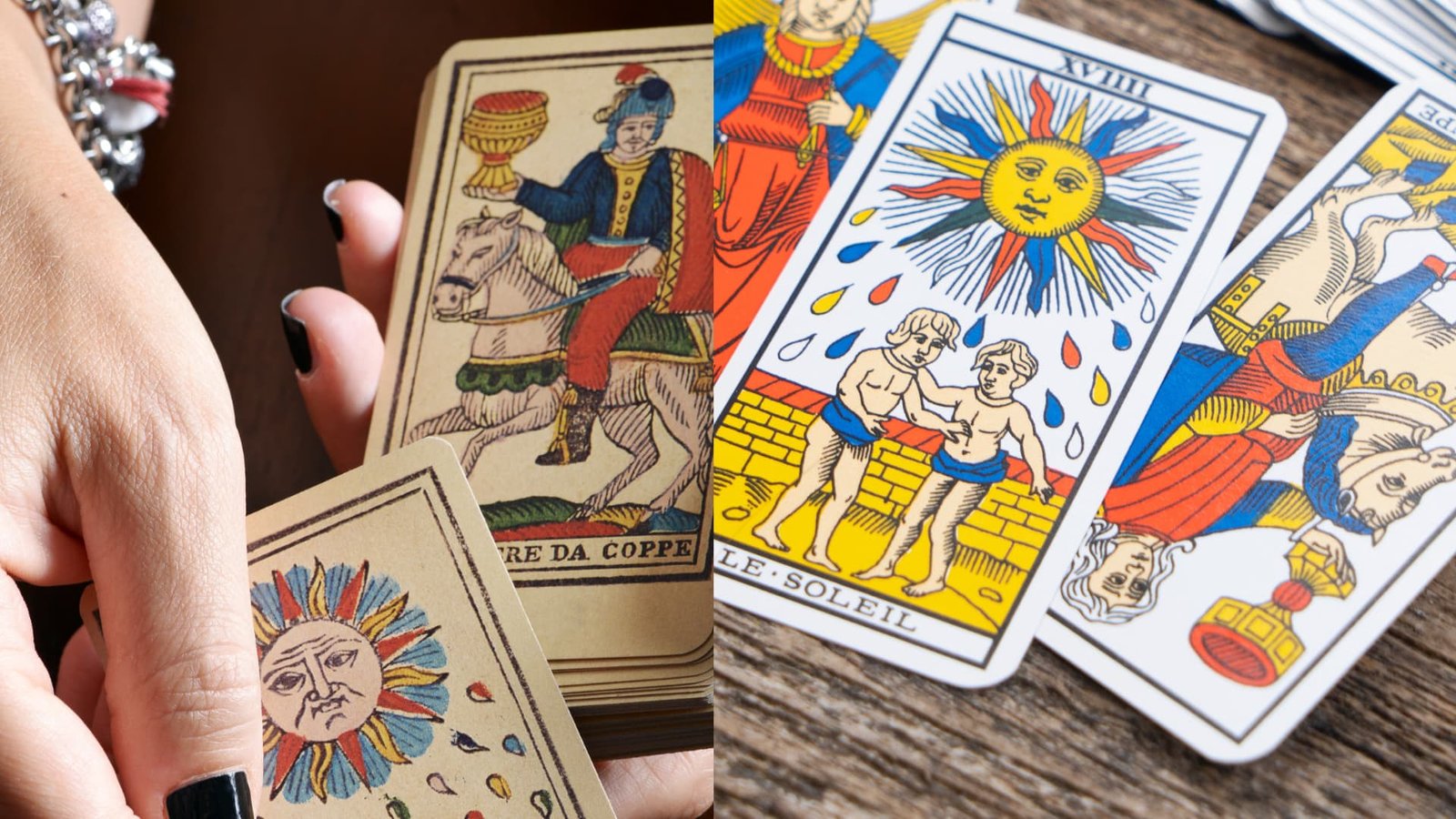
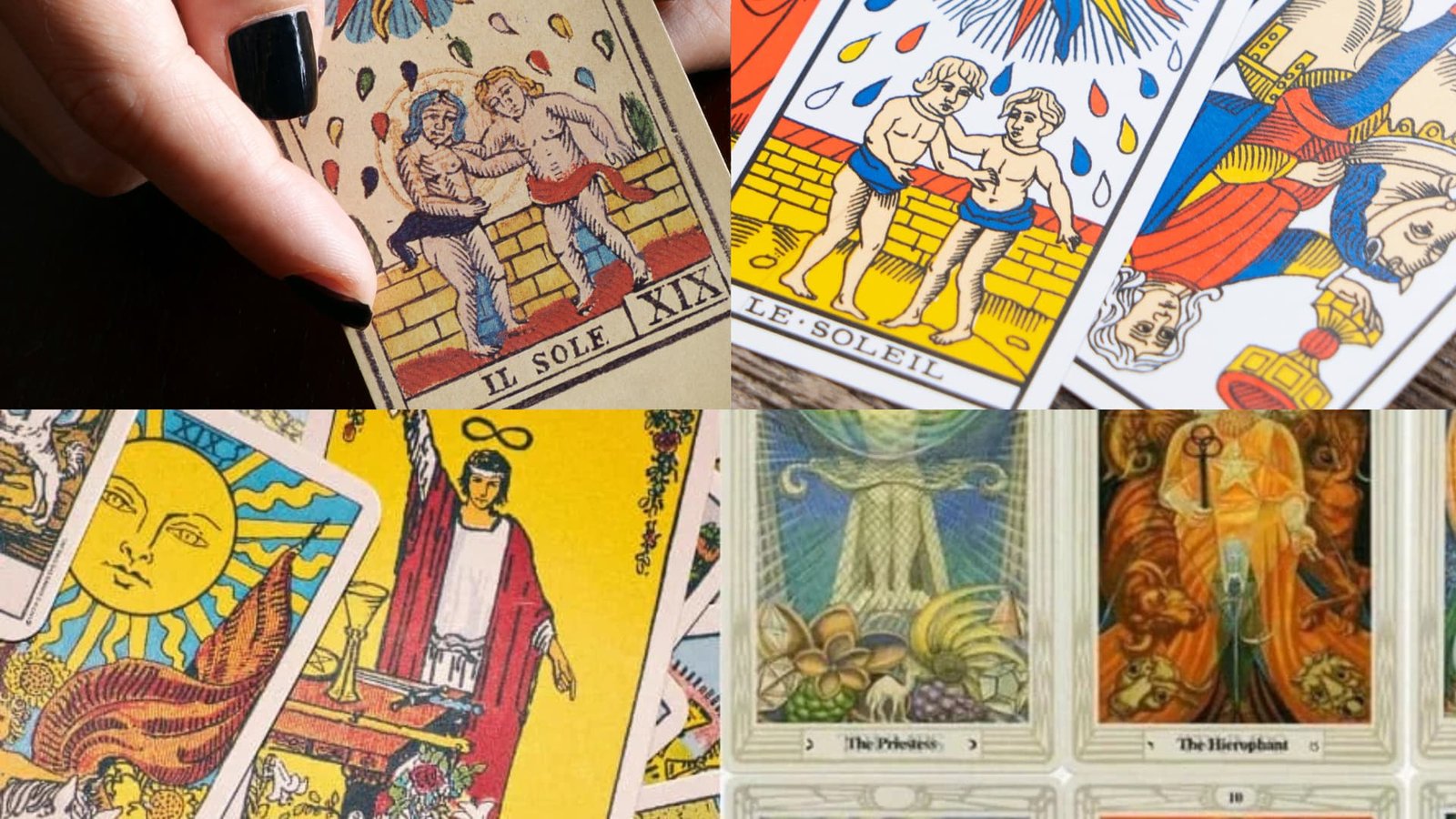
Tarot originated in 15th-century Europe as a playing card deck, evolving over time into a tool for divination and spiritual insight. Early decks, such as the Tarot of Marseille, combined artistic expression with allegorical storytelling. Studying the origins helps readers understand tarot’s structure, archetypes, and symbolic framework.
Historical Figures & Movements
Key figures and movements have shaped tarot’s evolution, including:
A.E. Waite and the Rider-Waite-Smith deck
Aleister Crowley and the Thoth Tarot
Occult movements of the 18th and 19th centuries that popularized tarot for divination
Spiritual and esoteric societies that influenced tarot interpretation and symbolism
Learning about historical figures and movements provides insight into how tarot developed into the tool we use today.
Symbolism in Tarot
Symbolism is at the heart of tarot. Each card contains archetypal imagery reflecting human experiences, spiritual lessons, and universal themes. Guides in this category explore:
Major Arcana symbolism and life lessons
Minor Arcana and suit-specific meanings
Colors, numbers, and elemental correspondences
Iconography influenced by cultural, religious, and mythological sources
Understanding symbolism enriches readings and strengthens intuitive interpretation.
Controversies & Misconceptions
Tarot has faced misunderstanding and controversy throughout history. Misconceptions include associations with witchcraft, fortune-telling fraud, and occult taboos. This subcategory clarifies myths versus facts, helping readers approach tarot with historical accuracy, cultural respect, and informed understanding.
Cultures, Traditions & Lineages
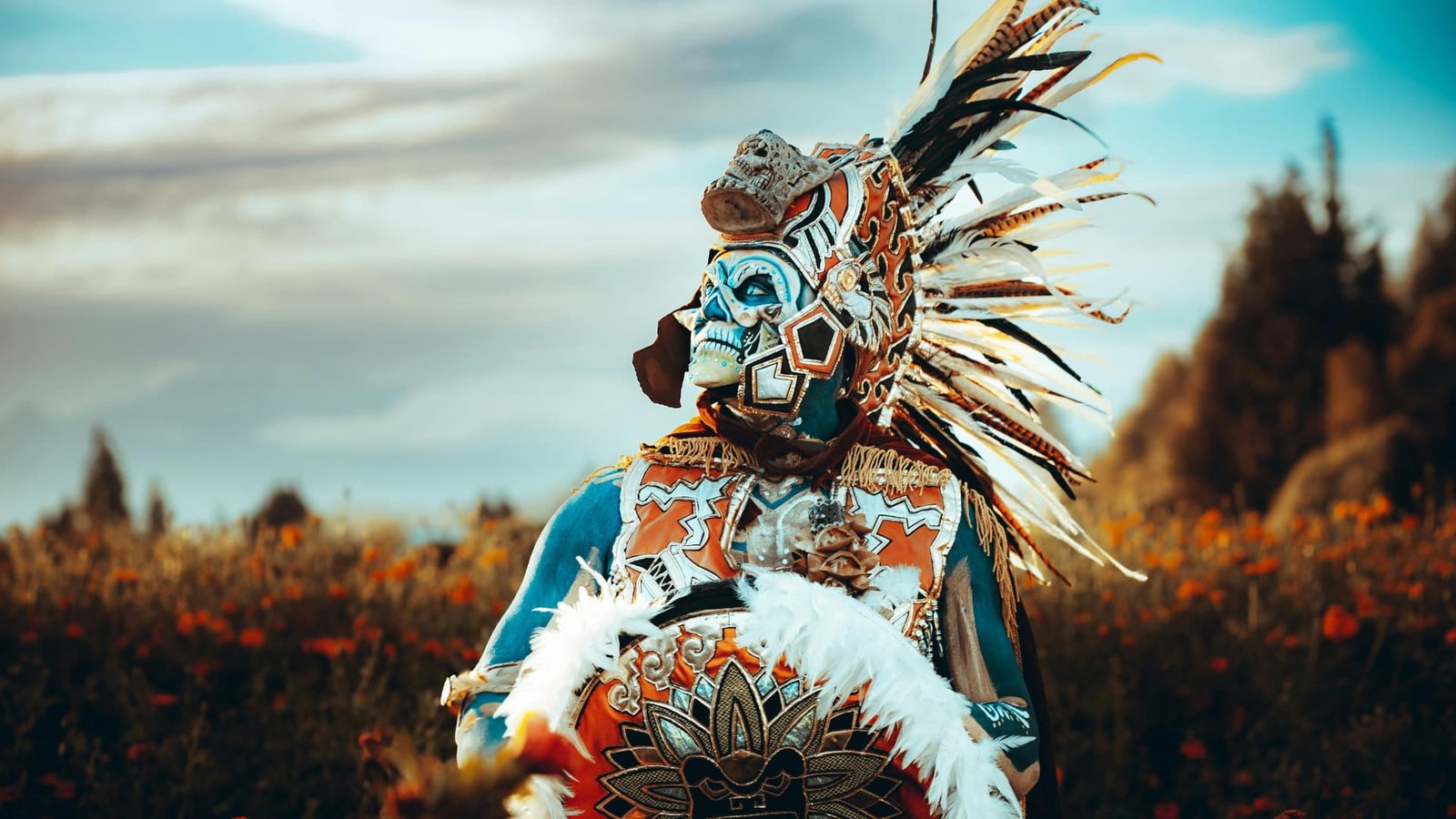
Tarot has evolved differently across cultures, influenced by artistic, religious, and spiritual traditions. This section explores:
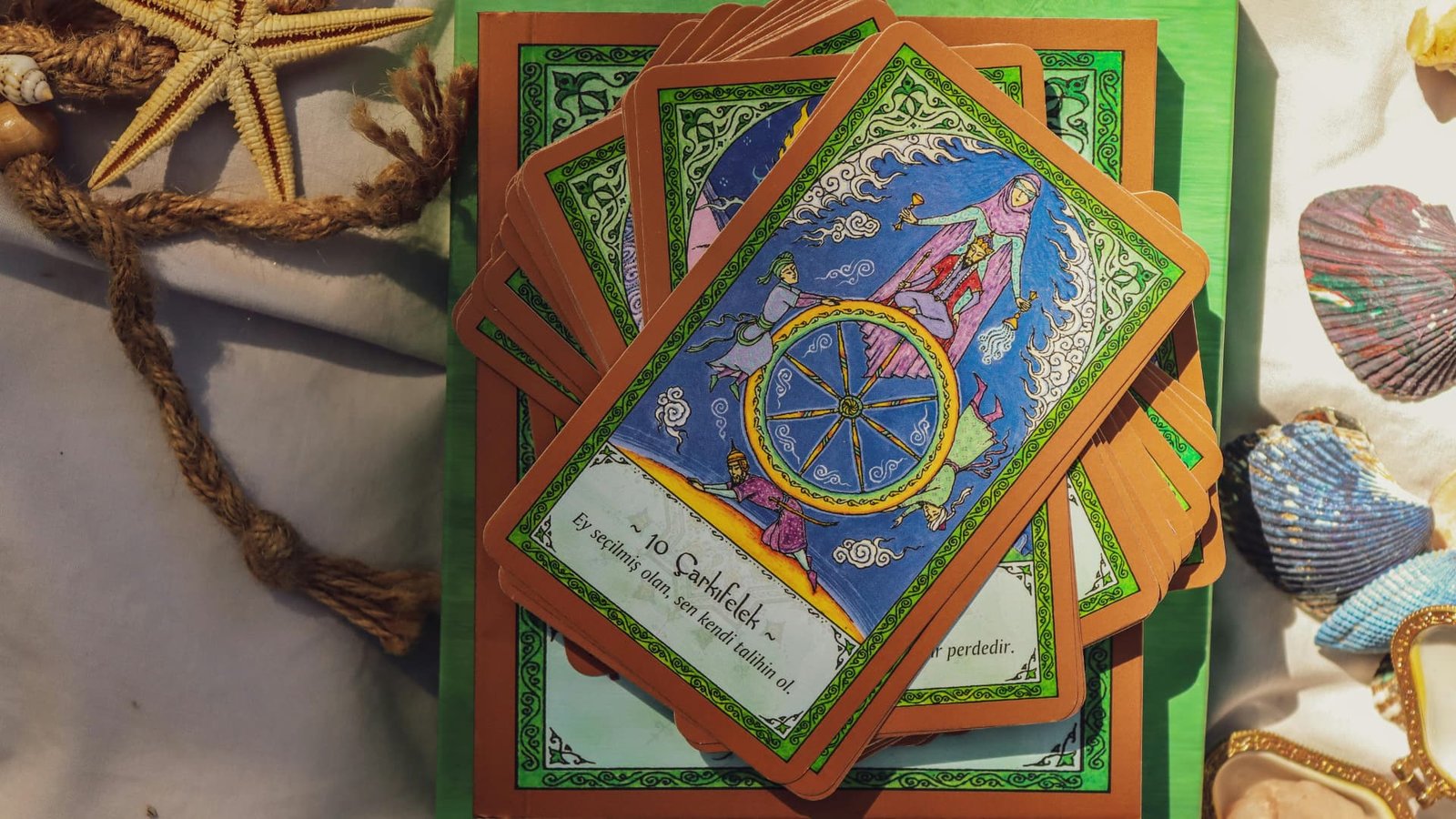
Variations in tarot decks and symbolism by culture
Historical lineages of tarot practitioners and schools of thought
Rituals, spreads, and cultural practices surrounding tarot readings
By studying traditions and lineages, readers gain insight into how tarot continues to adapt and thrive worldwide.
Mythology in Tarot
Many tarot cards draw from mythological stories and archetypes, including Greek, Roman, Celtic, Egyptian, and other mythologies. This subcategory examines how myths inform card meanings, archetypes, and symbolic storytelling, enriching readings and providing historical and cultural context.
Why Tarot History & Culture Matters
Studying tarot history and culture:
Provides context for card meanings and interpretations
Strengthens connection with tarot as a spiritual and artistic tool
Encourages appreciation of the cultural diversity and historical depth of tarot
Helps readers navigate controversies and misconceptions with knowledge and respect
By understanding tarot’s history, symbolism, and cultural roots, readers gain not only technical skill but also deeper spiritual and intellectual connection with their decks.